T. Dodger
EA complete visual identity for a music release, from logo and website to a music video and over fifty photos, built to grow an audience that never got the chance to see it used right.
A full album visual package whose timing never landed
- Categories
- Brand & Identity, Graphics & Advertising, Web & Product, Film & Video, Motion & Animation, Photography
- Role
- Creative Director, Video Editor, Motion Designer, Videographer, Photographer
- Software
- Adobe Photoshop, Adobe Lightroom, Adobe After Effects, Adobe Premiere Pro, Adobe Illustrator
- Language
- Framework
- Script
- Hardware
- Canon Rebel t6i, Canon EF 50mm f/1.8 II
- Service
/Live References
The story
/2 Videos
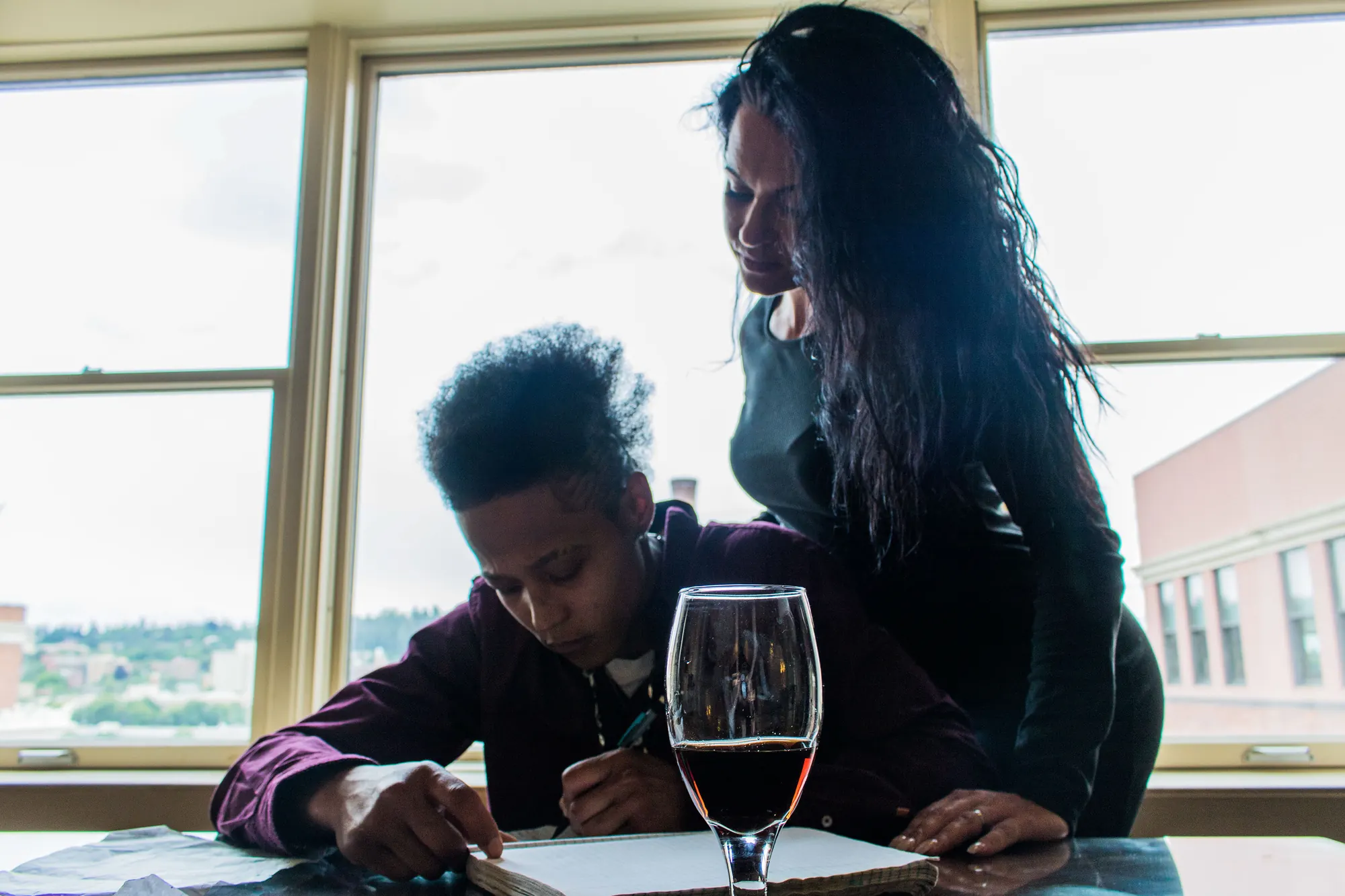
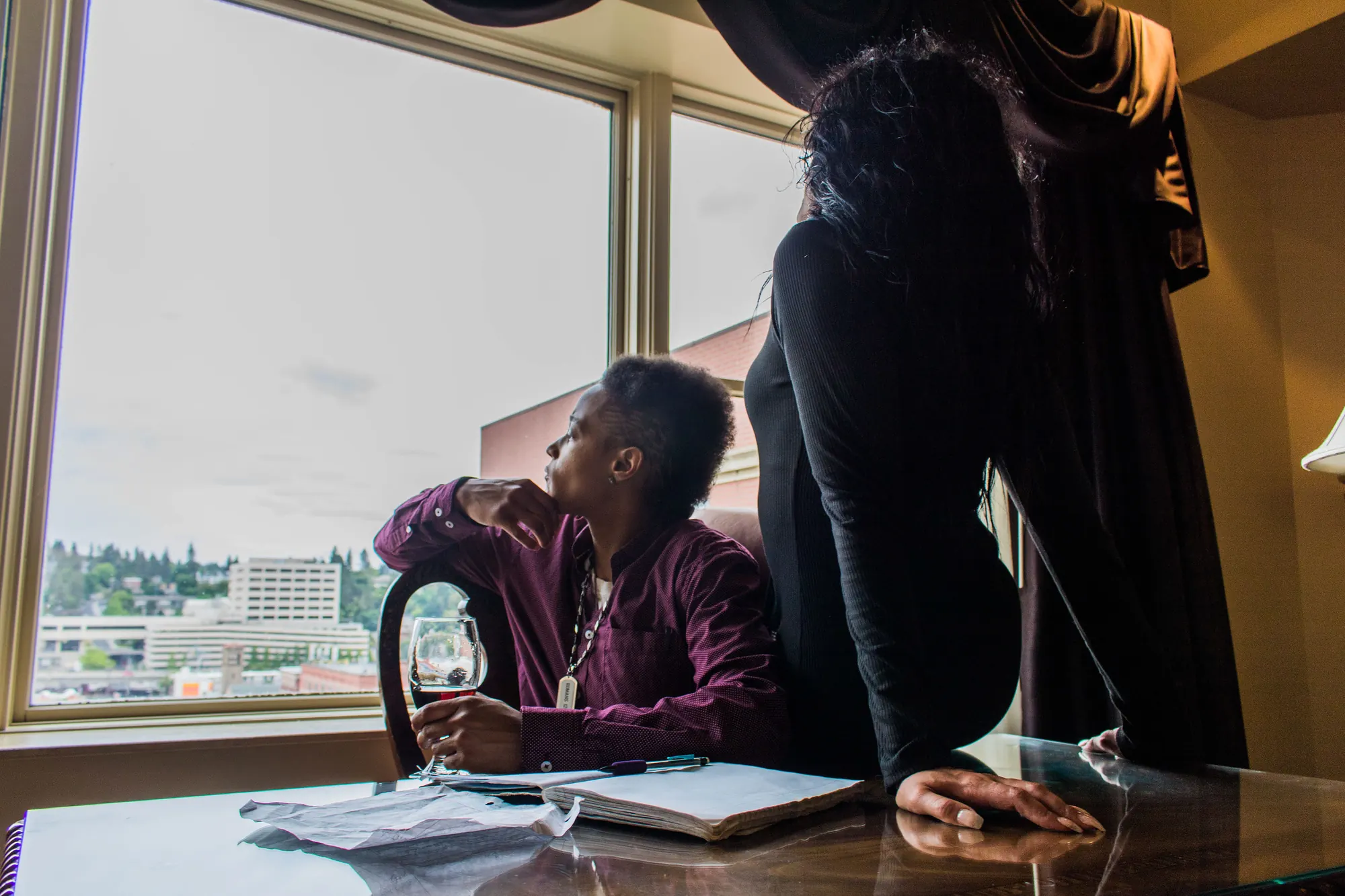
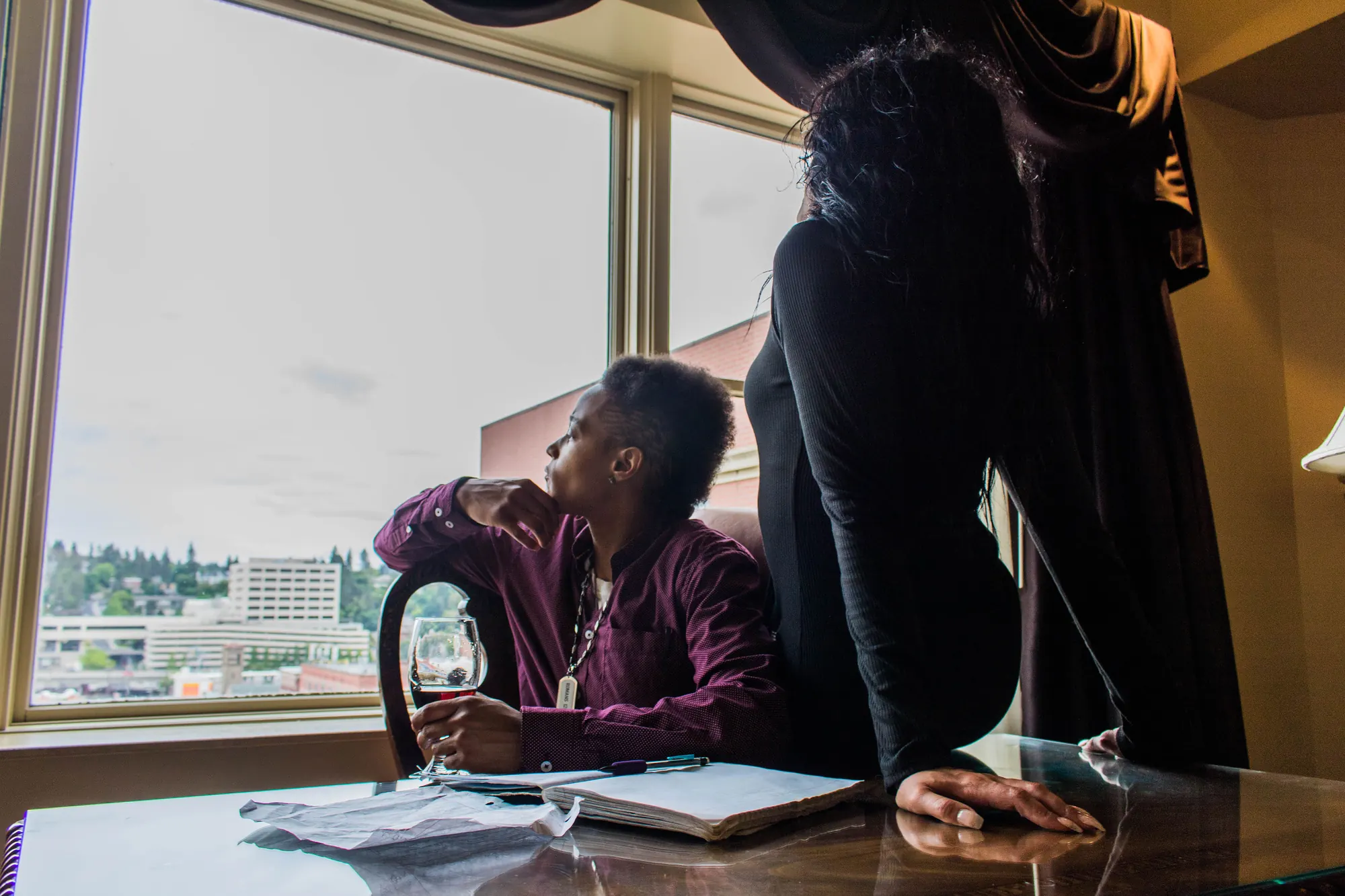
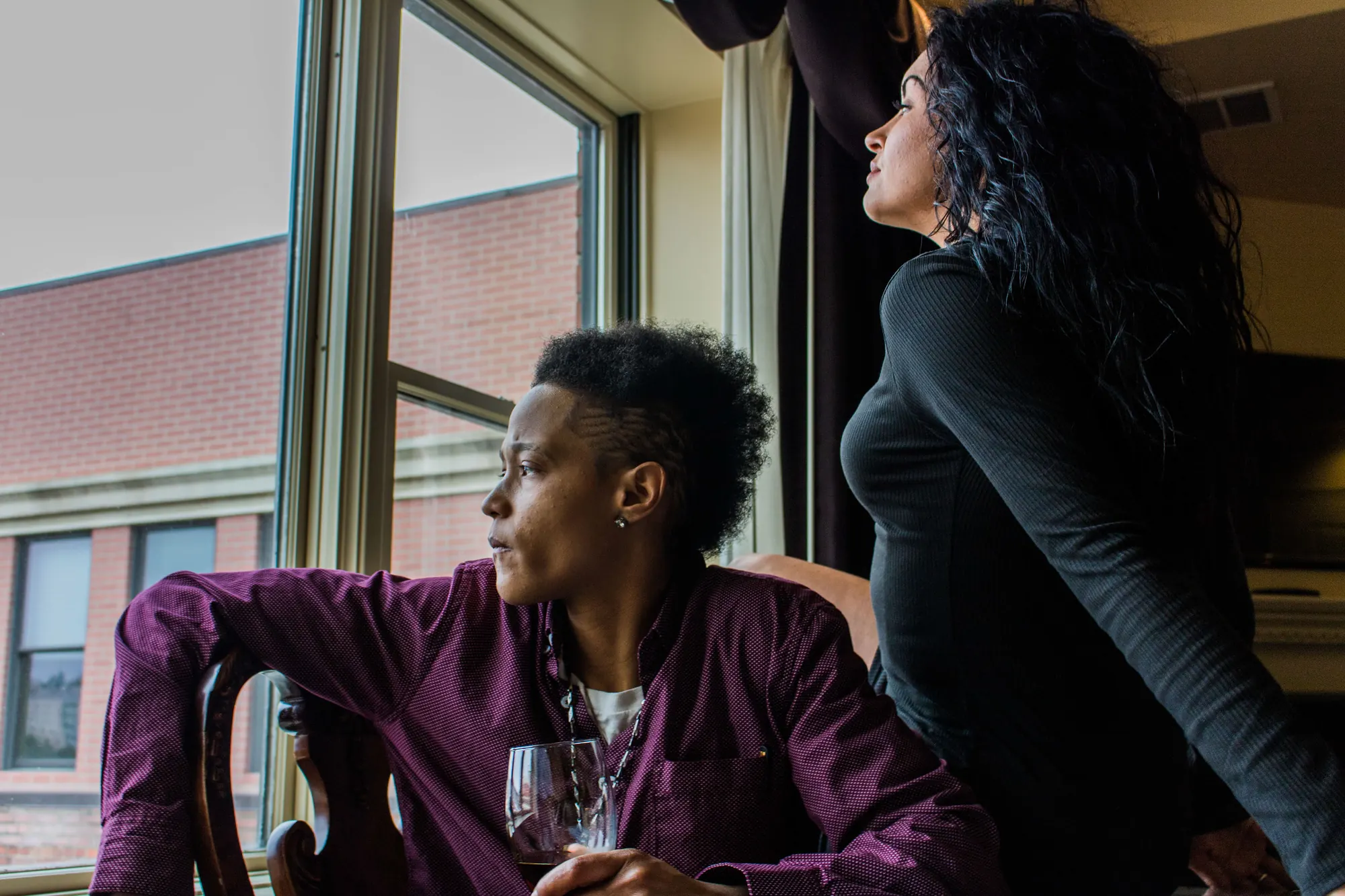
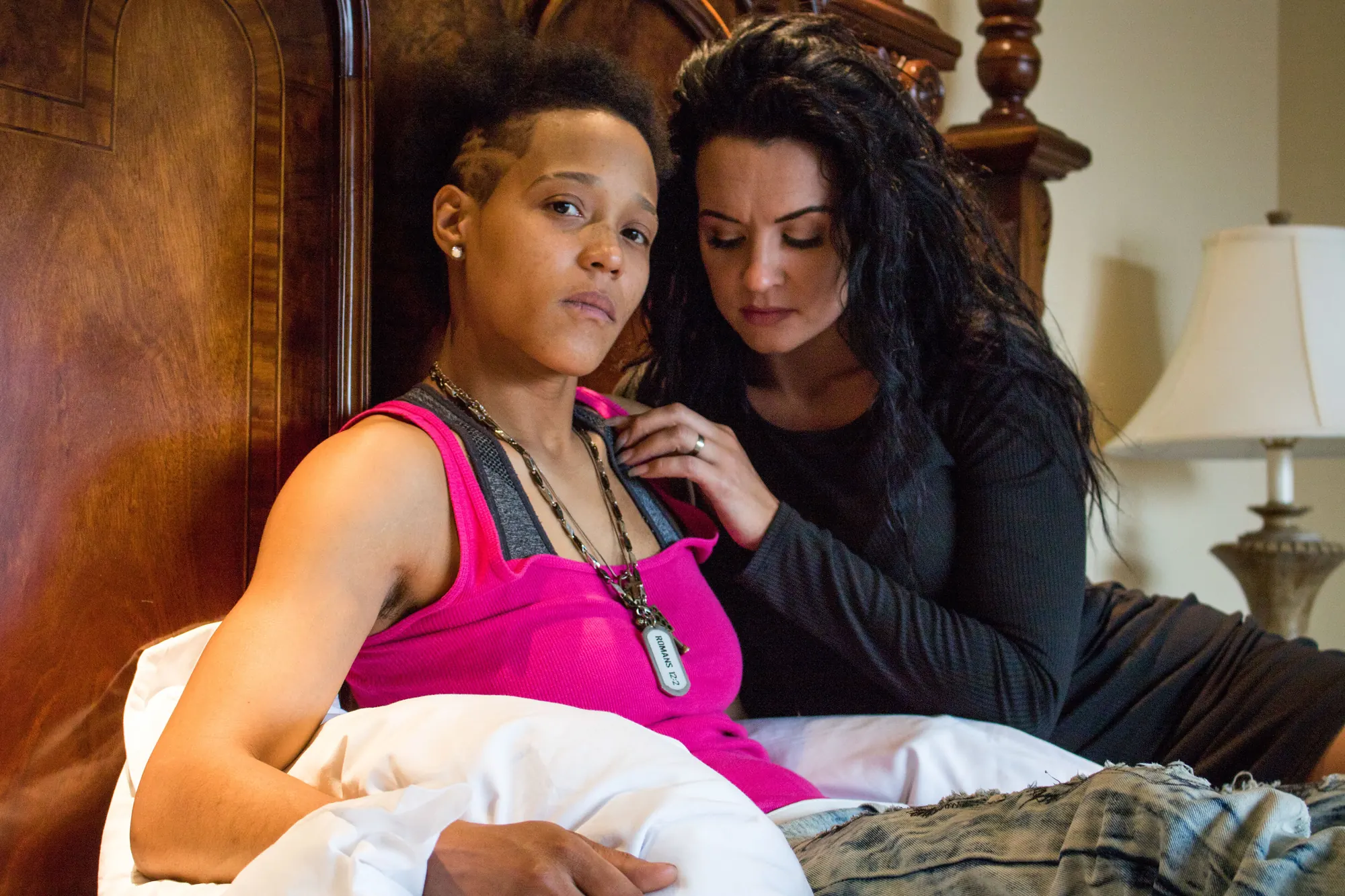
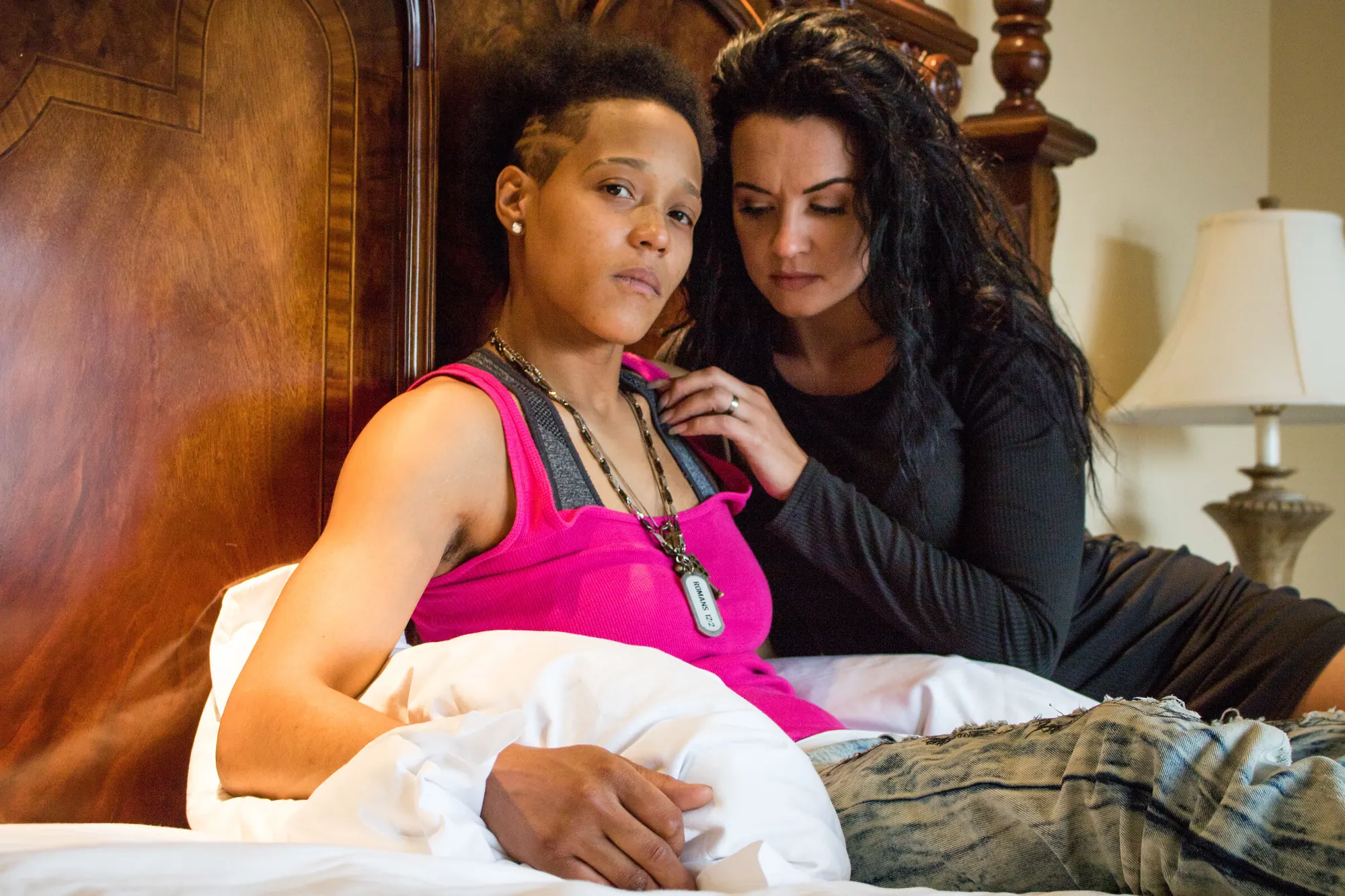
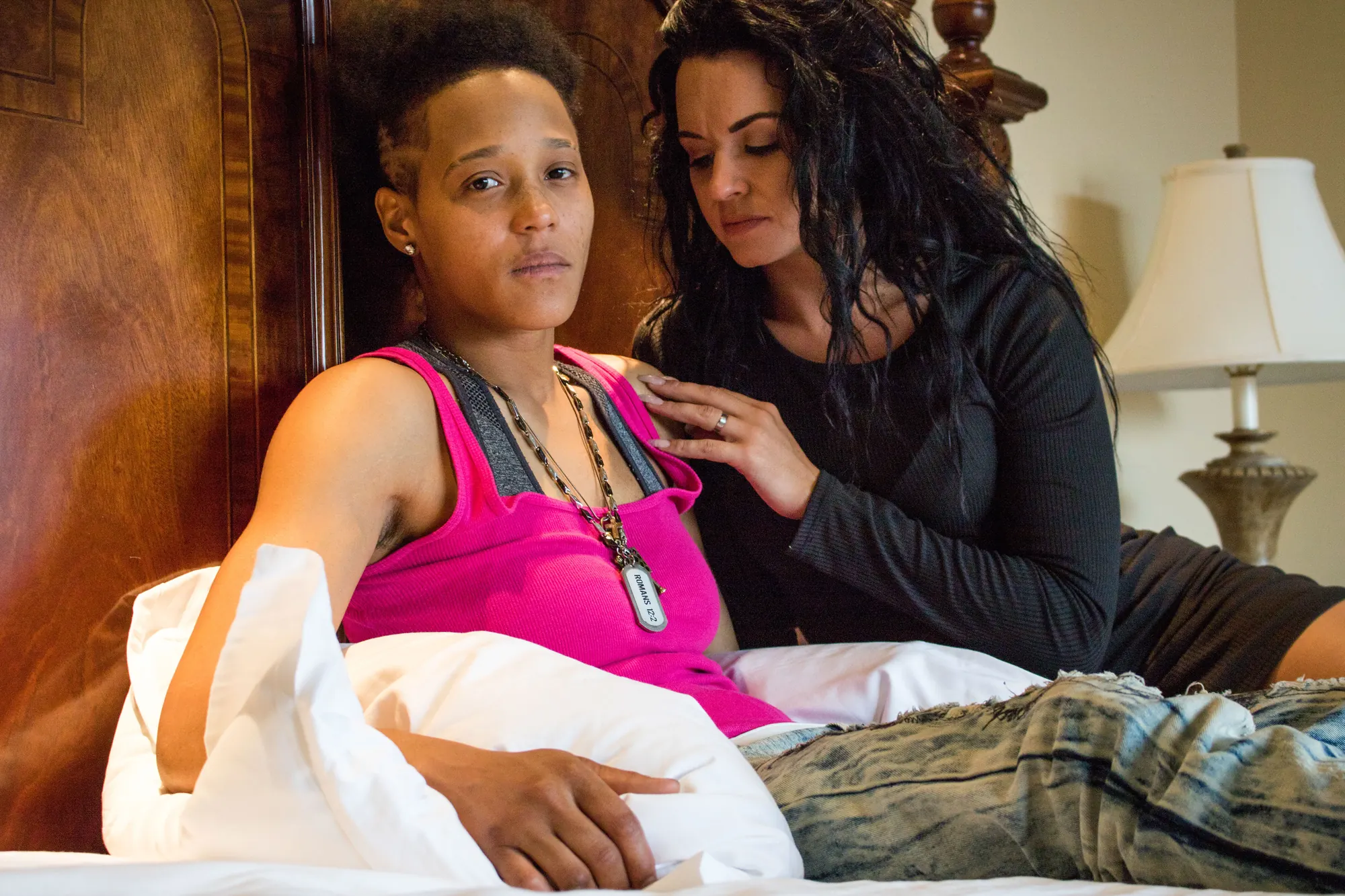
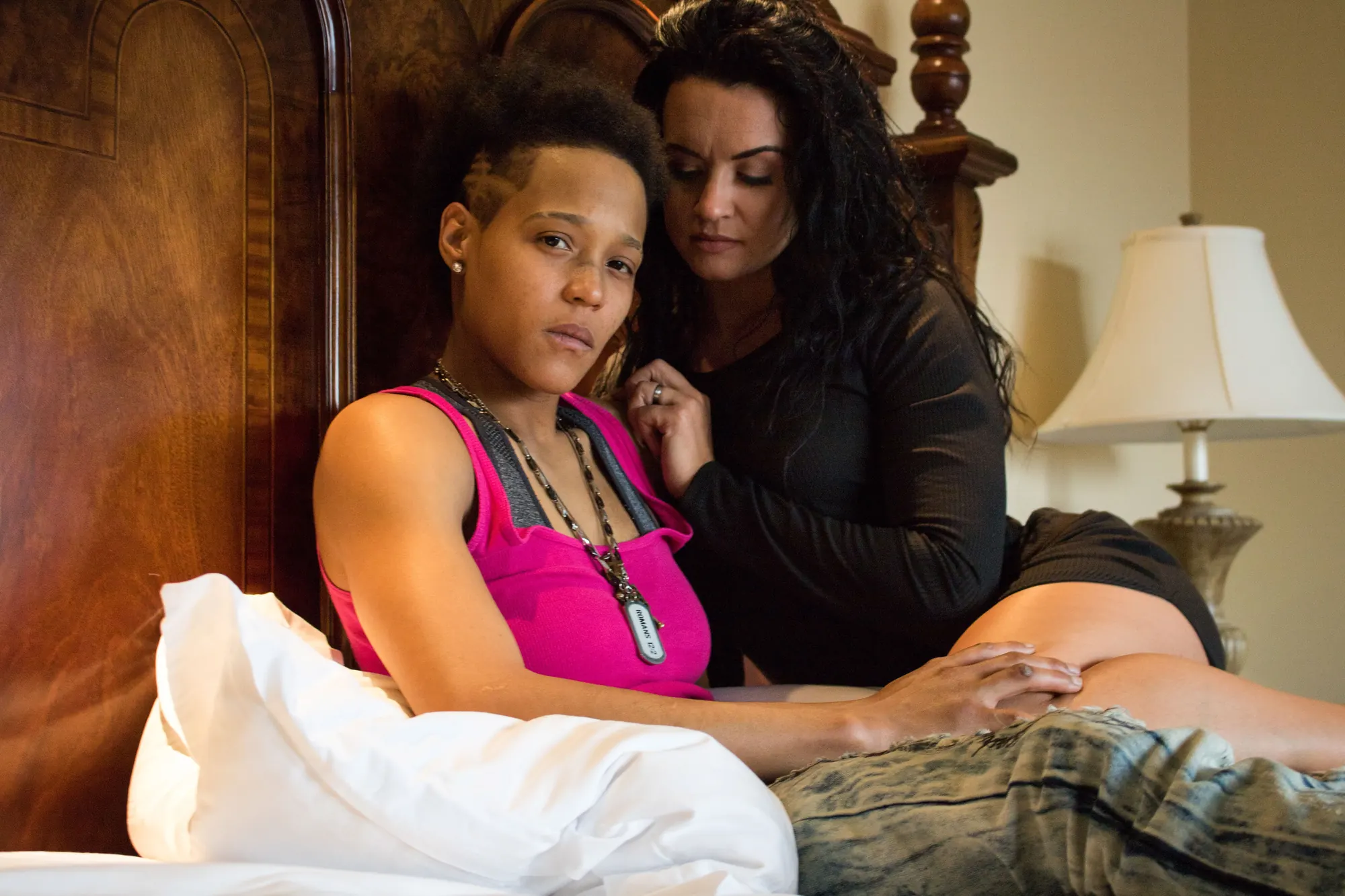
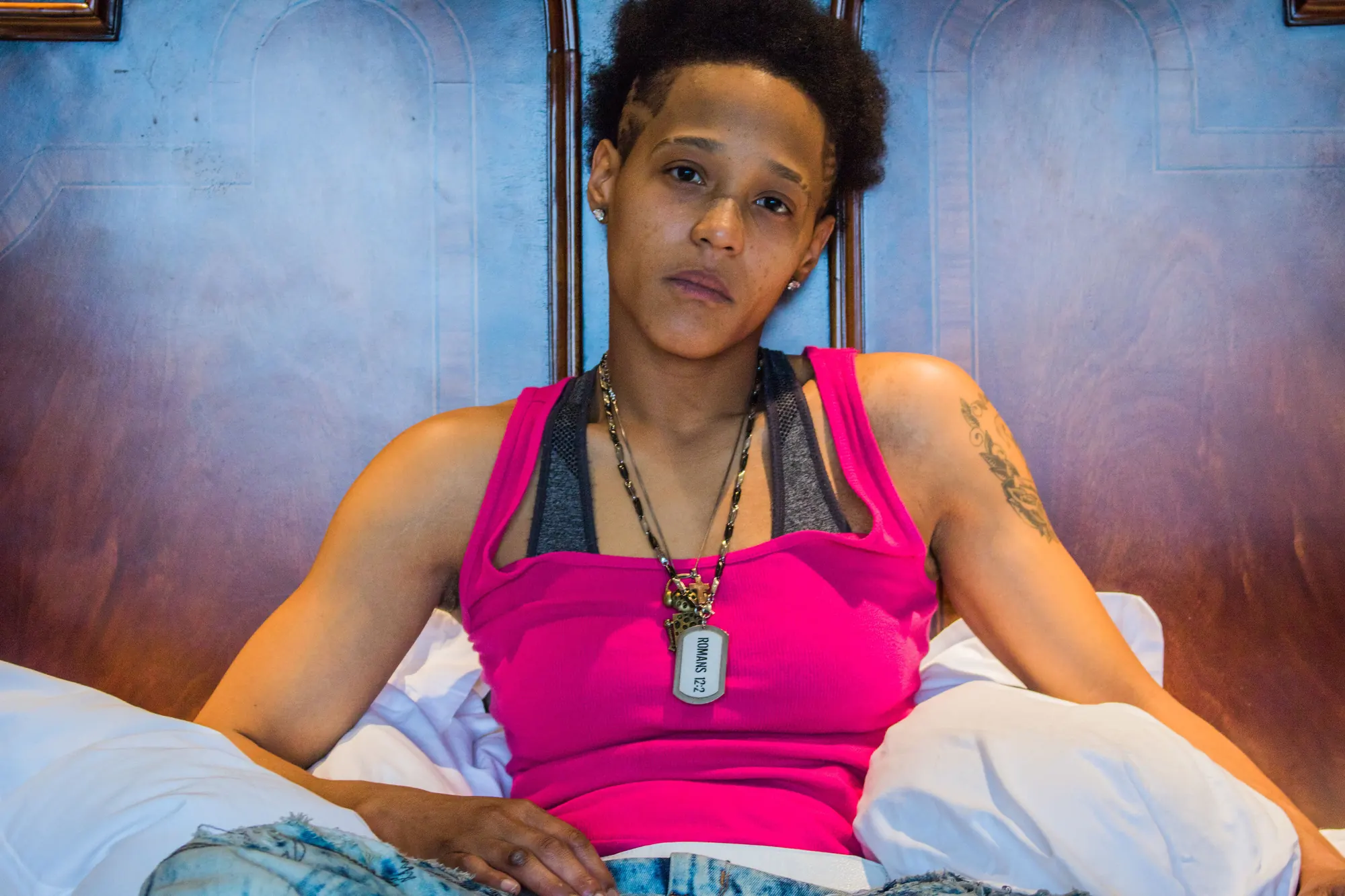
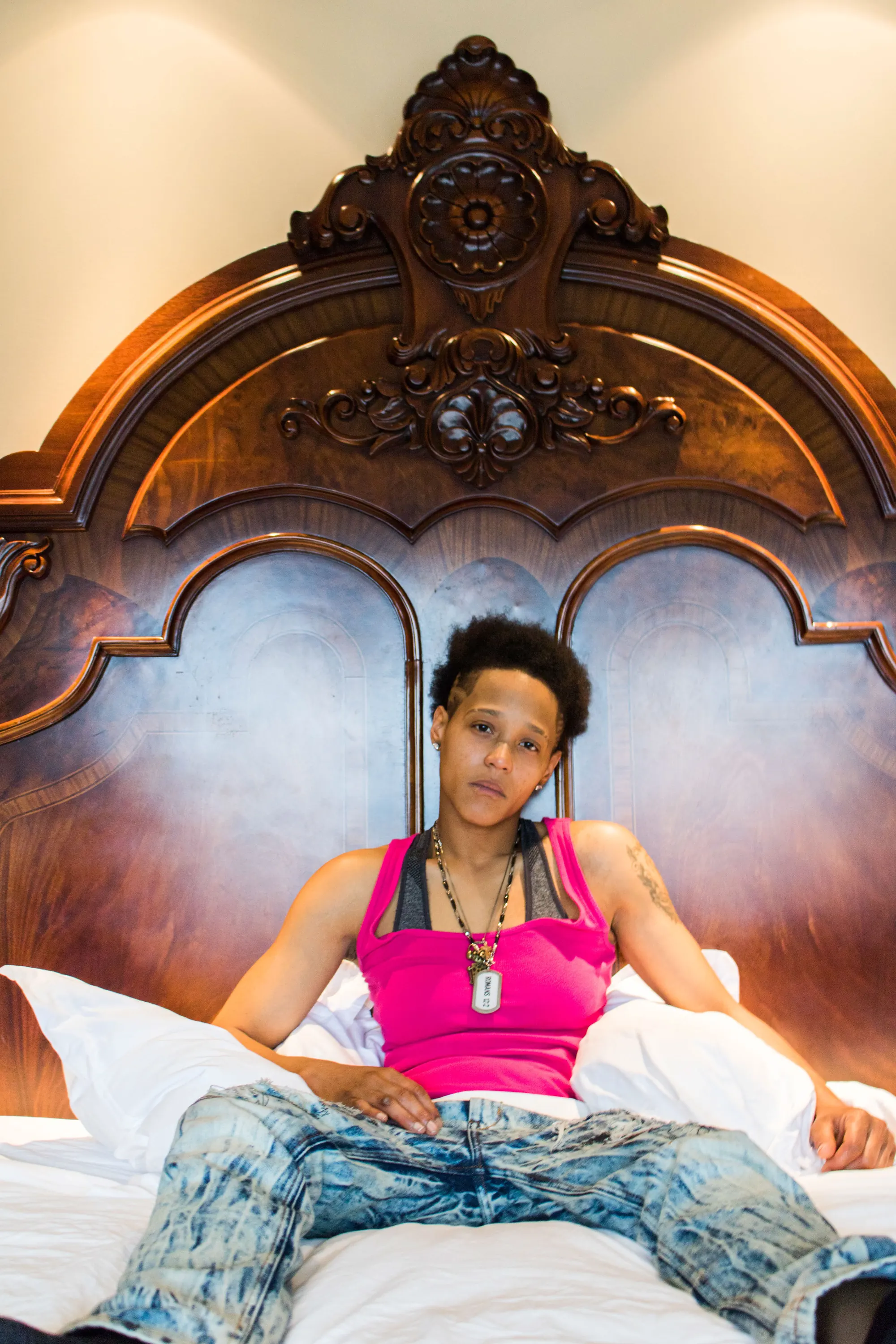
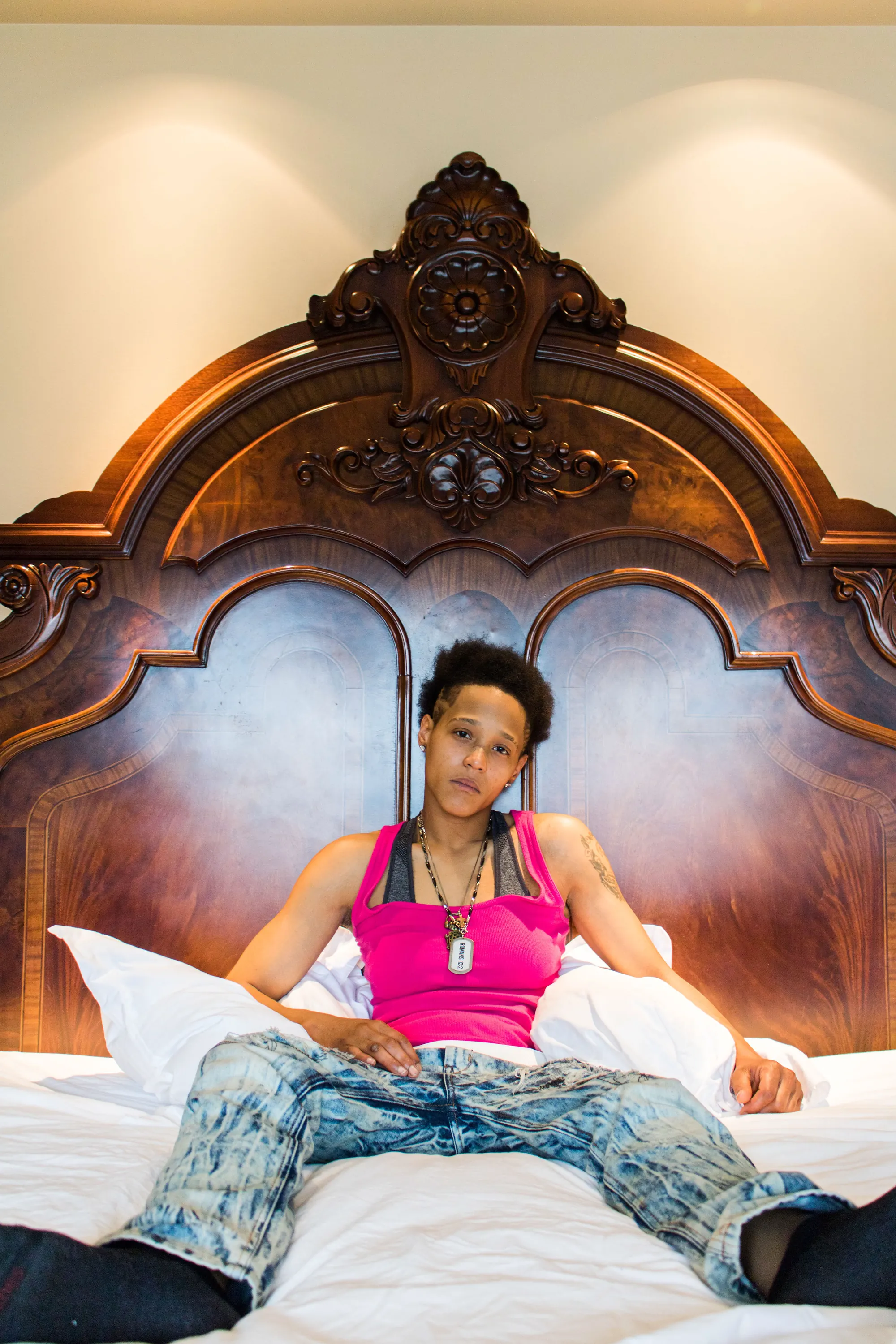
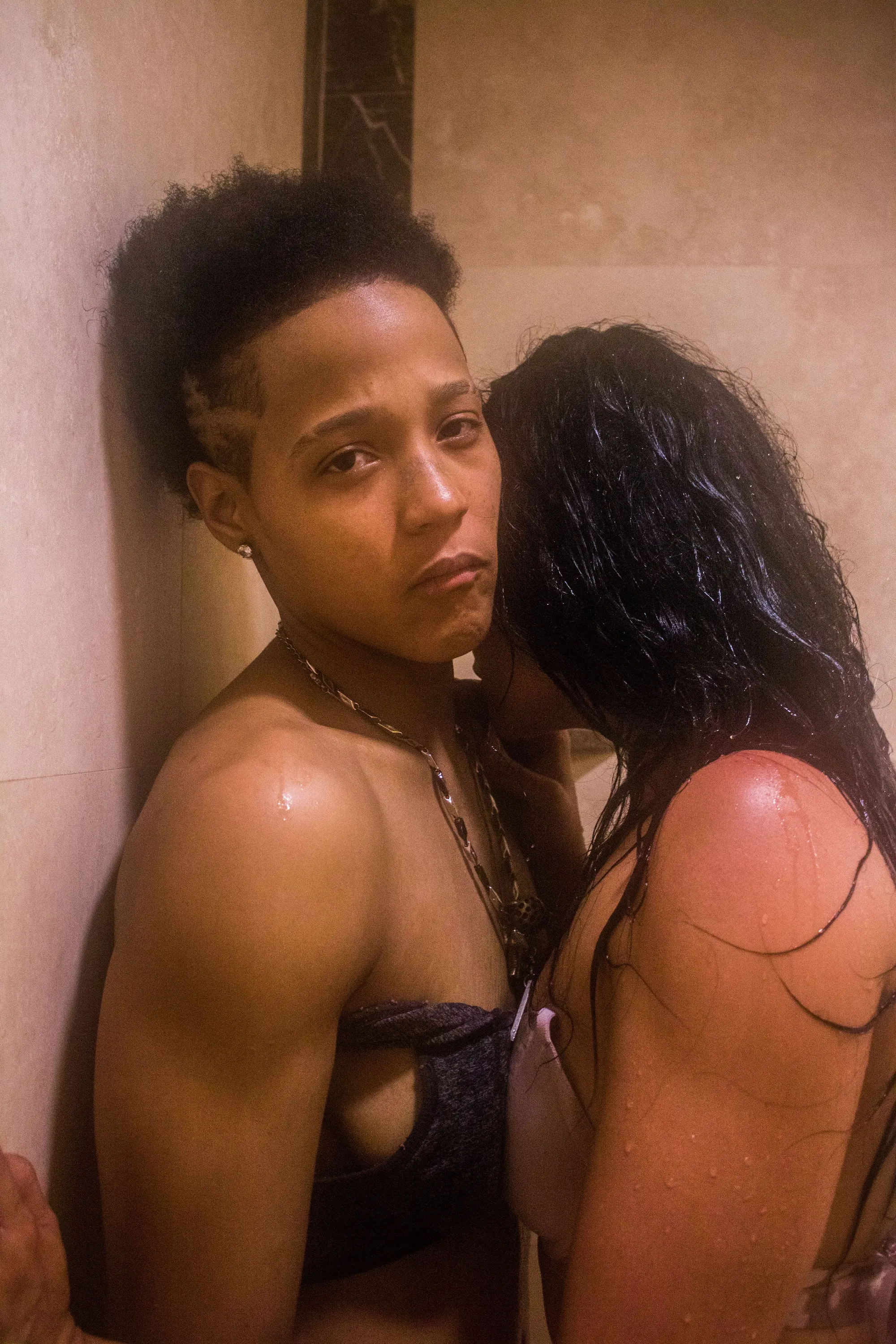
The music was ready. The models were booked, the locations were scouted, and over the course of several weekends in 2019 I built T. Dodger a full release package: a logo, a website, social media branding, a promo video, a music video, and more than fifty photos across multiple shoots. The client loved everything she received. The problem was not the work. It was that almost none of it went out the way it was designed to, and the window for it to matter closed quietly while the files sat unused.
The Situation
T. Dodger was an independent artist preparing to release a music project and wanted to do it properly. Not just a post and a prayer, but a real visual world built around the music: a defined look, a story told across photos and video, and a release strategy that could reach new listeners while rewarding the ones already paying attention. The concept centred on a relationship in which she held the priority, and the visuals needed to carry that idea consistently across every format.
What Was in the Way
The core problem was not creative. It was that T. Dodger was still early in understanding what running a music career as a business actually meant, and that gap showed up in every practical decision downstream of the shoot.
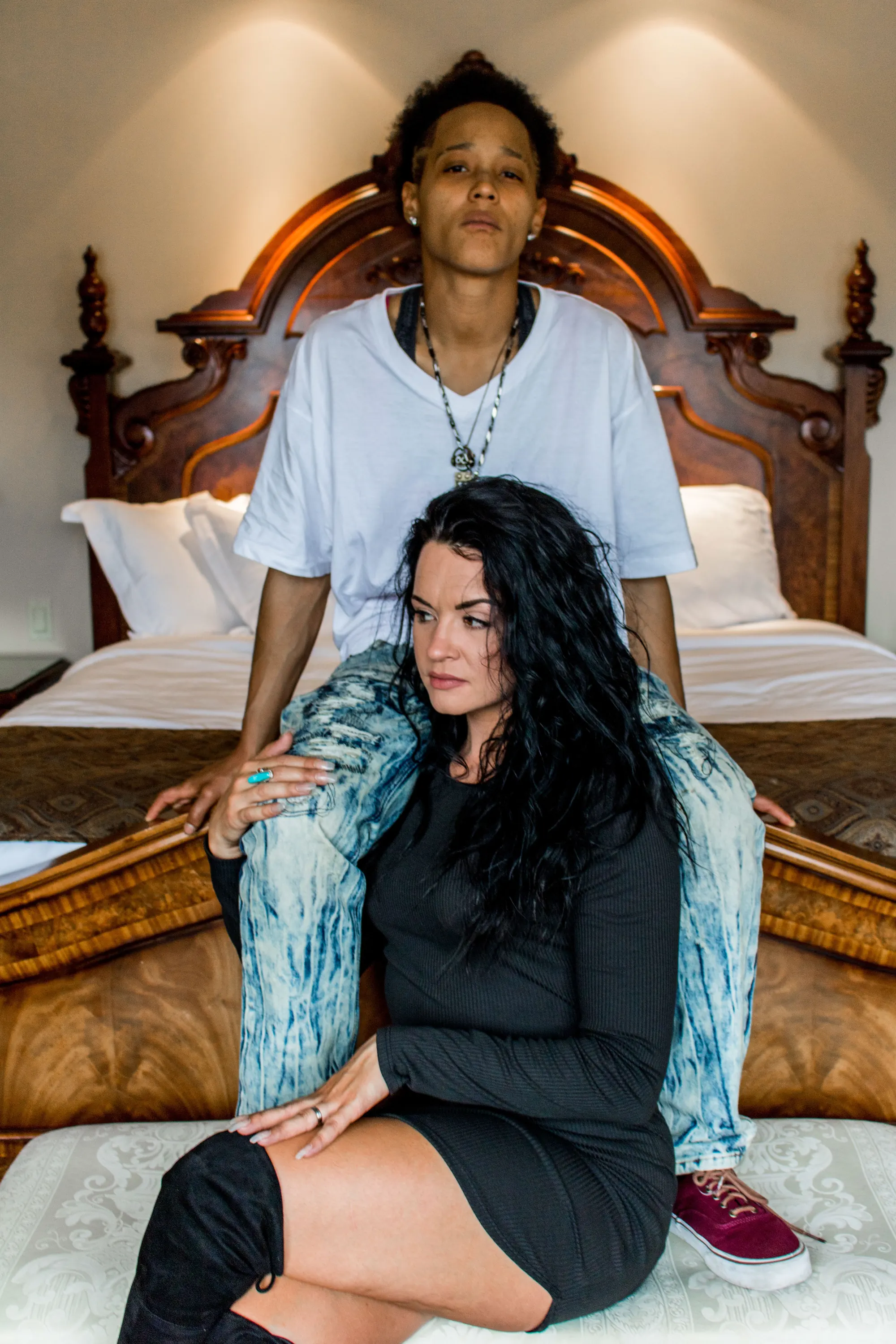
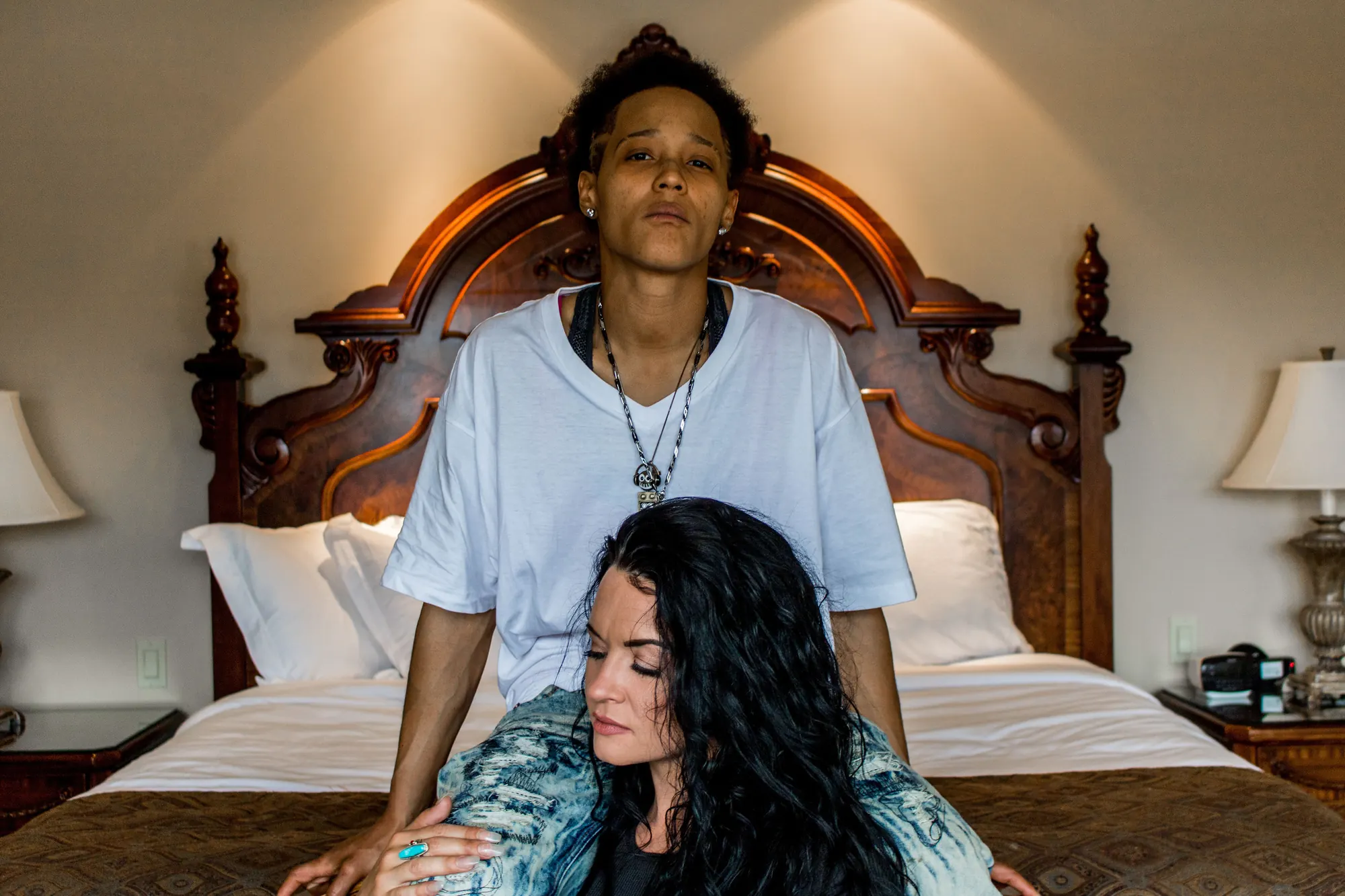
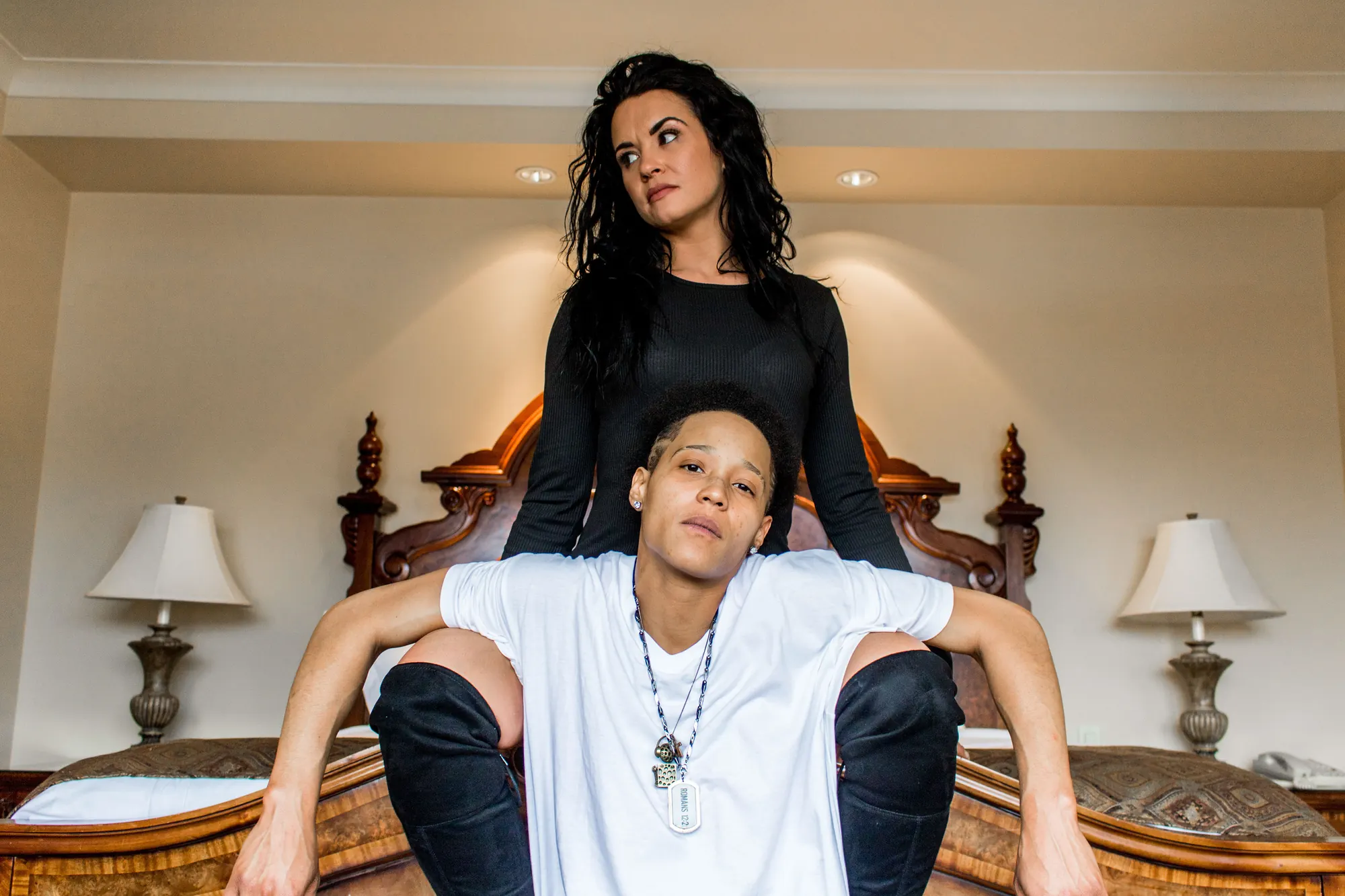
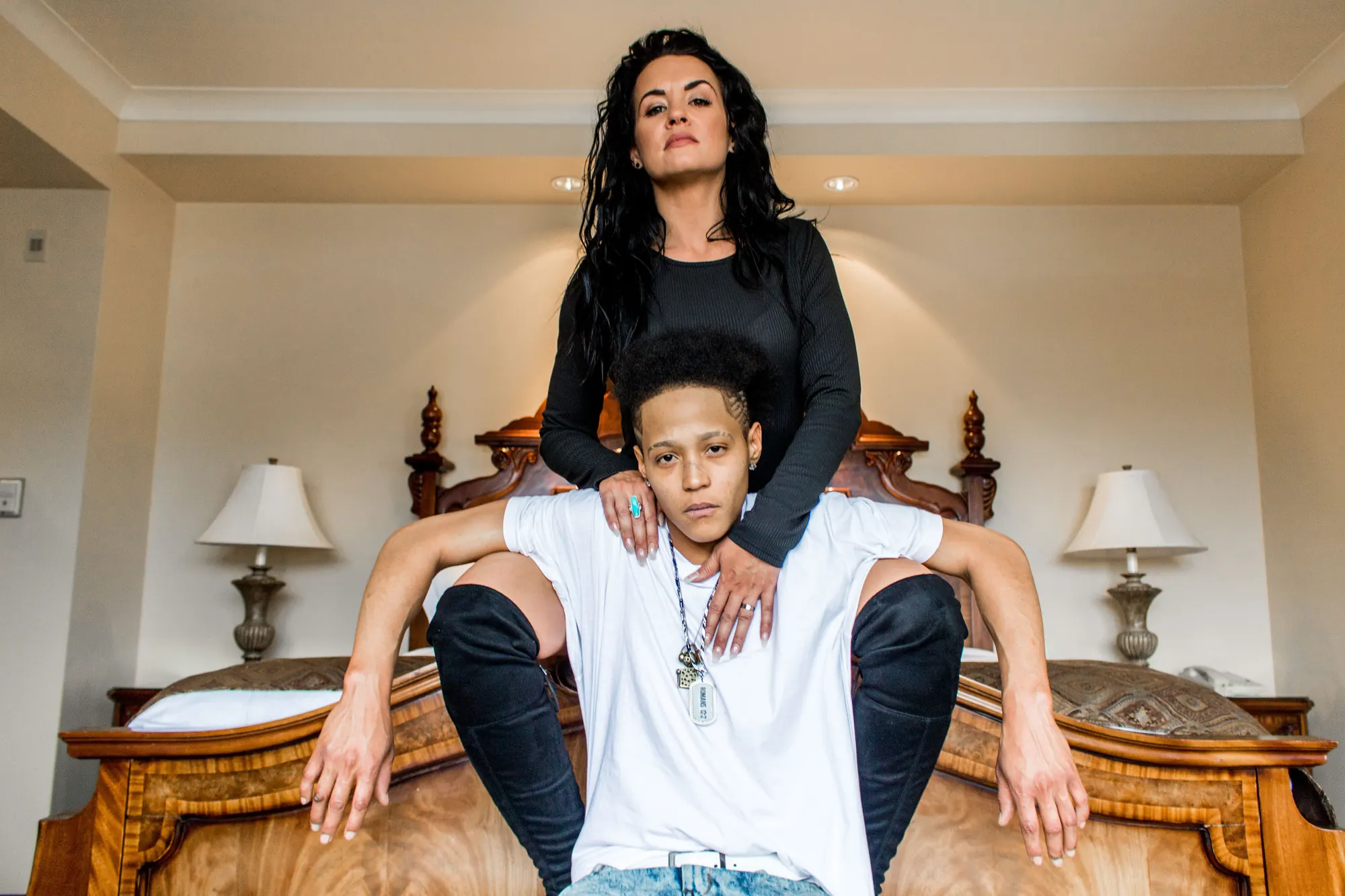
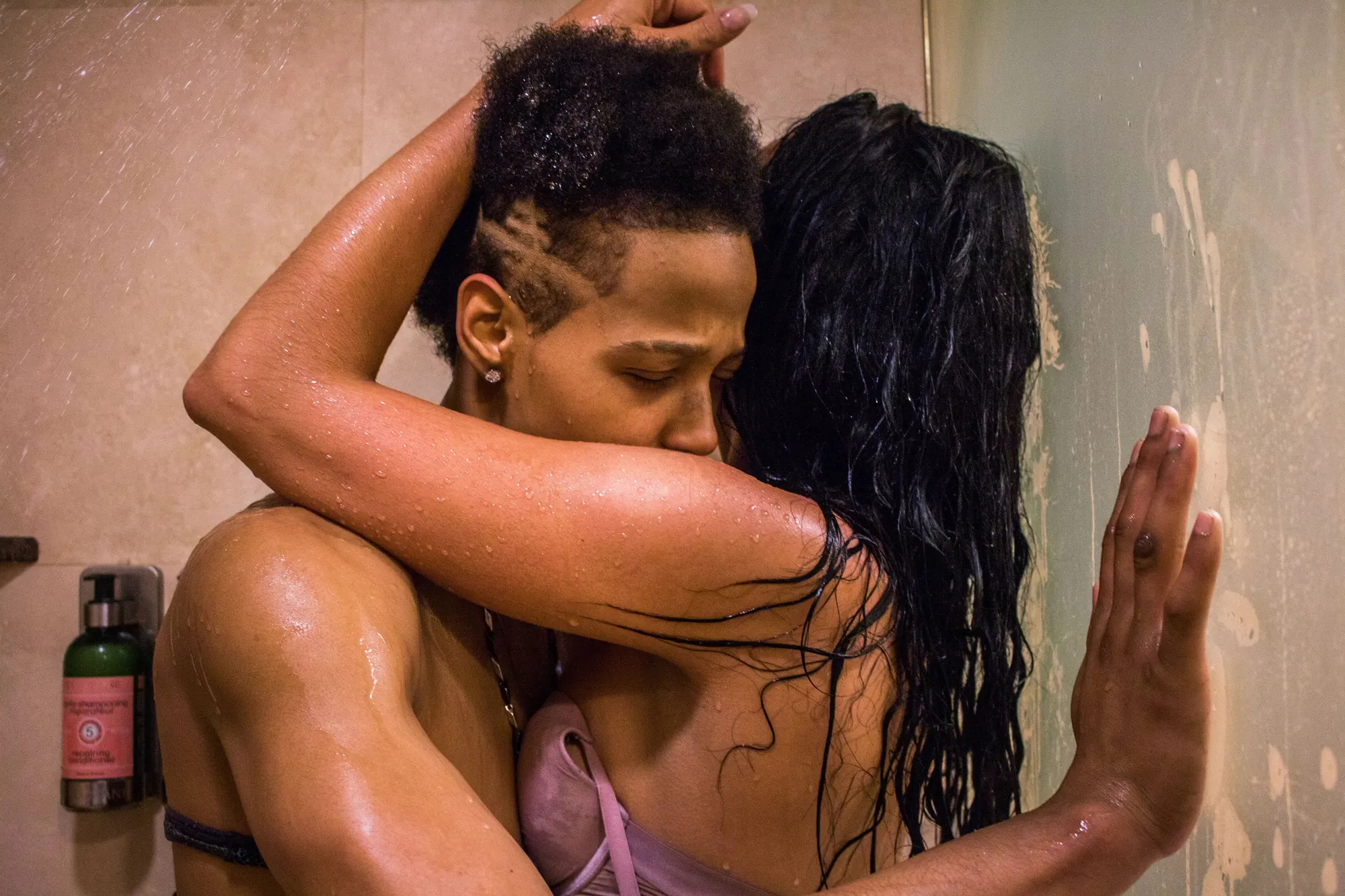
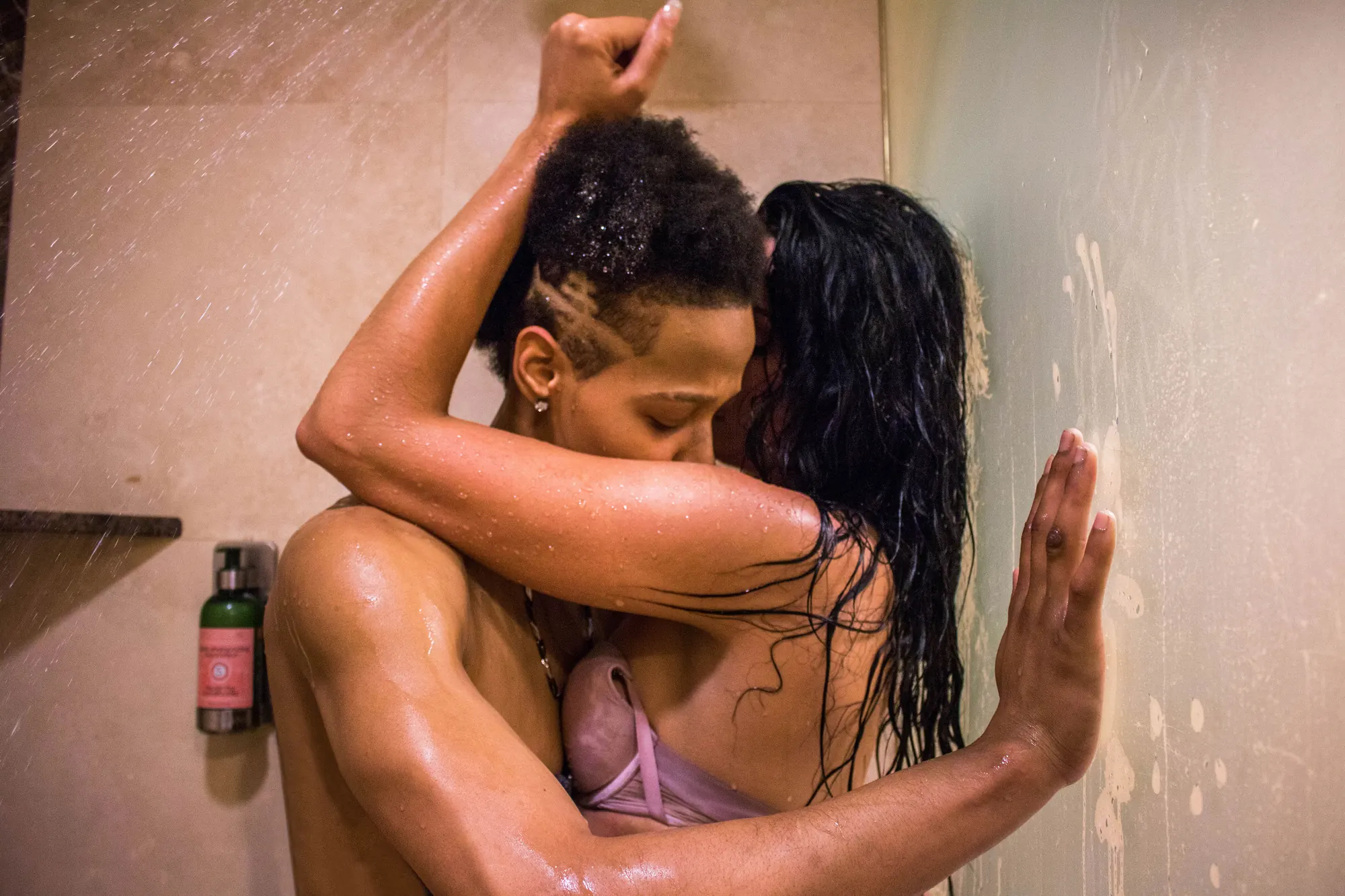
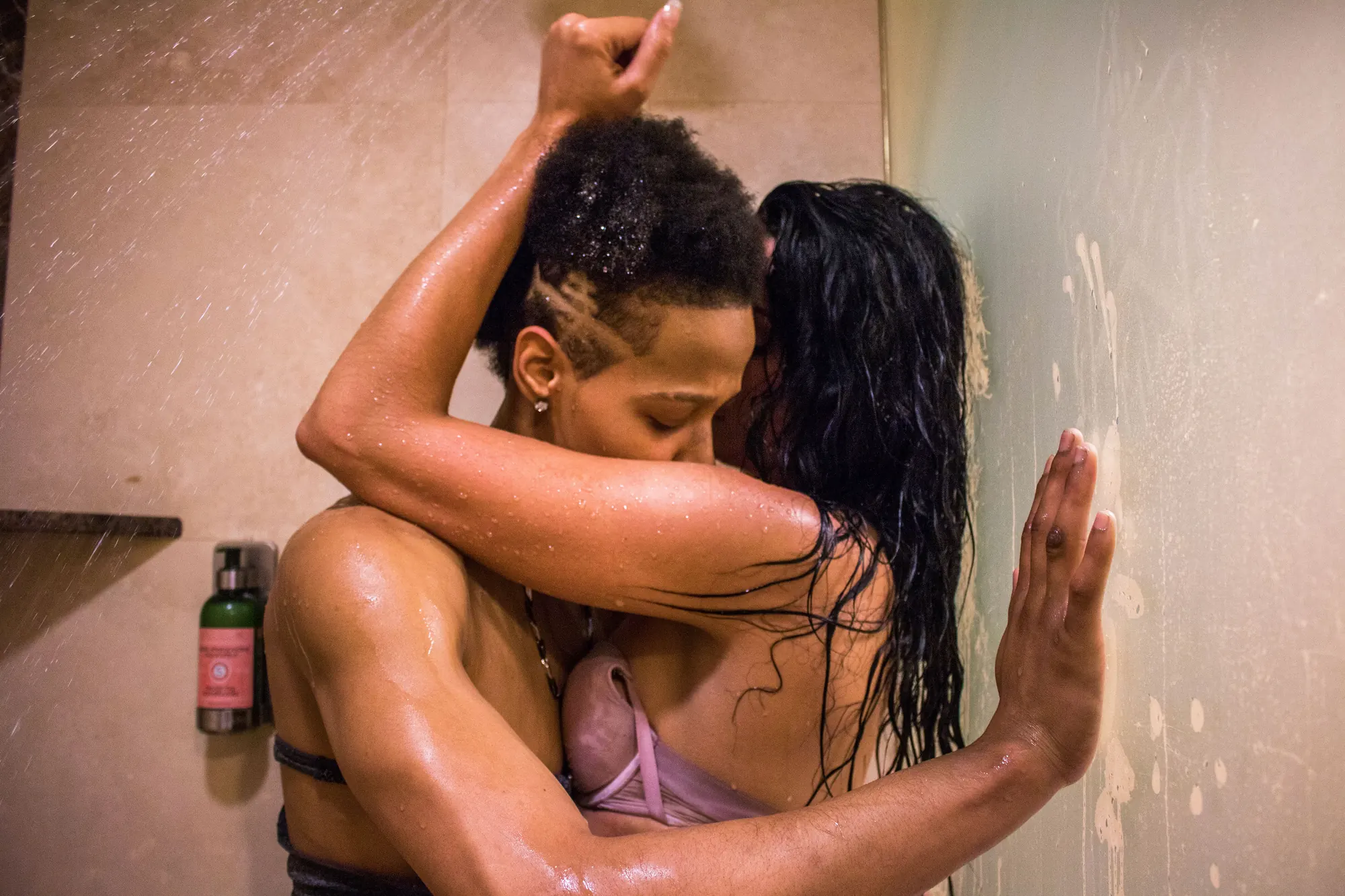
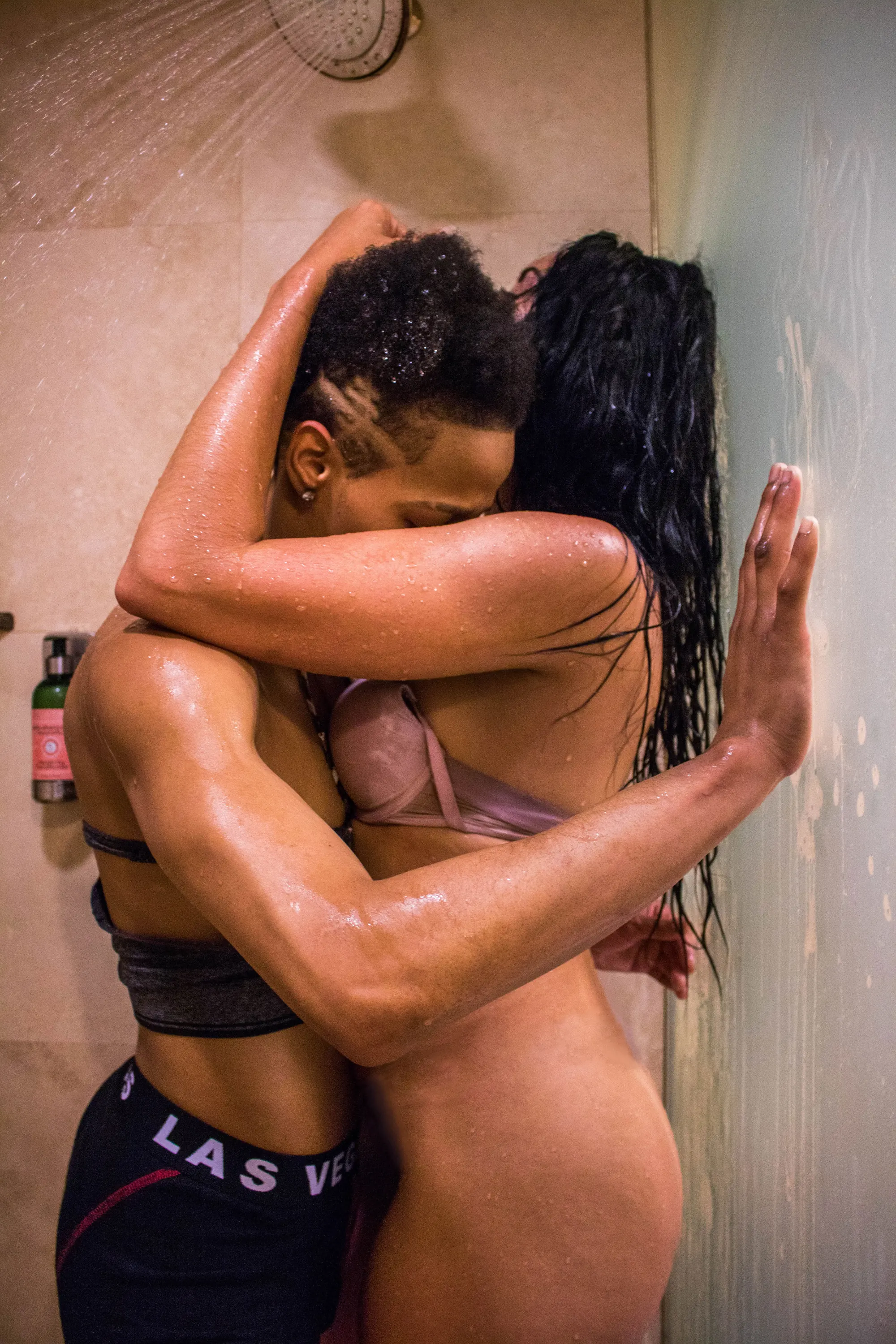
On the production side, the biggest issue was scheduling. Because of time pressure and the cost of coordinating everyone at once, the two models used across the project were shot separately rather than together. That mattered because the music video and the photo series ended up feeling like they belonged to slightly different projects. I raised this more than once. A single joint shoot would have solved it and made the story read as one thing. But with the calendar and the budget both strained, we improvised, and the lack of cohesion between the stills and the video is what I notice first when I look back at the work.
The deeper problem was what happened after delivery. The assets were built with a release timeline in mind: specific content for specific moments, sequenced to build momentum and pull in listeners at the point when the music was new and the algorithm would reward it. That strategy depends entirely on the client understanding why the timing exists and following through on it. T. Dodger did not have that framework yet. I tried to explain it directly, walking through what each asset was for and when it should go out. It did not translate into action. Most of the content was either posted without context, held back too long, or used later as general filler rather than as coordinated release material. The value was in the sequencing, and the sequencing never happened.
This is a known pattern. Most creatives I have spoken to do not bother educating clients on asset deployment because clients tend to do what they want regardless. I tried anyway, and it landed the way it usually does.
What I Did
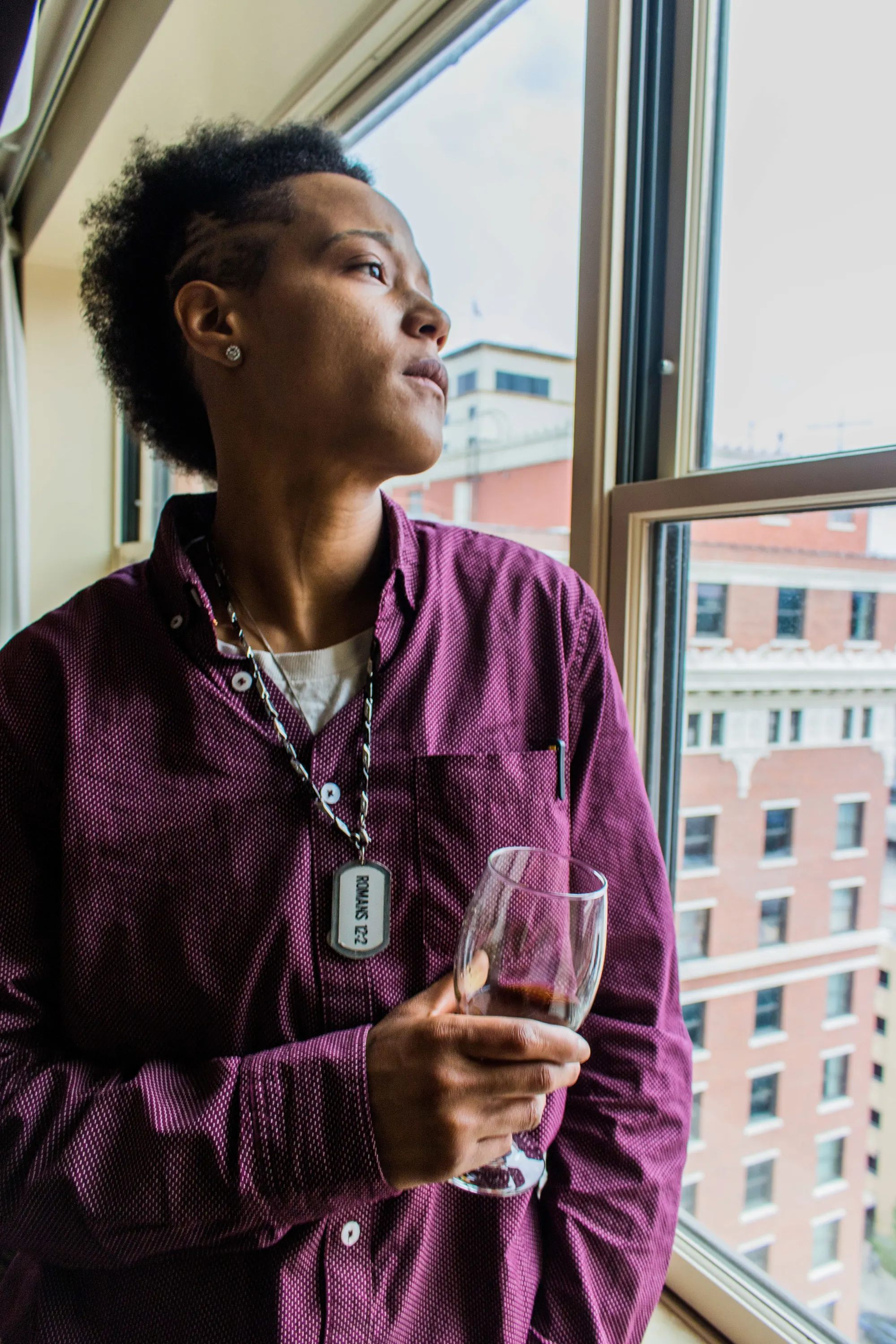
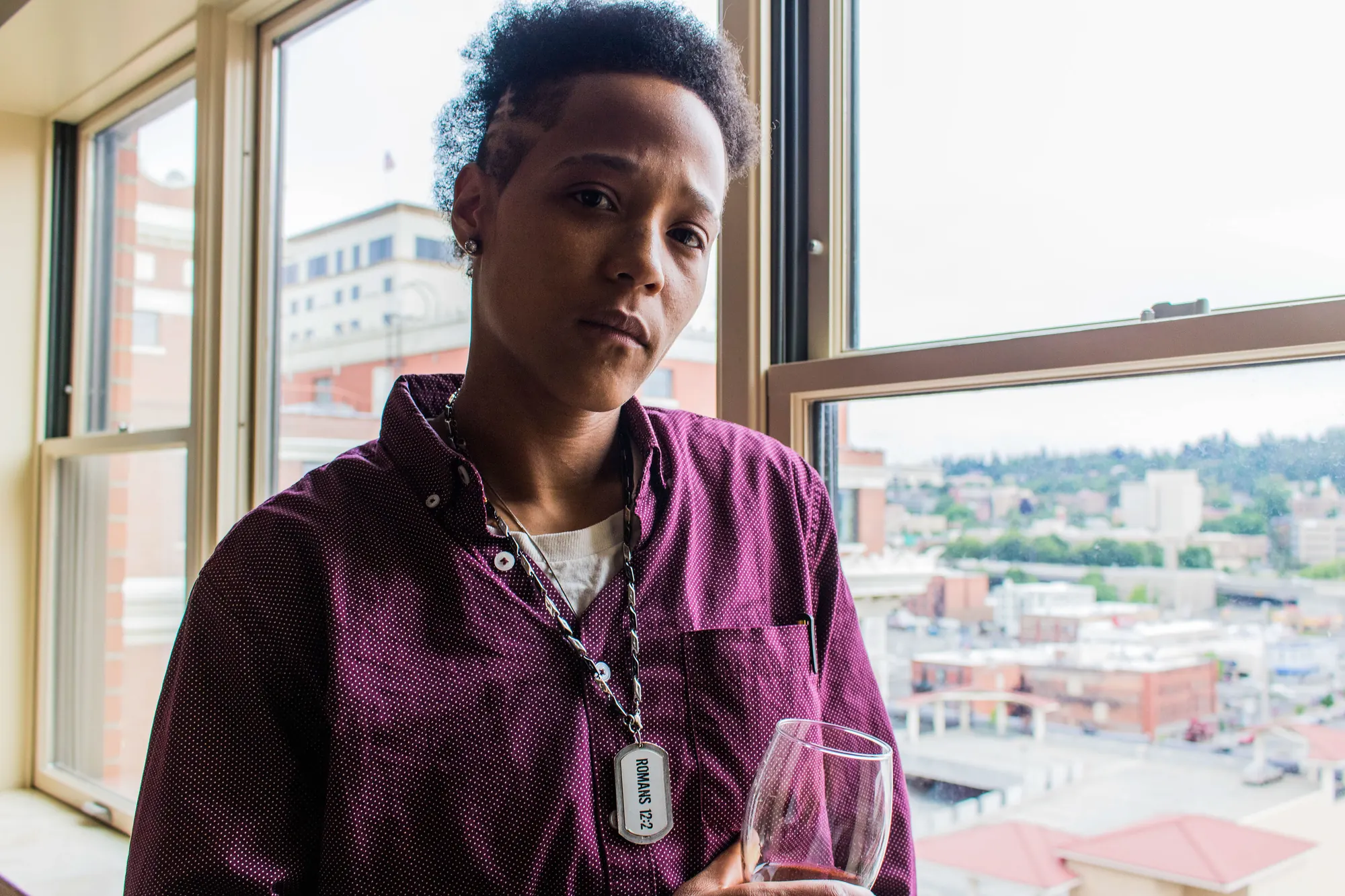
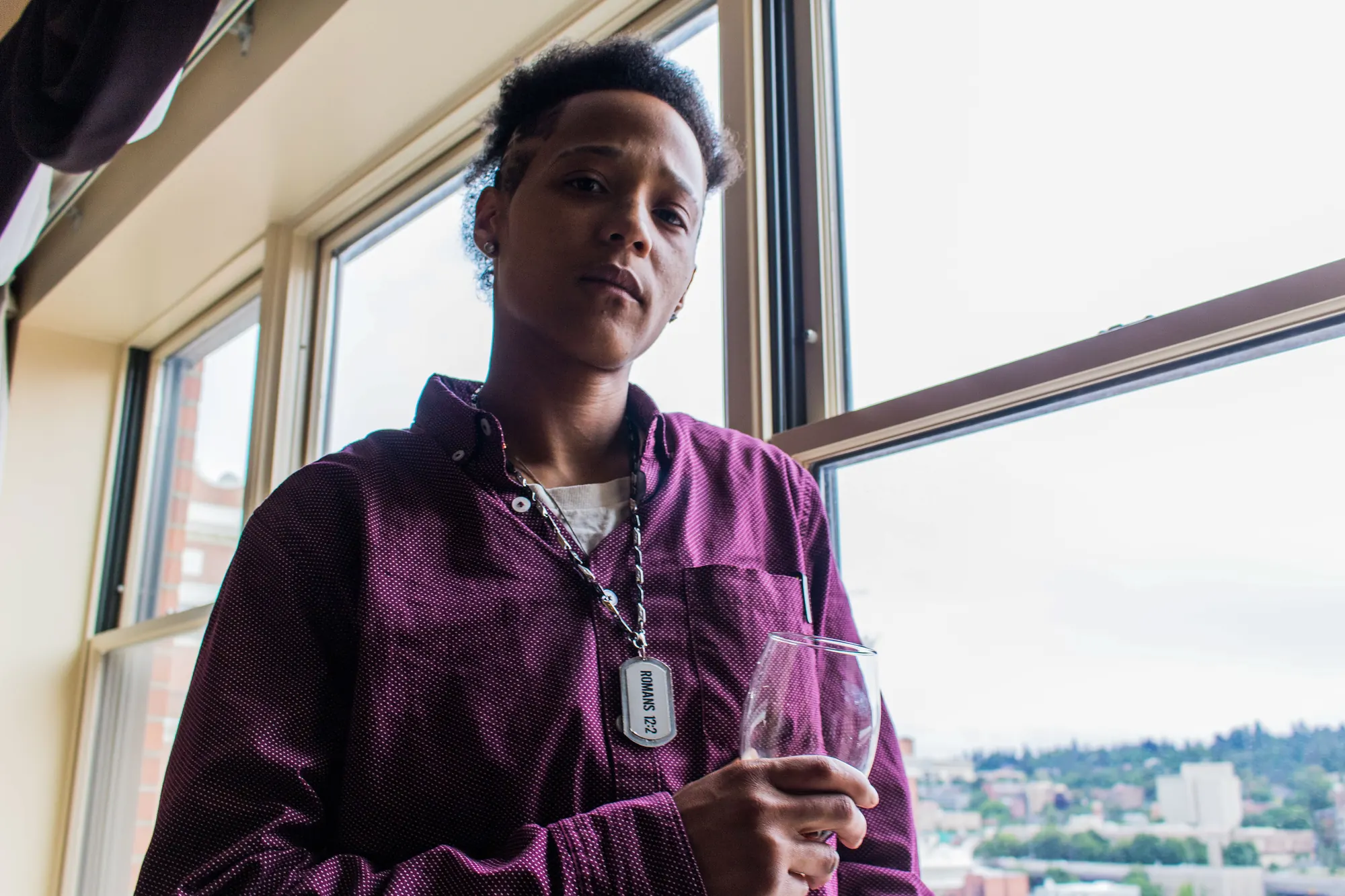
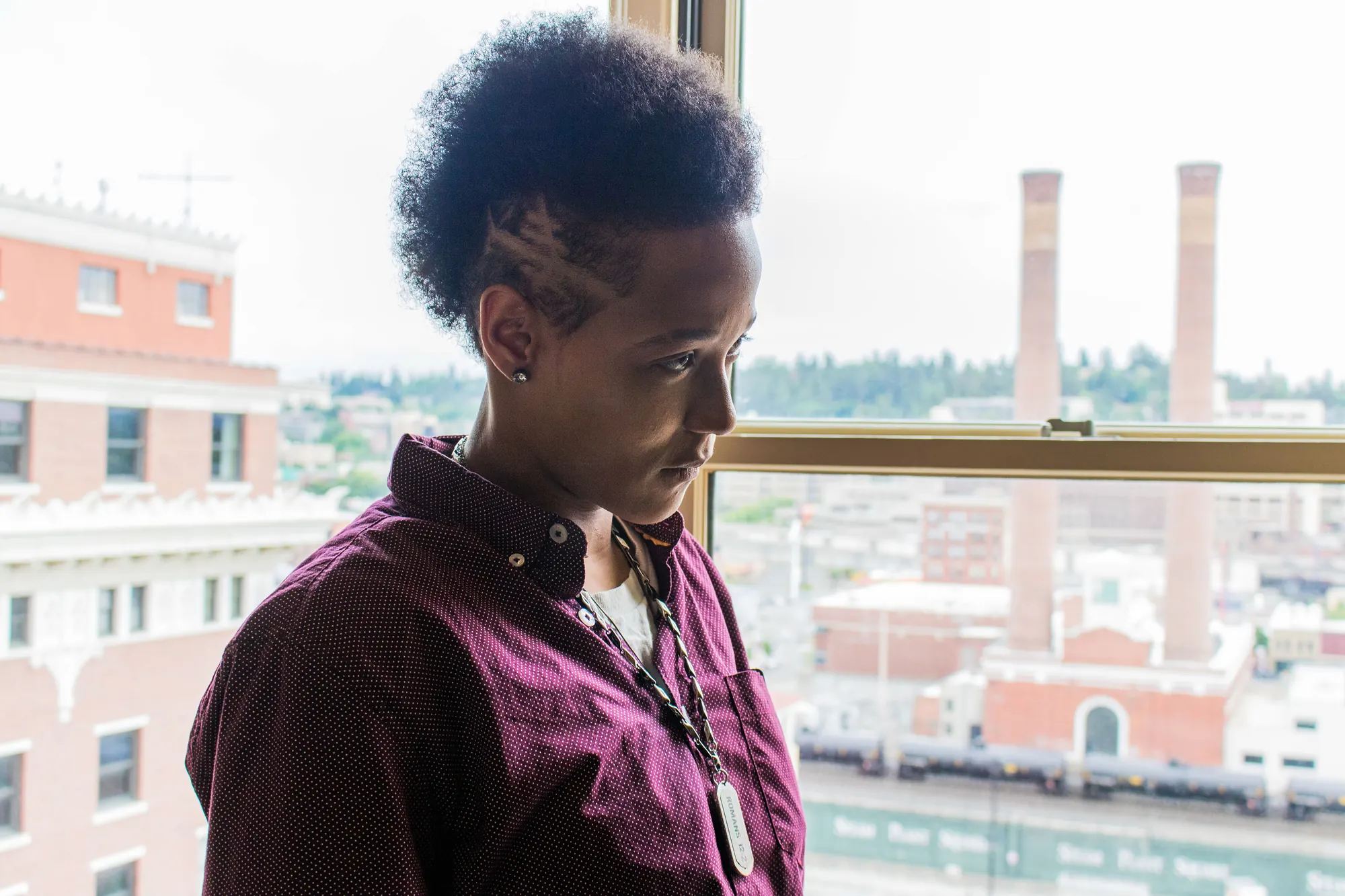
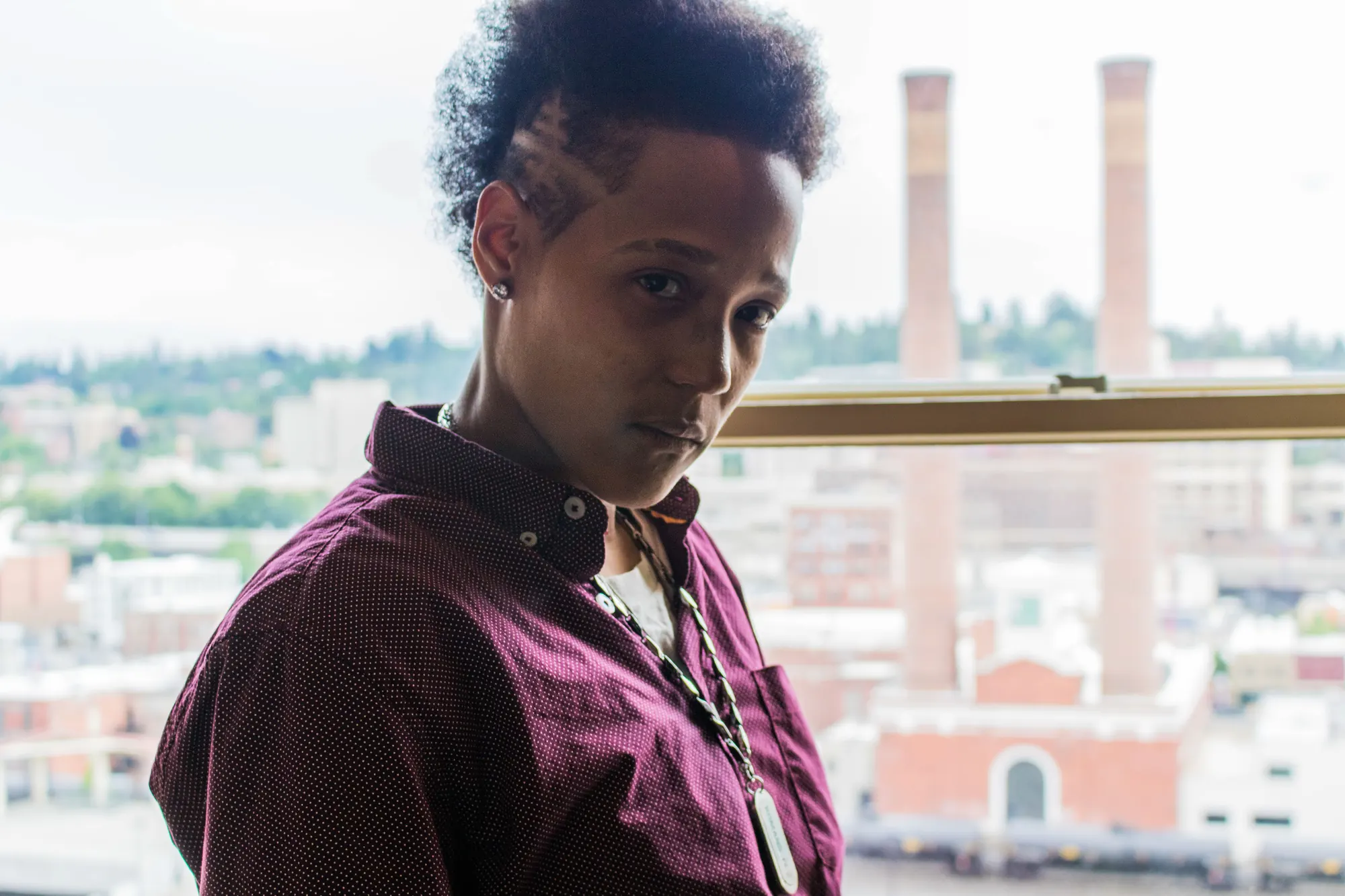
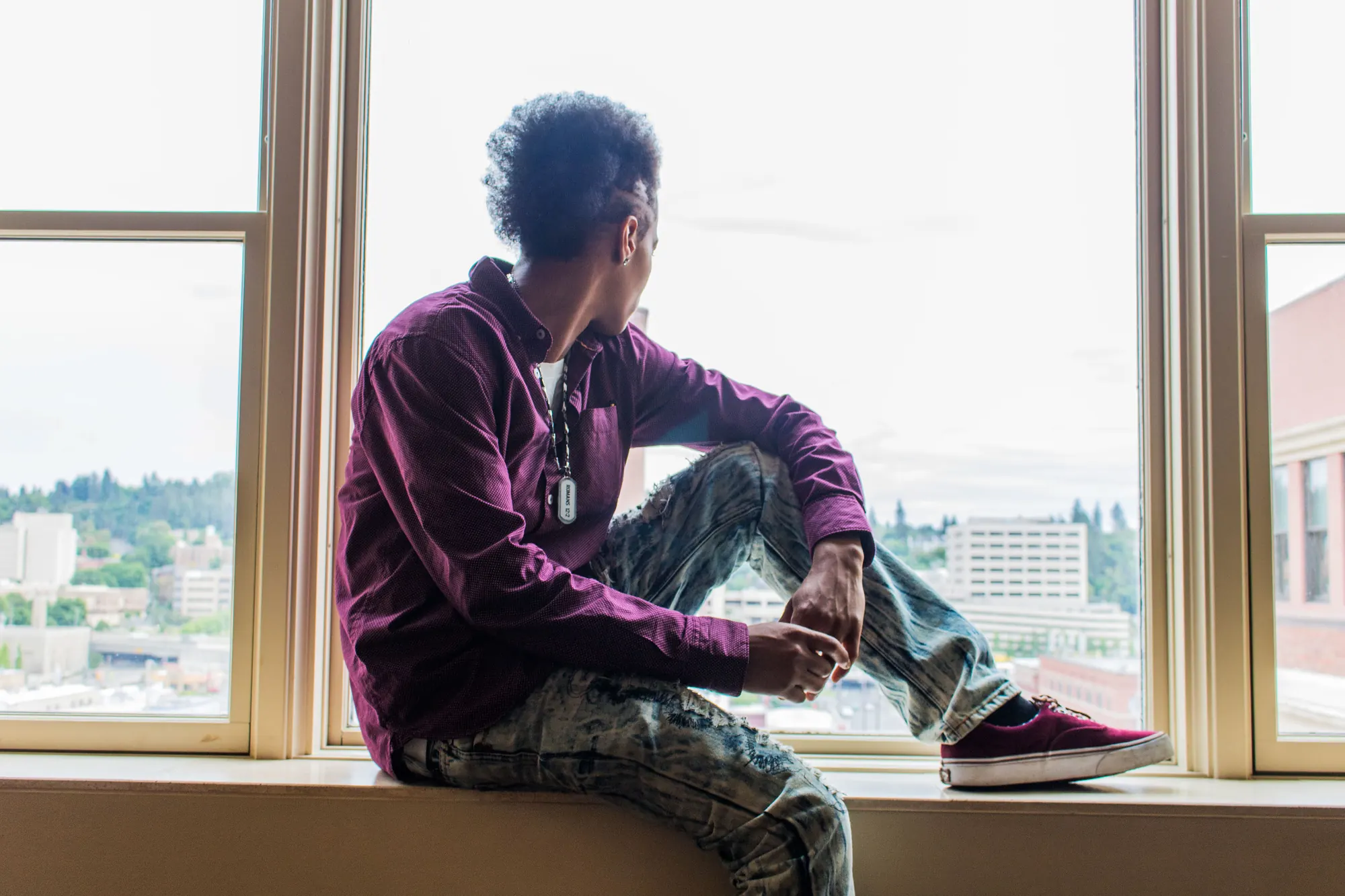
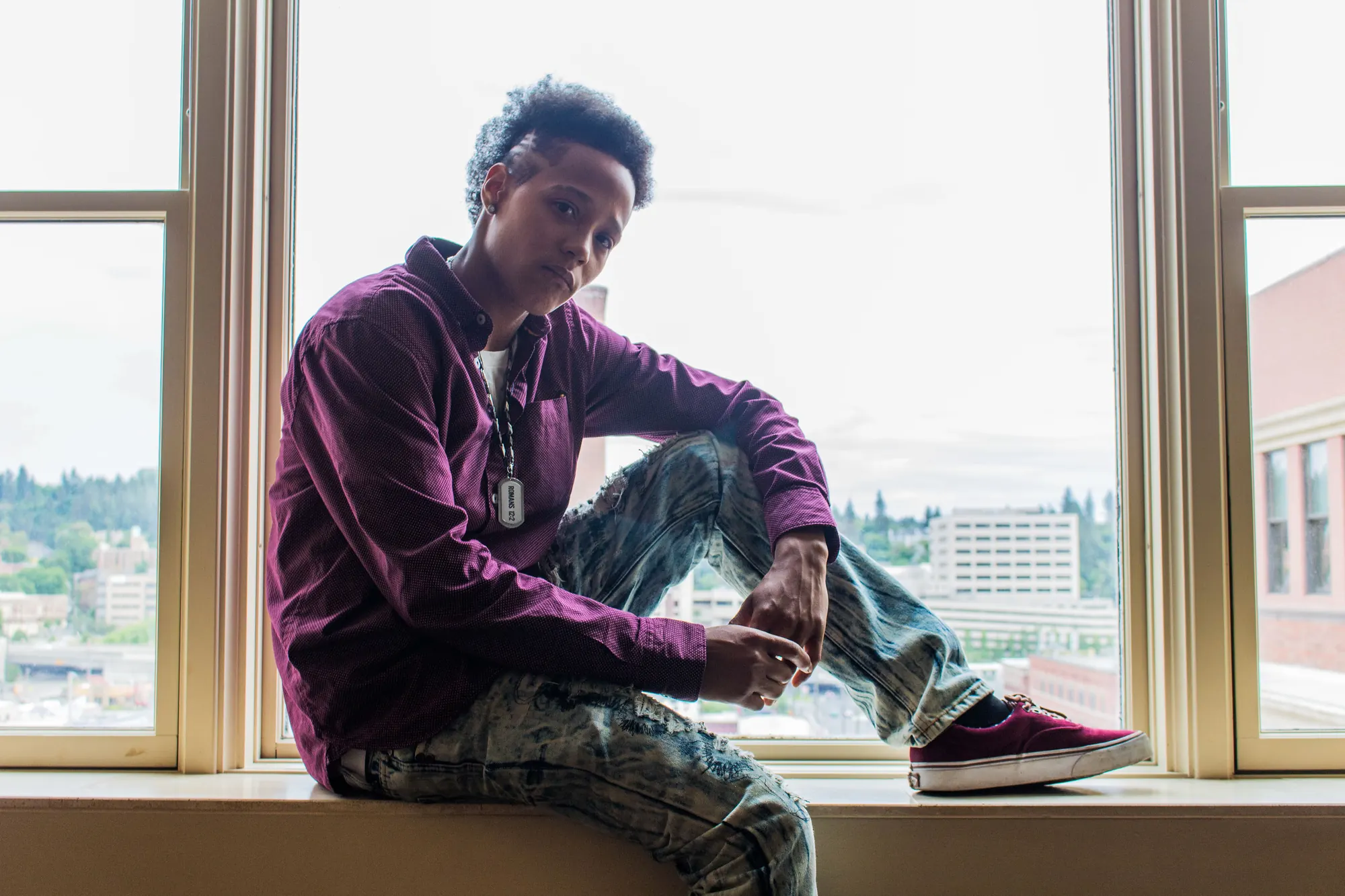
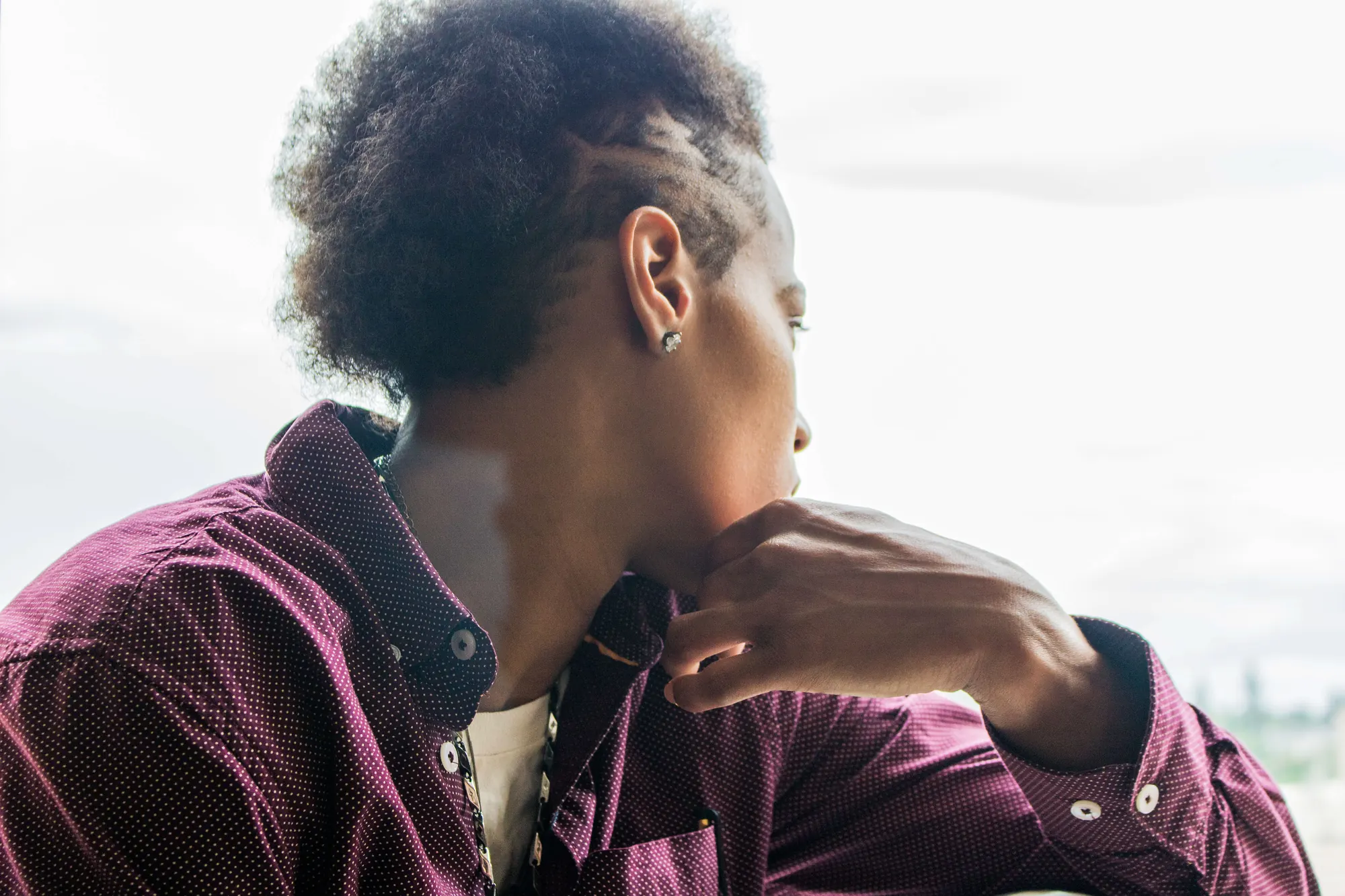
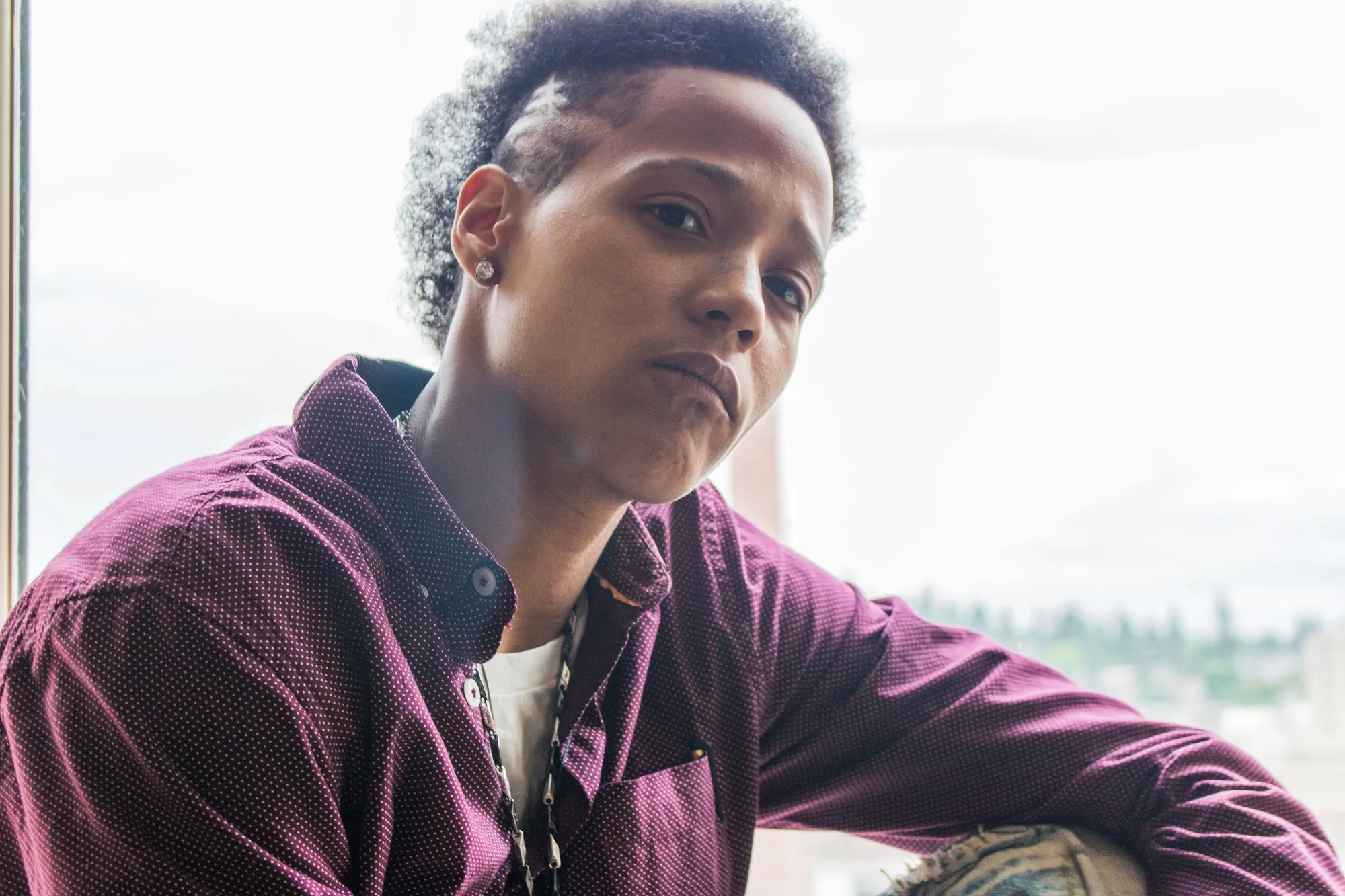
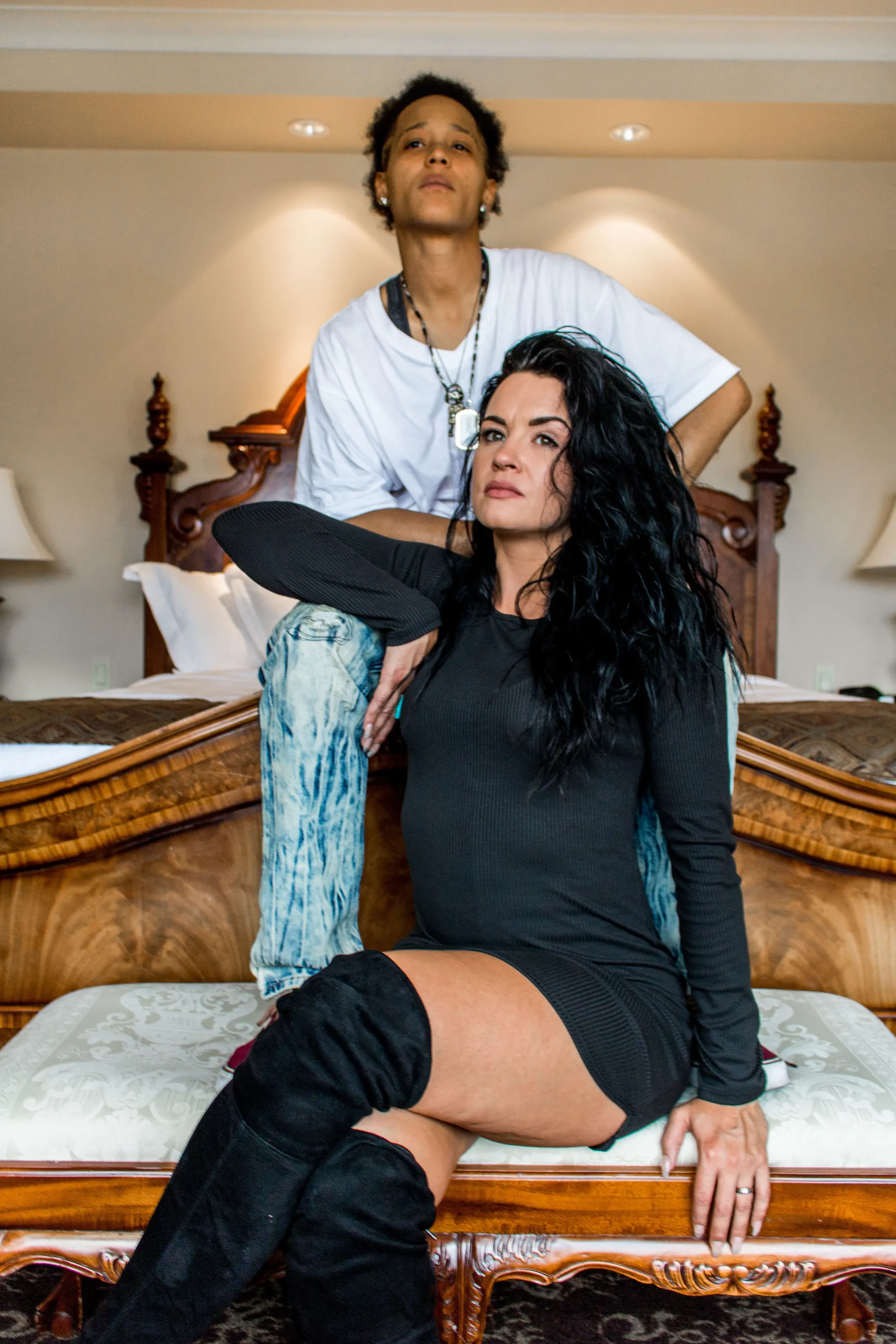
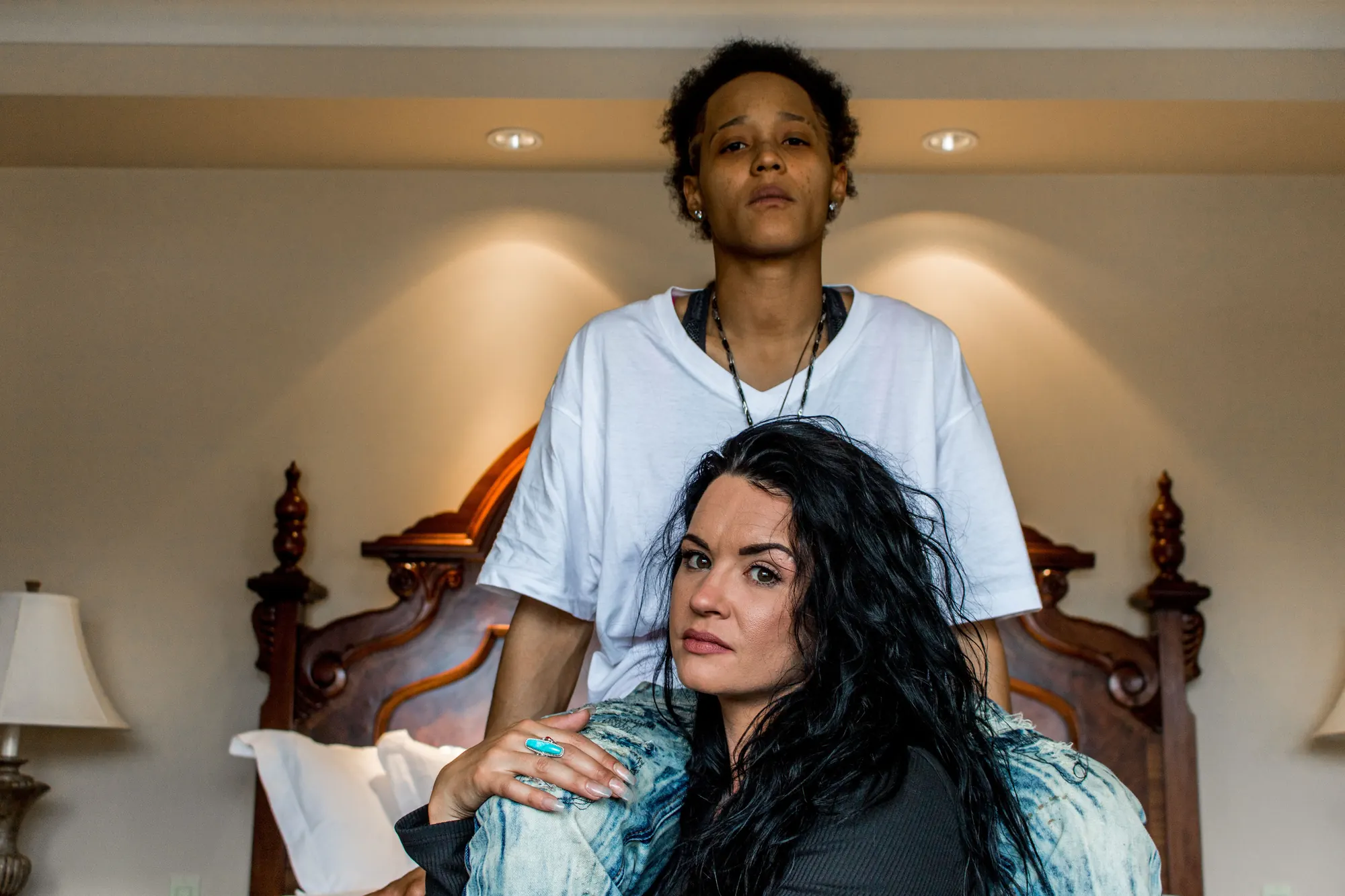
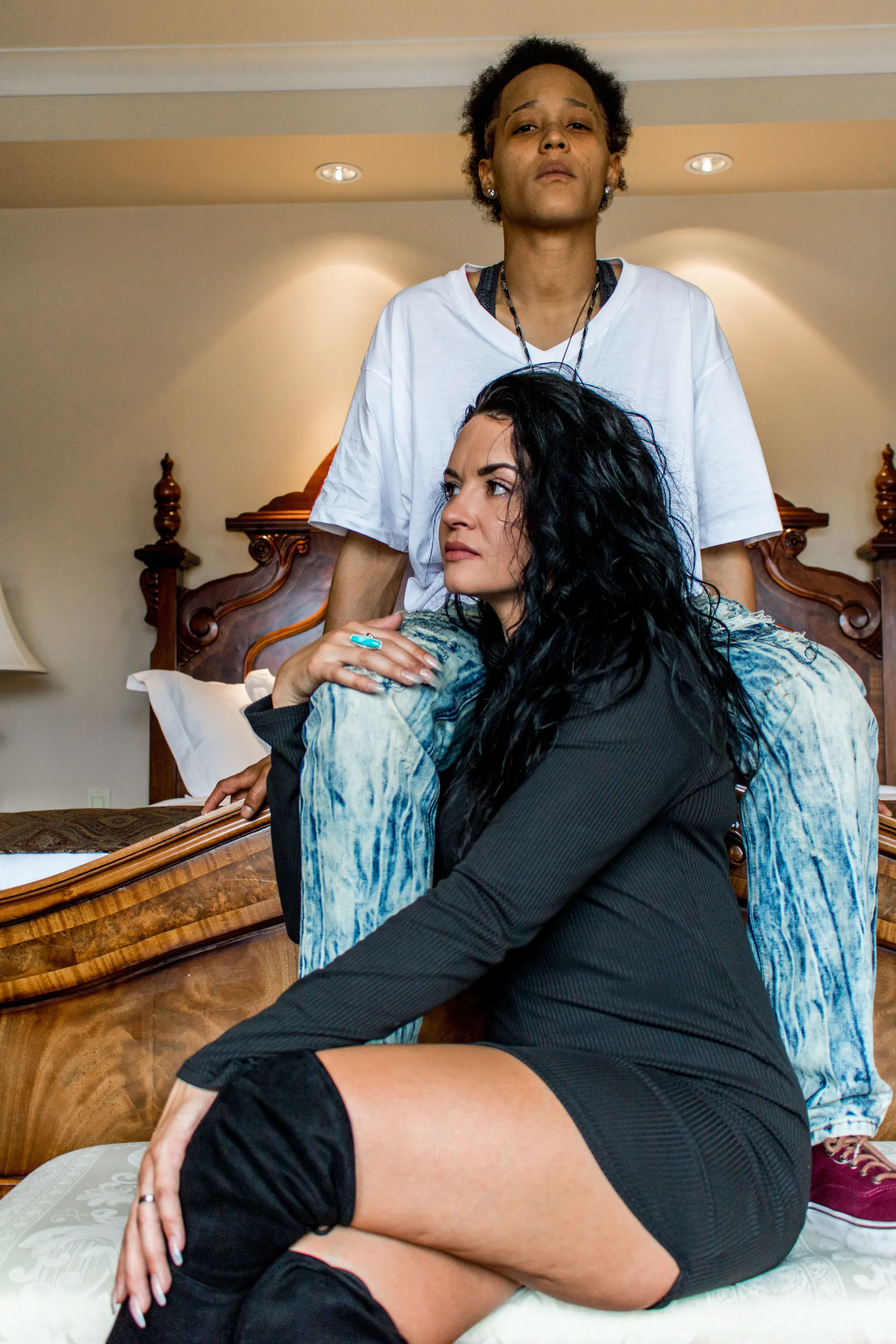
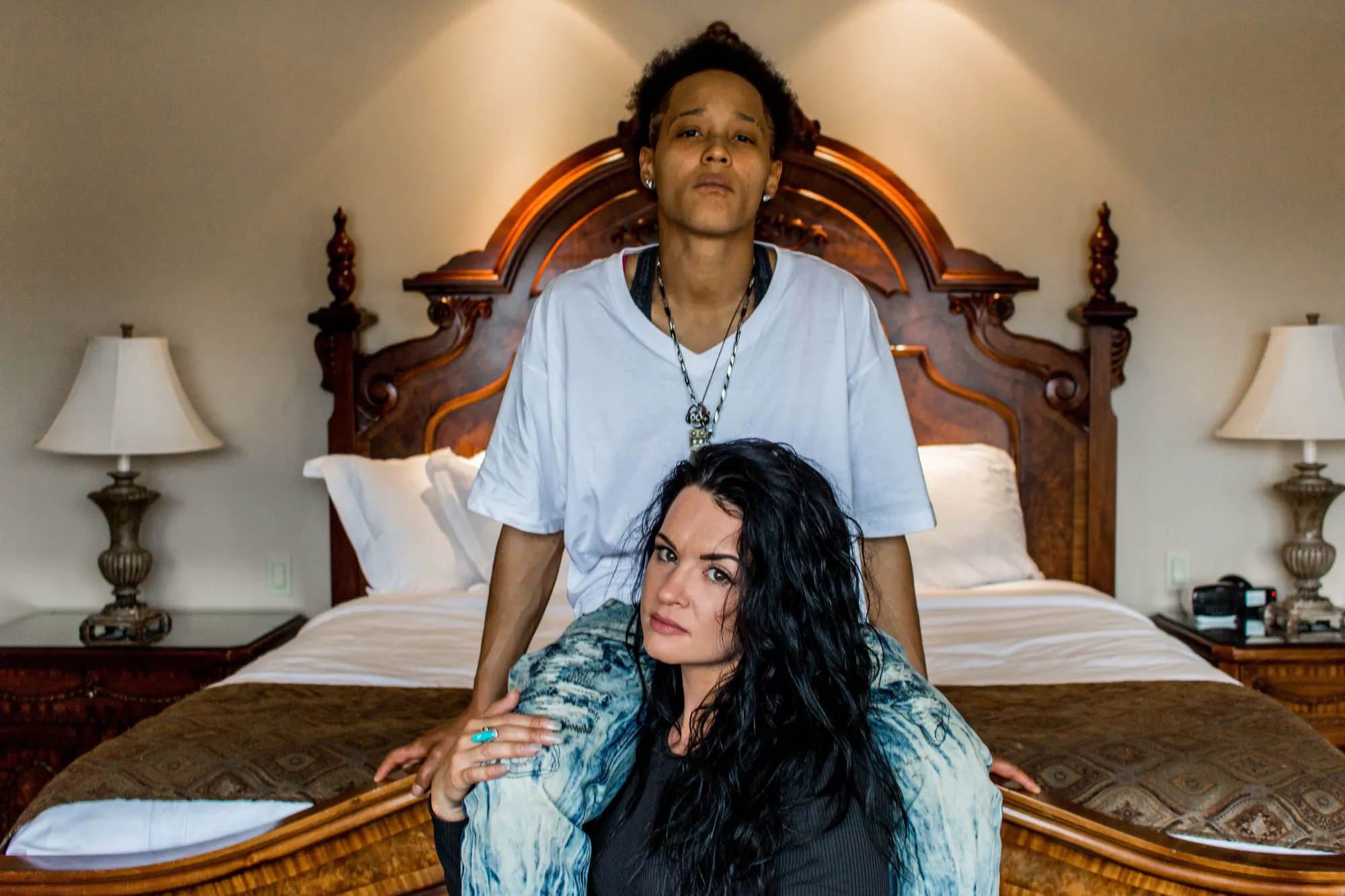
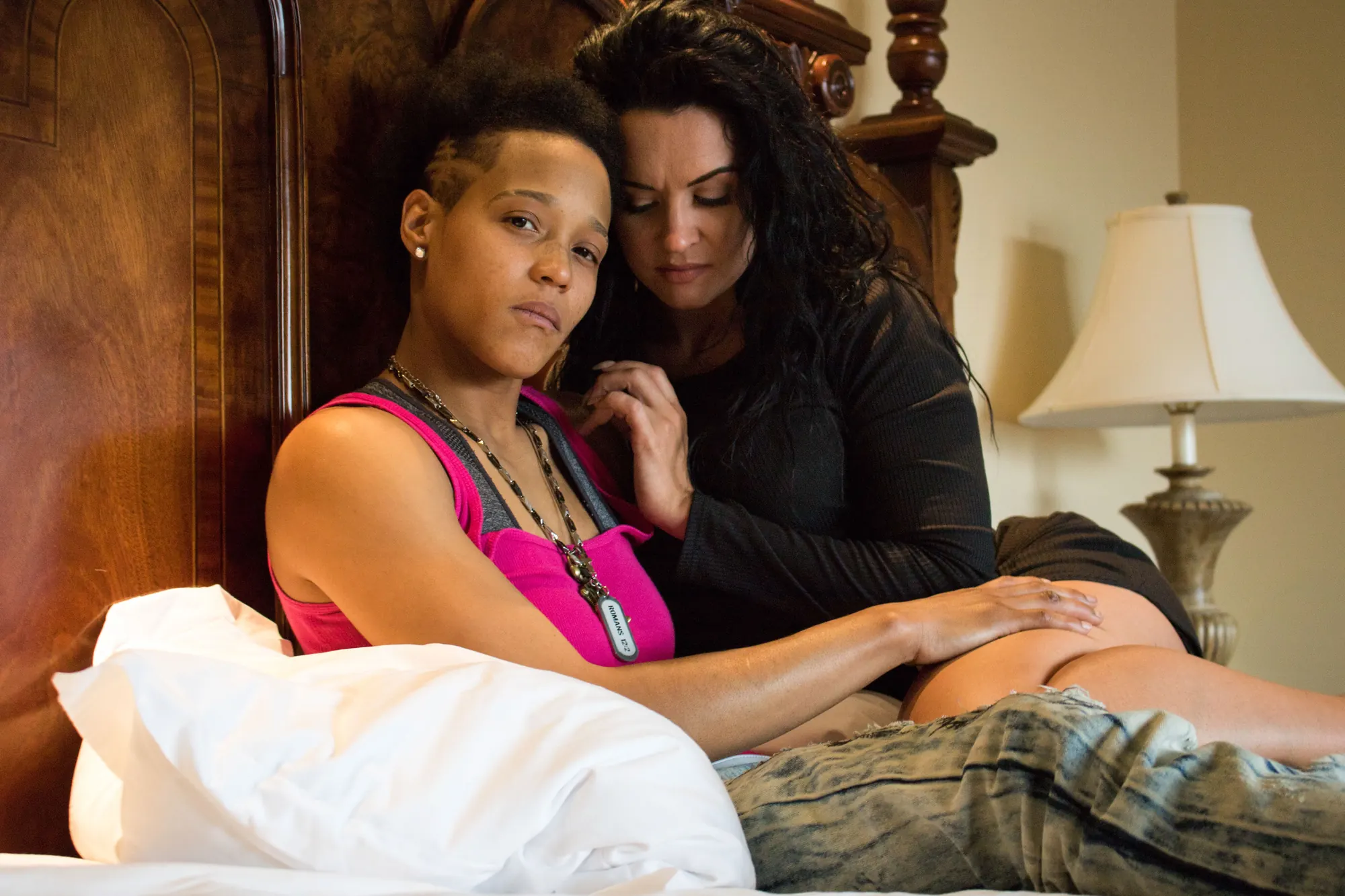
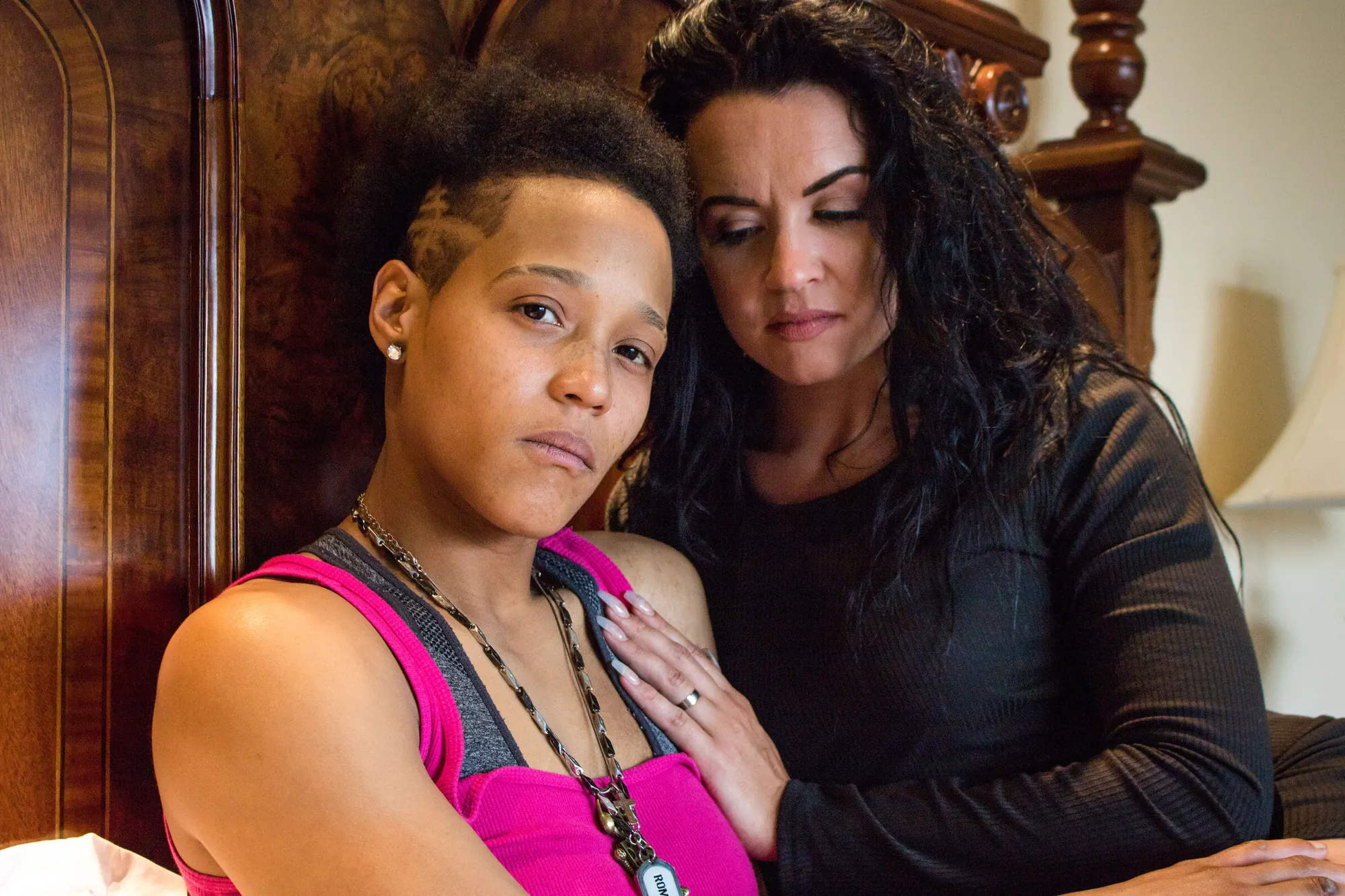
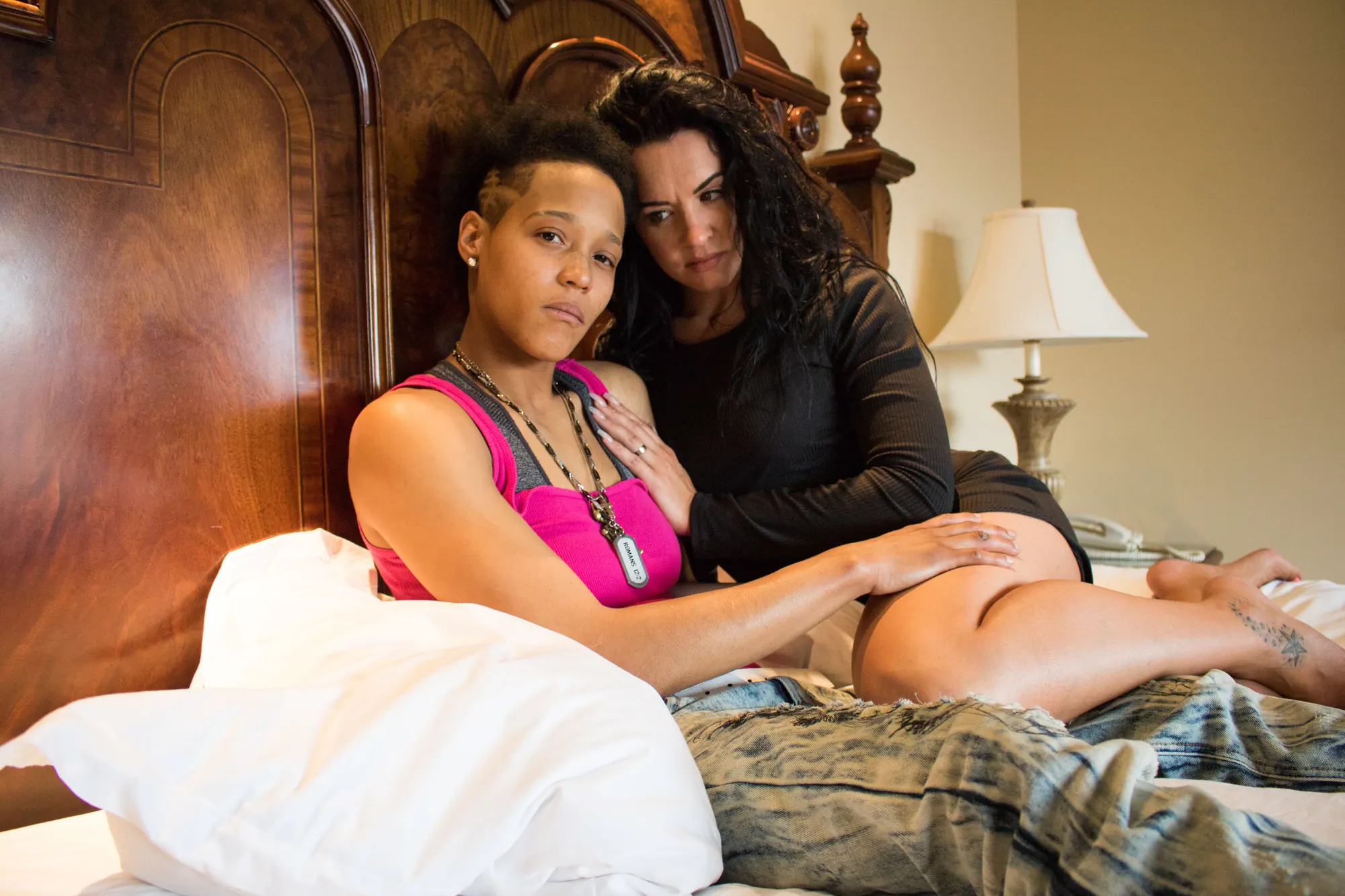
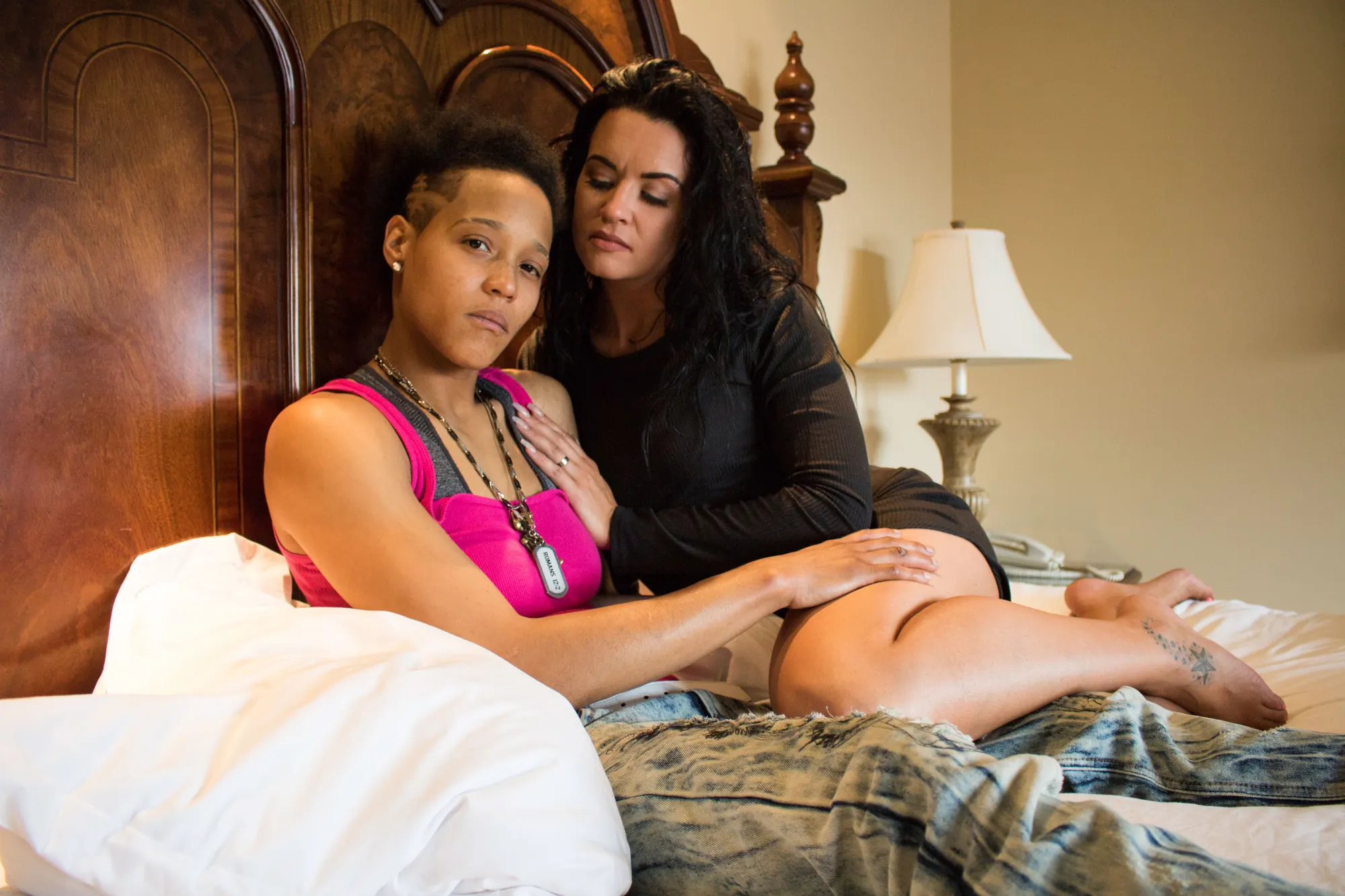
The brief called for going all out, so I did. Over several months I shot across multiple locations on weekends, edited through the following weeks, and waited through long approval cycles before moving to the next piece. The camera was a Canon Rebel t6i with a 50mm f/1.8 lens, which gave the portraits a shallow depth of field that suited the intimate tone of the concept. I shot, directed, edited, and handled motion design across the whole project myself.
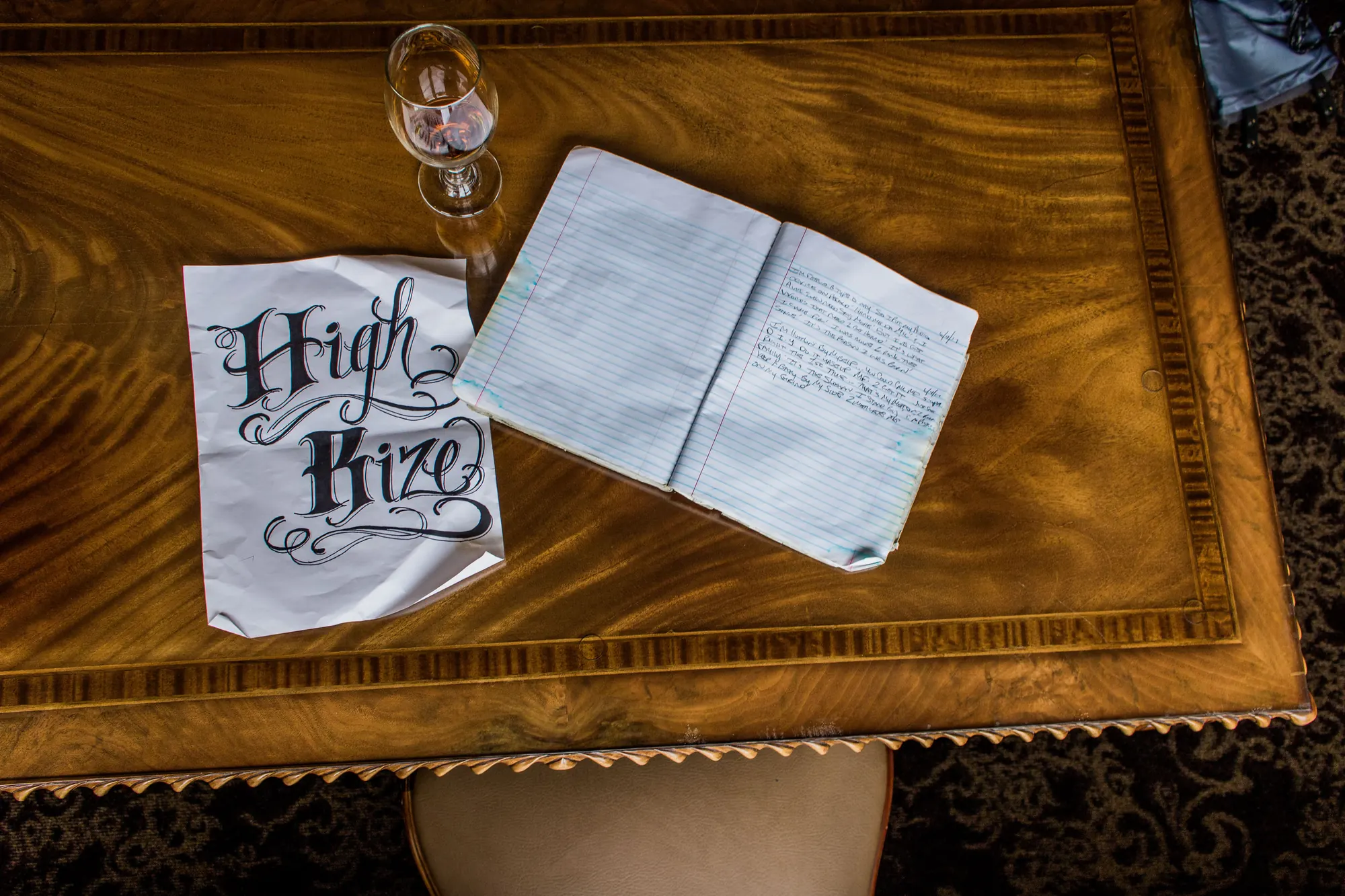
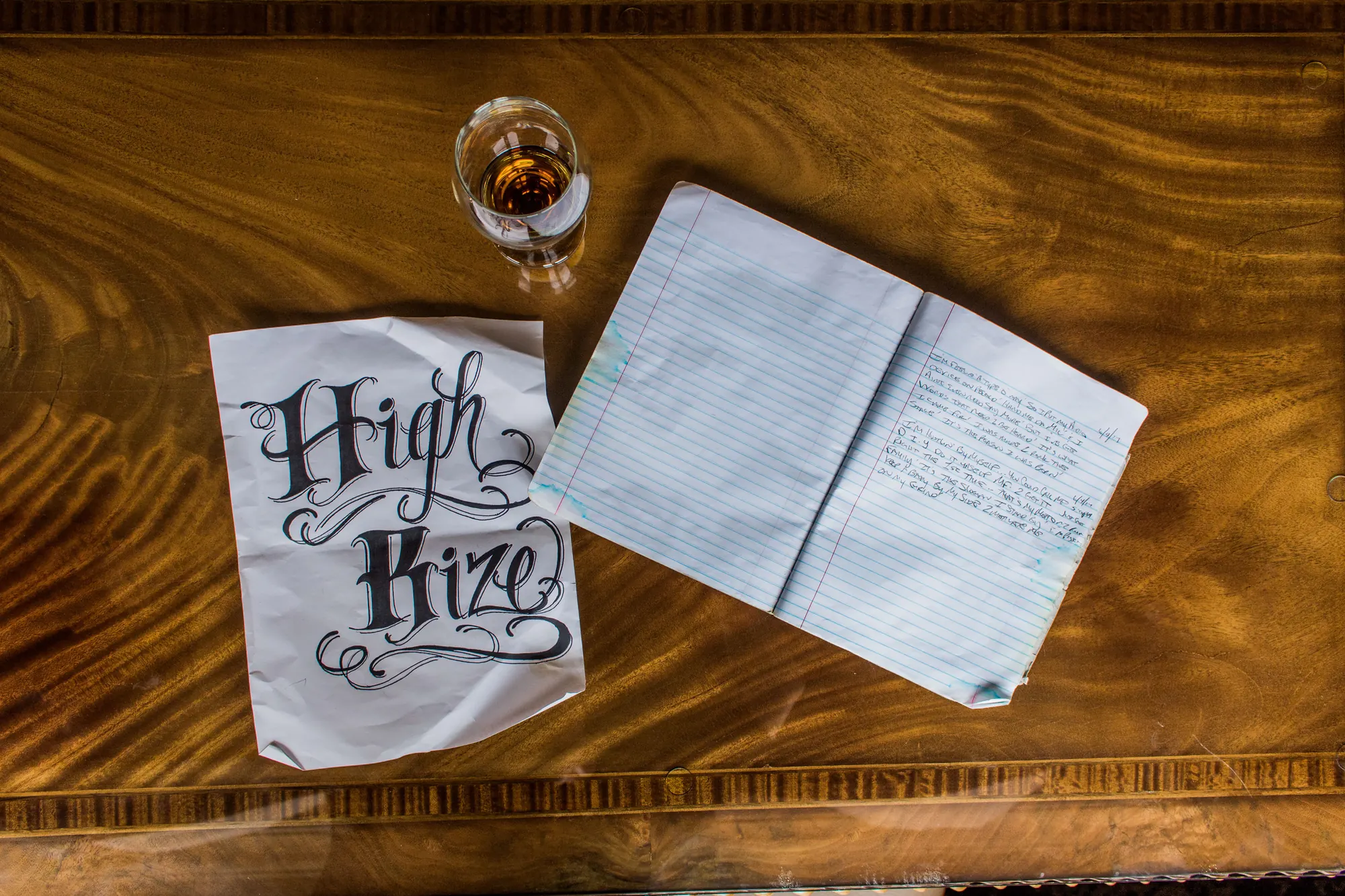
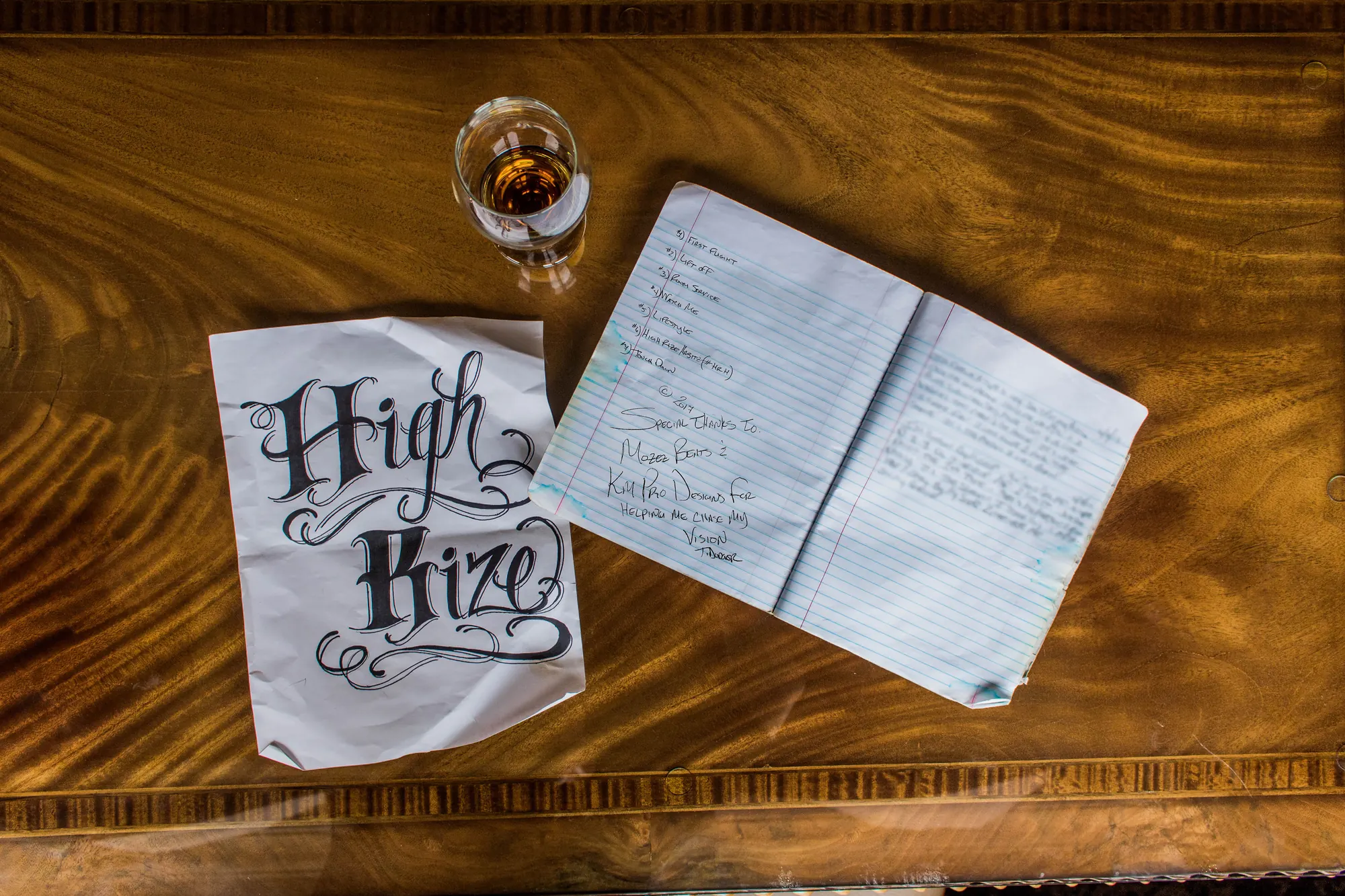
The deliverables ended up being: a logo, a full website, social media branding and image templates, more than fifty photos processed in Lightroom, social media videos, a promo video cut in Premiere Pro, and a music video with motion design elements built in After Effects. Illustrator handled the logo and branded graphic work.
Where I had a real decision to make, it was about cohesion versus convenience. I pushed for both models to be on set at the same time so the stills and the video would share the same visual language. That did not happen. So instead I leaned into the strongest consistent element I had, which was the colour grading and framing approach, and tried to use those to tie the separate shoots together in post. It helped, but it was a patch rather than a solution. I knew it at the time.
The one thing I refused to skip was the client education piece. After every delivery I laid out what the asset was, where it should go, and roughly when. I was not willing to hand over a folder of files and walk away, even knowing the odds.
What Happened
The client was genuinely happy with what she received. She still uses some of the photos and videos today, which tells me the work holds up well enough to keep living on her pages years later.
What did not happen was the coordinated release. The content went out piecemeal, without the timing or sequencing it was built around, and so the cumulative effect it was designed to create never materialised. A photo posted two months after the album drops is just a photo. Posted the week of release, as part of a sequence, it is part of an argument for why someone should listen. That argument was never made, not because the pieces were not there, but because they were never assembled in the right order at the right time.
The gap between what the work was capable of and what it actually did for her career is the result I carry from this project.
What I Took From It
The lesson I keep returning to is that a big deliverable list is only as useful as the client’s capacity to deploy it. If I do this kind of comprehensive project again, I either need to be close enough to the client’s day-to-day to guide the rollout in real time, or I need to simplify the package down to something they can manage on their own without a strategy conversation they are not yet equipped to have.
I also wish I had held the line harder on the joint shoot. Improvising cohesion in post costs more time than it saves on production day, and the result still shows the seams. That is a call I would make differently now, even if it meant delaying the whole timeline.

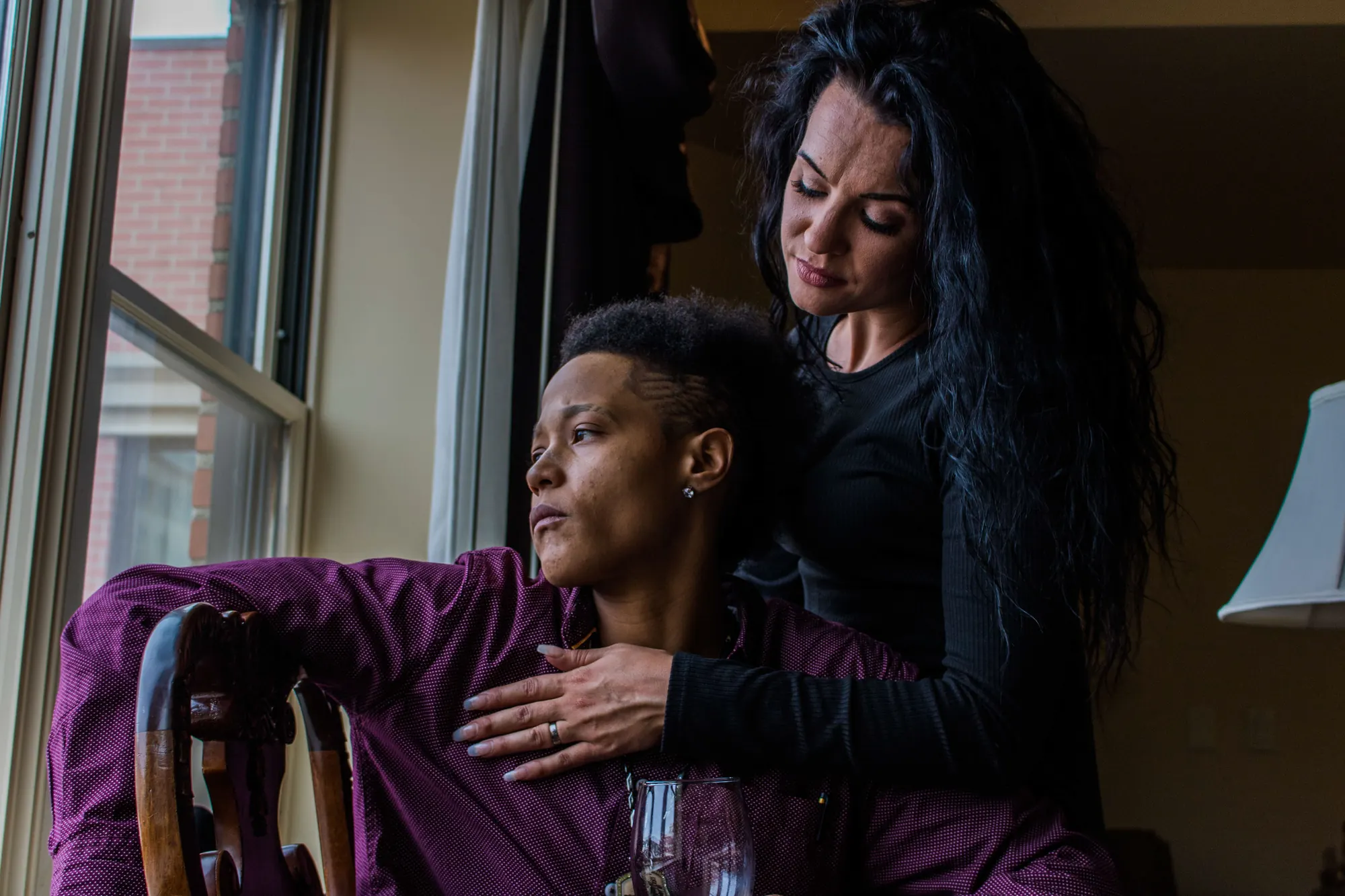
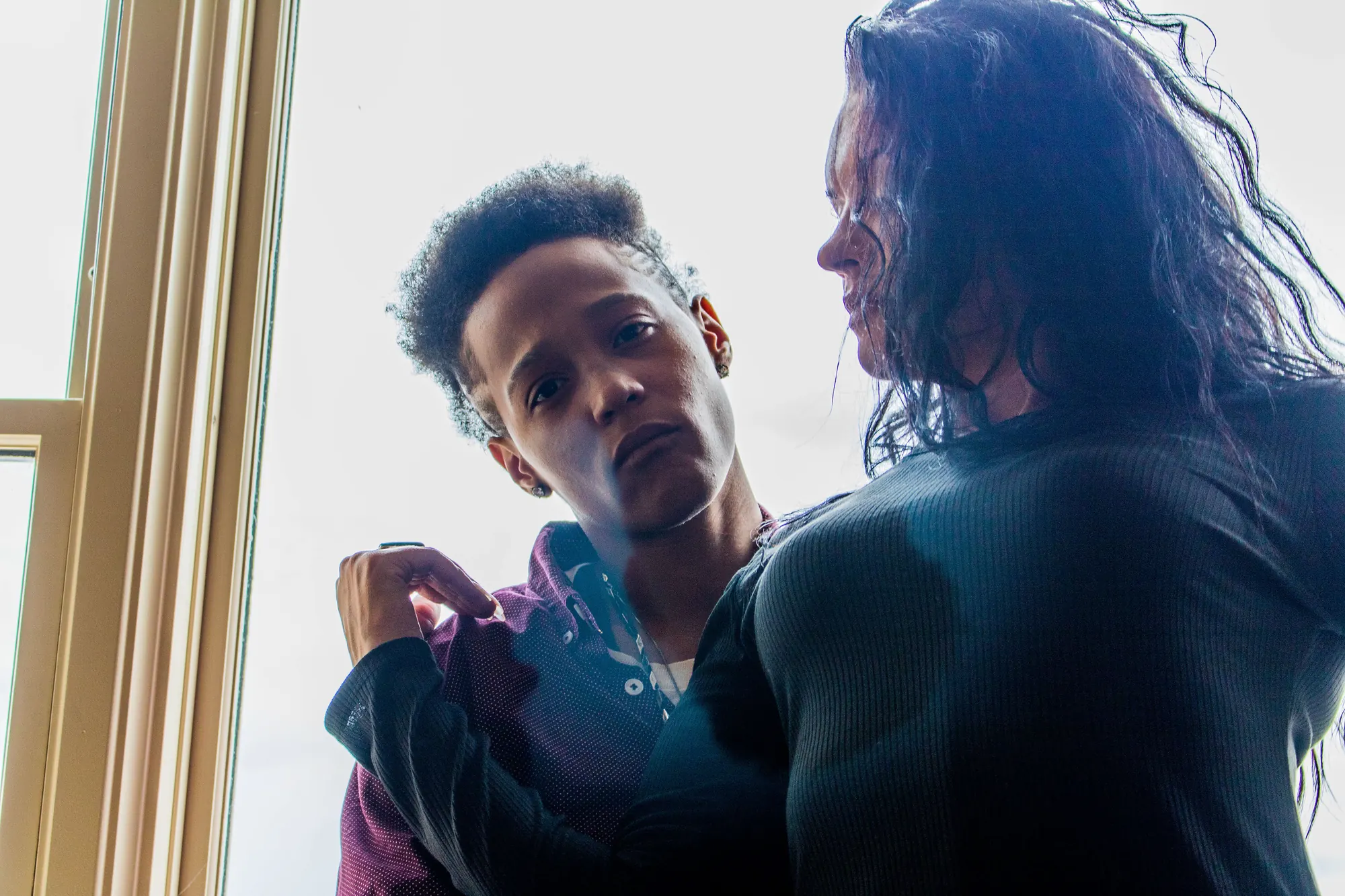
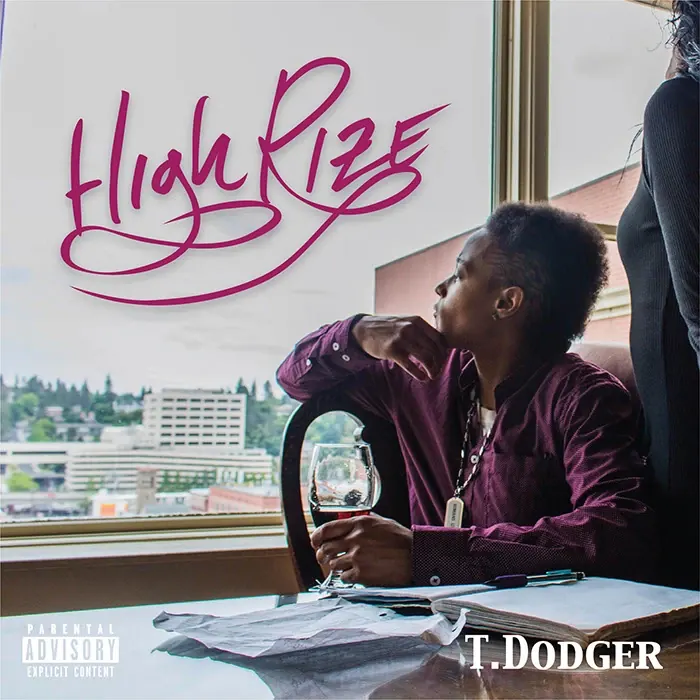
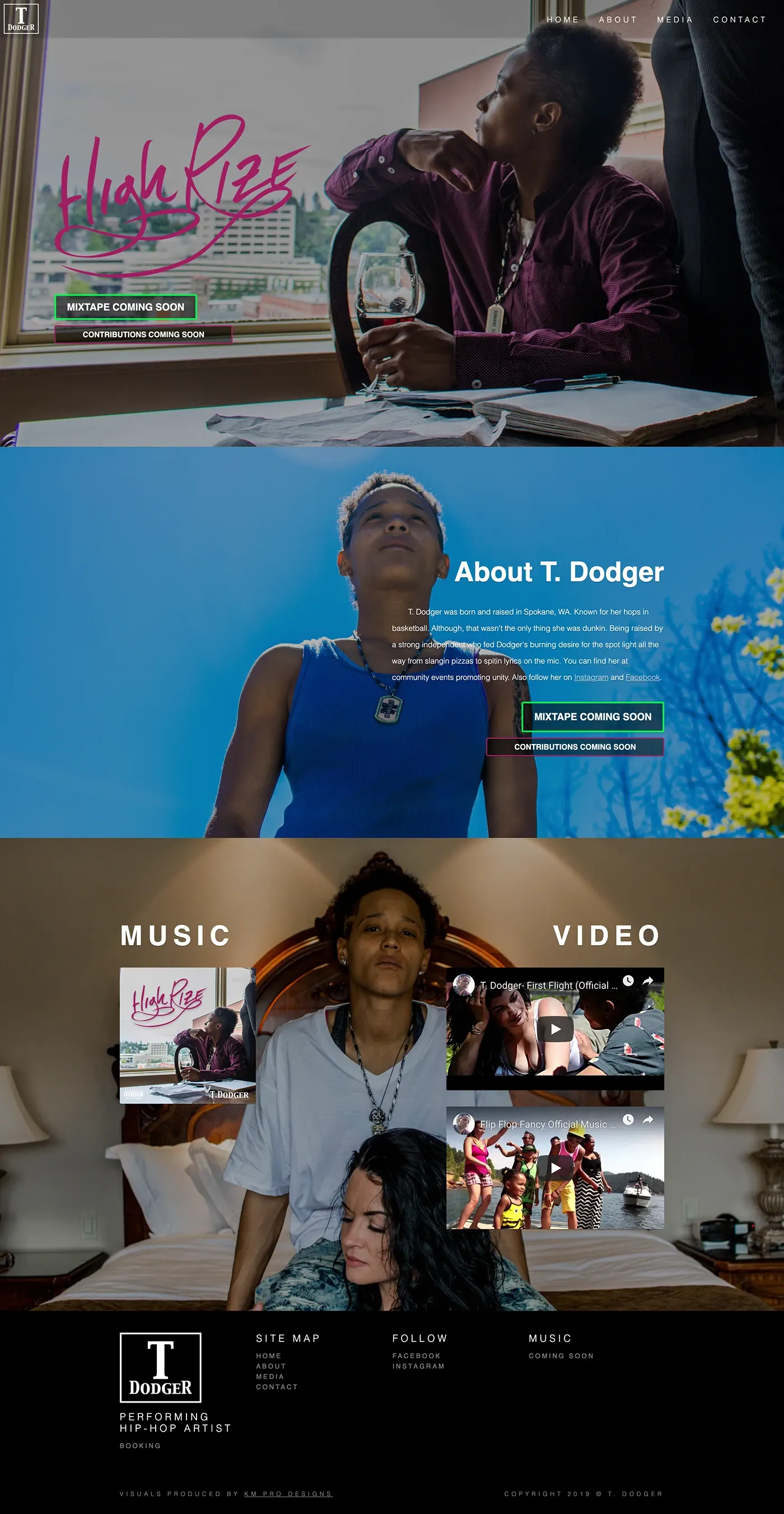
Most of the content was posted without context or held back too long, and the window for it to matter closed quietly.
/More images 81 from this project
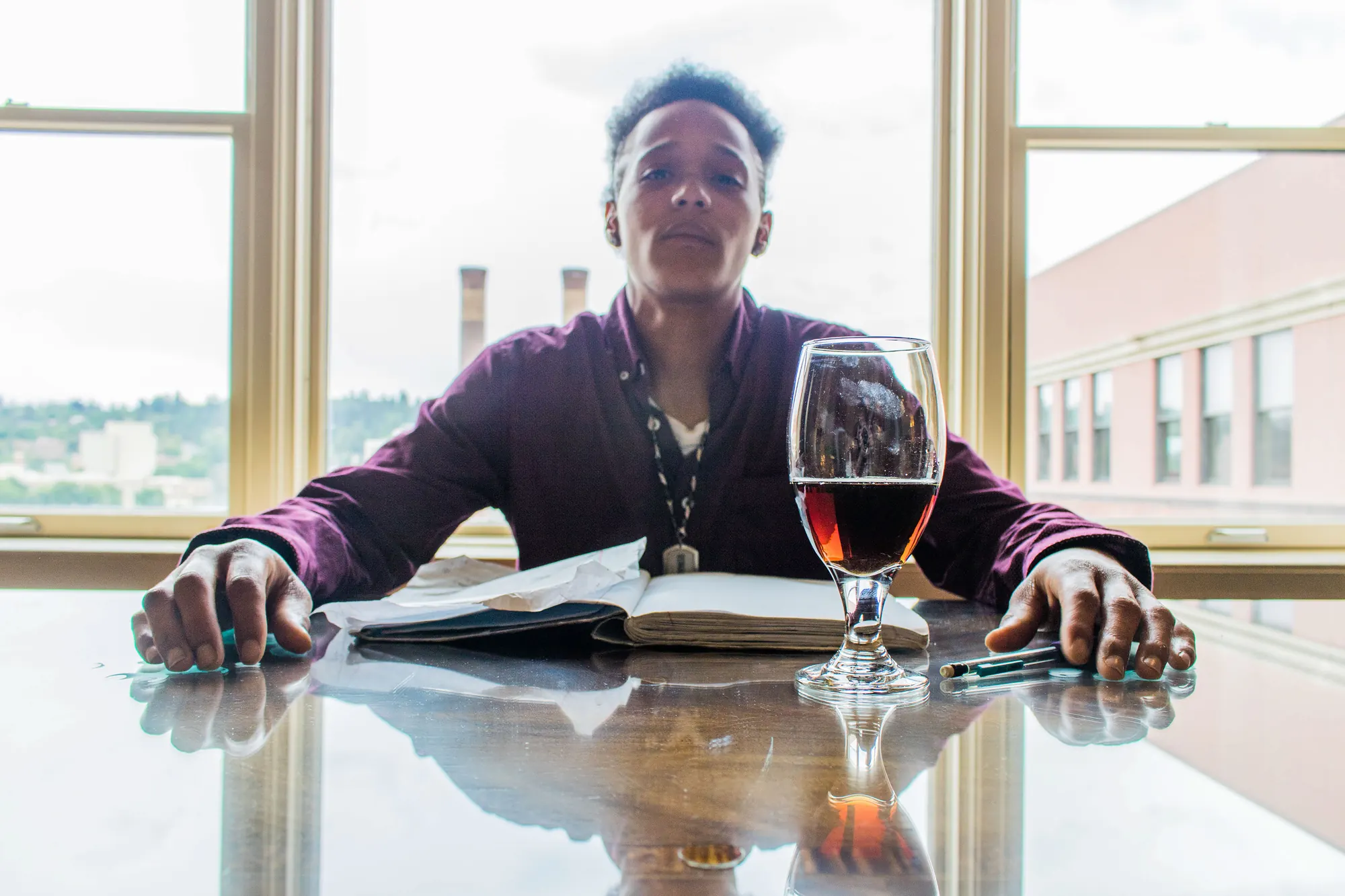
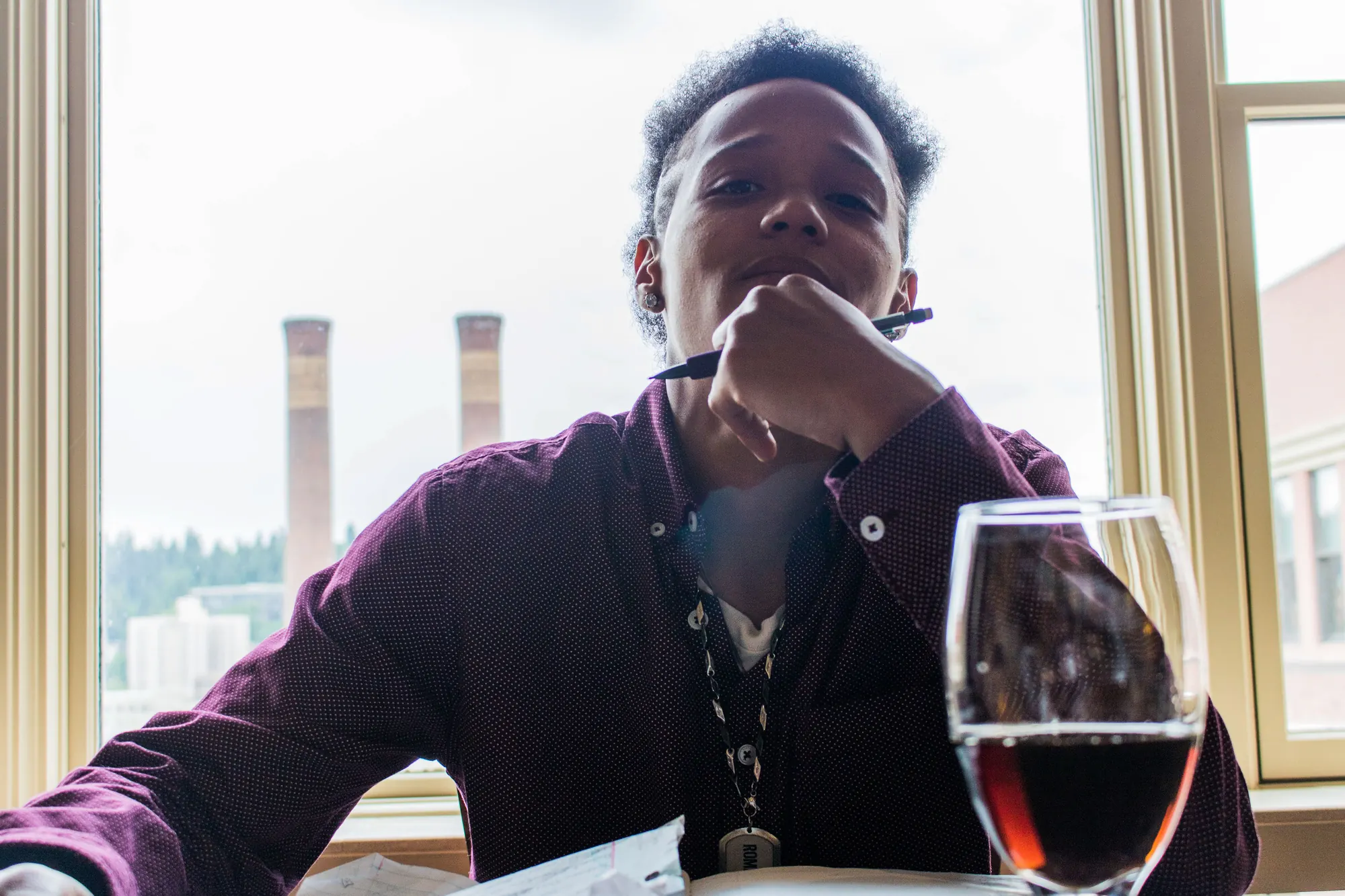
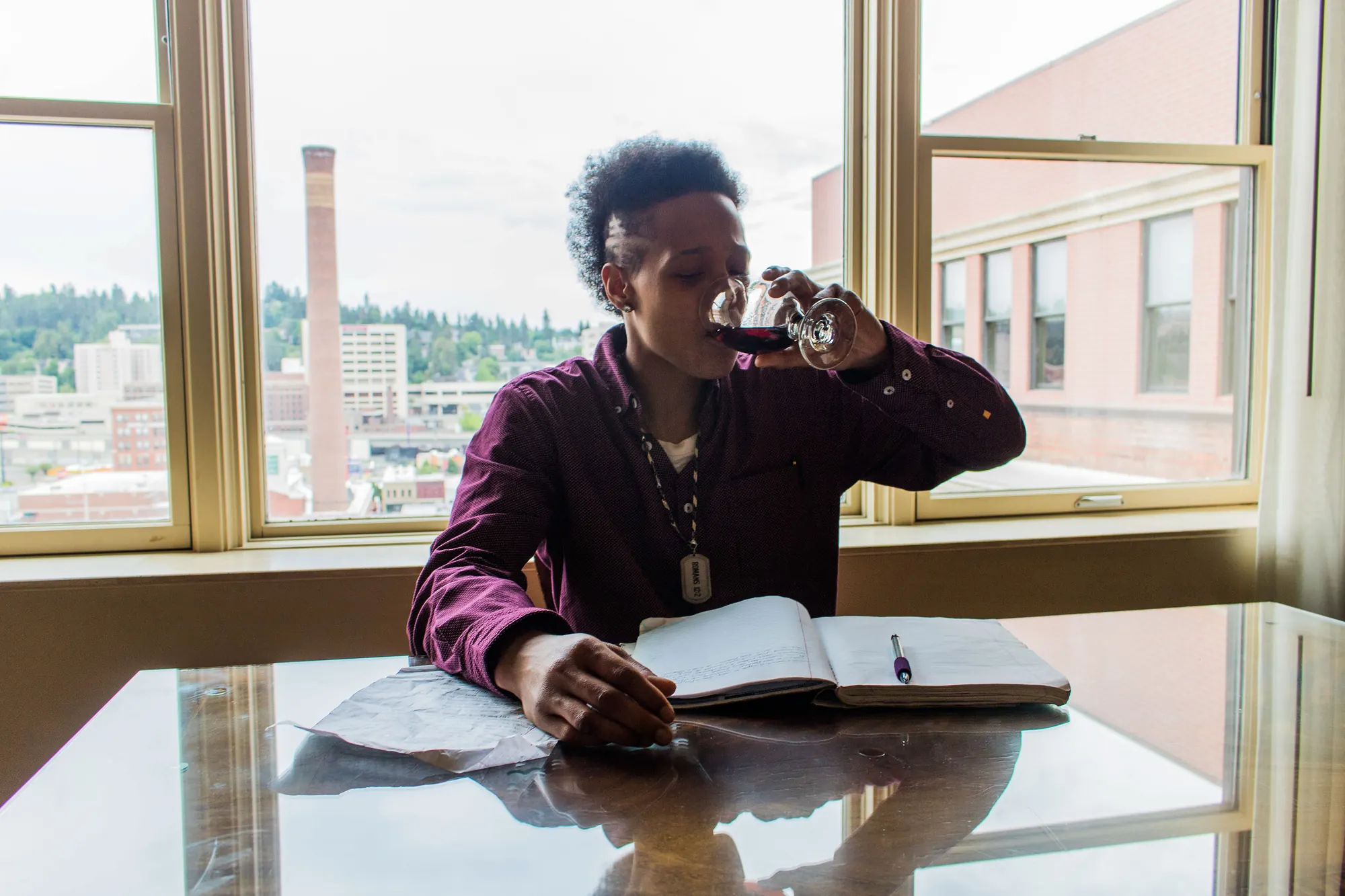

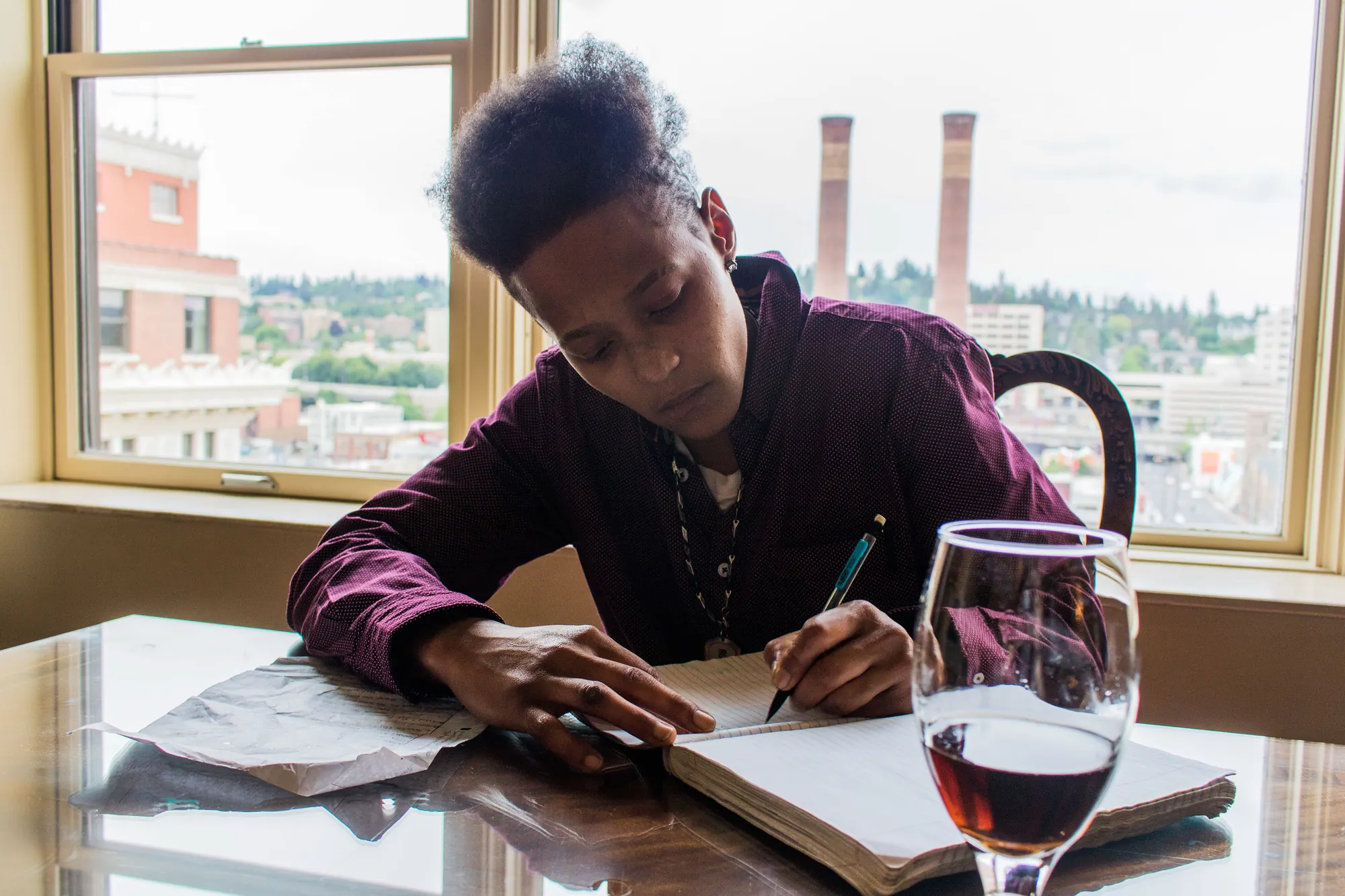
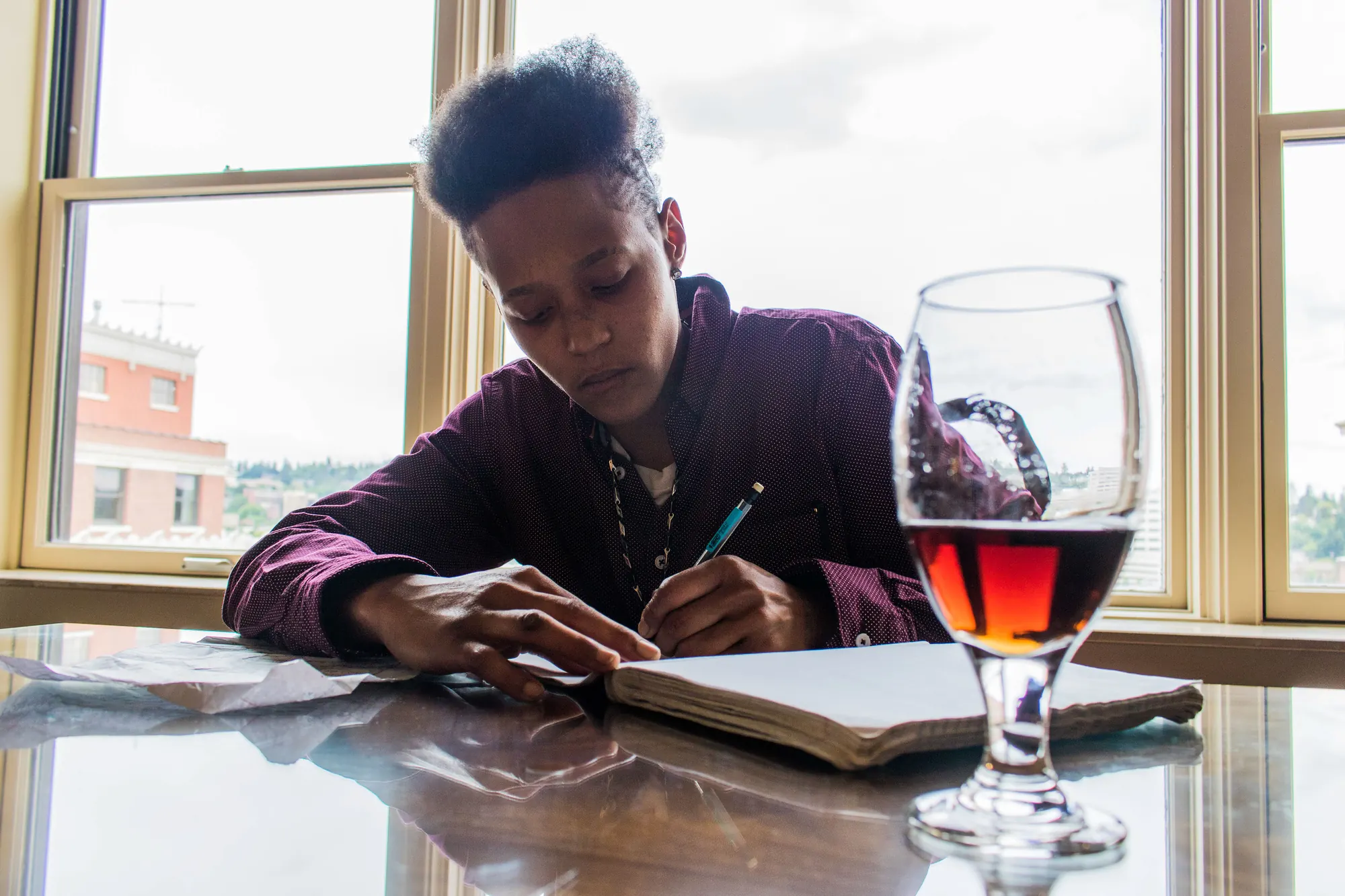
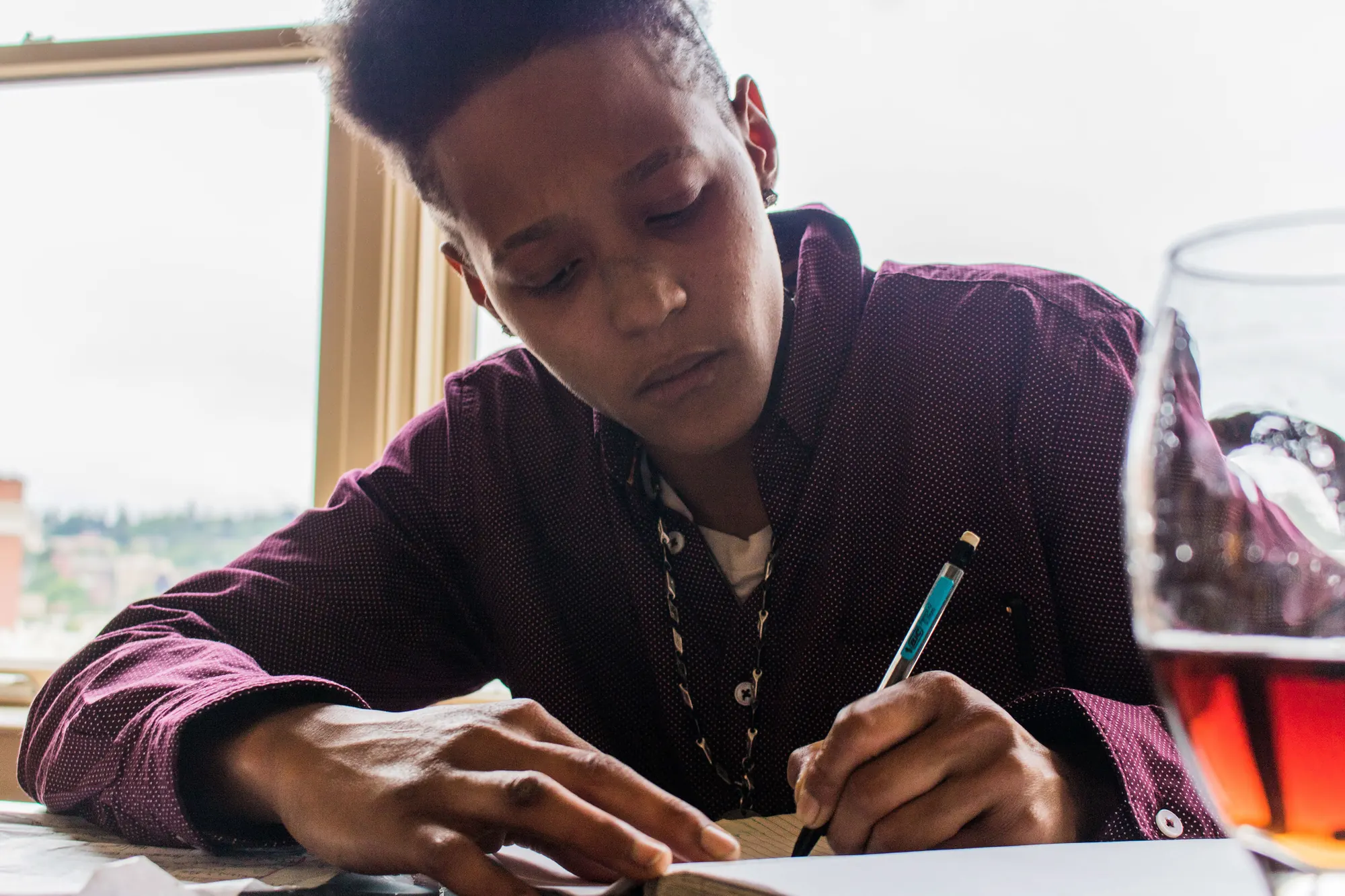
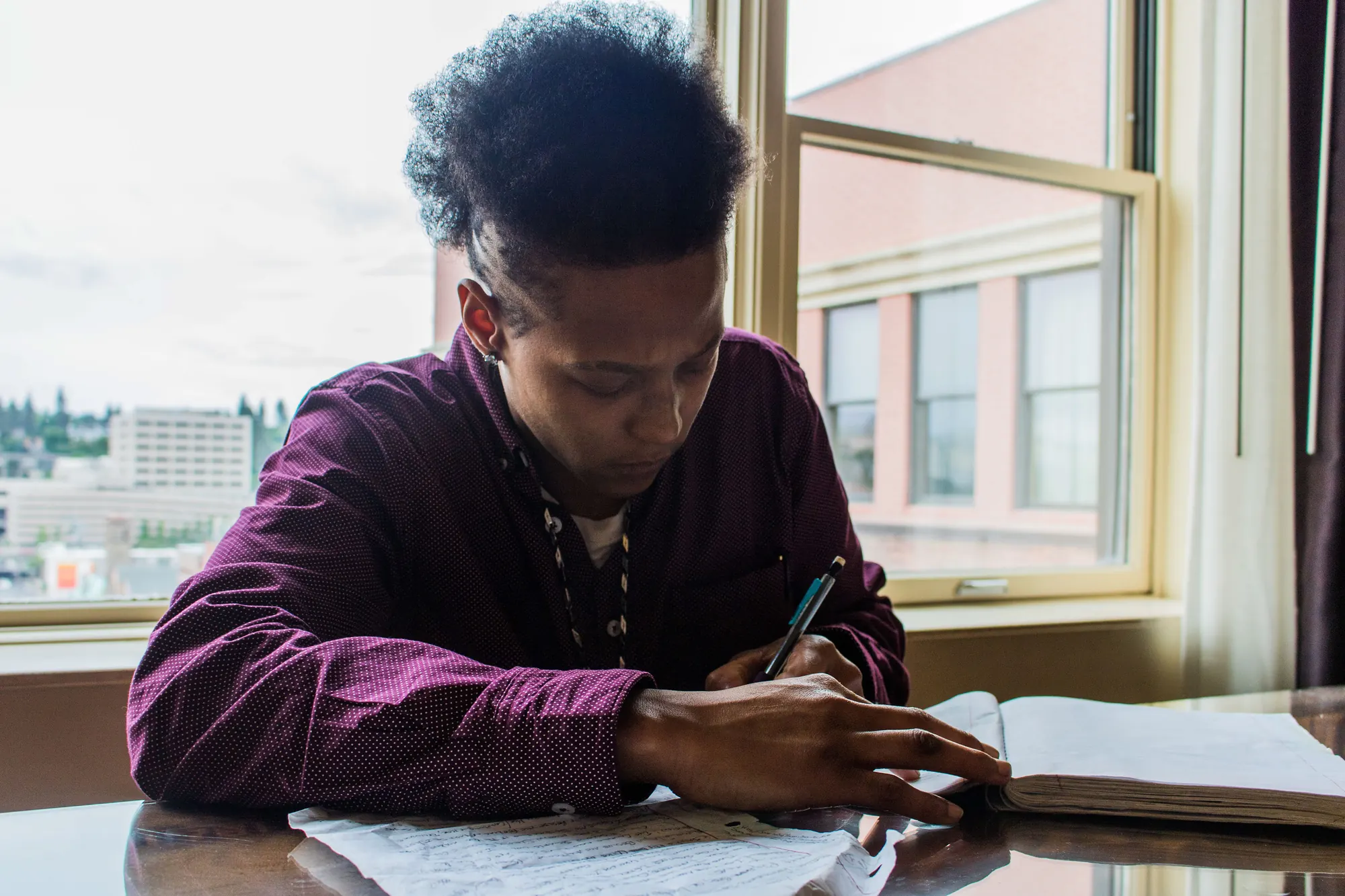
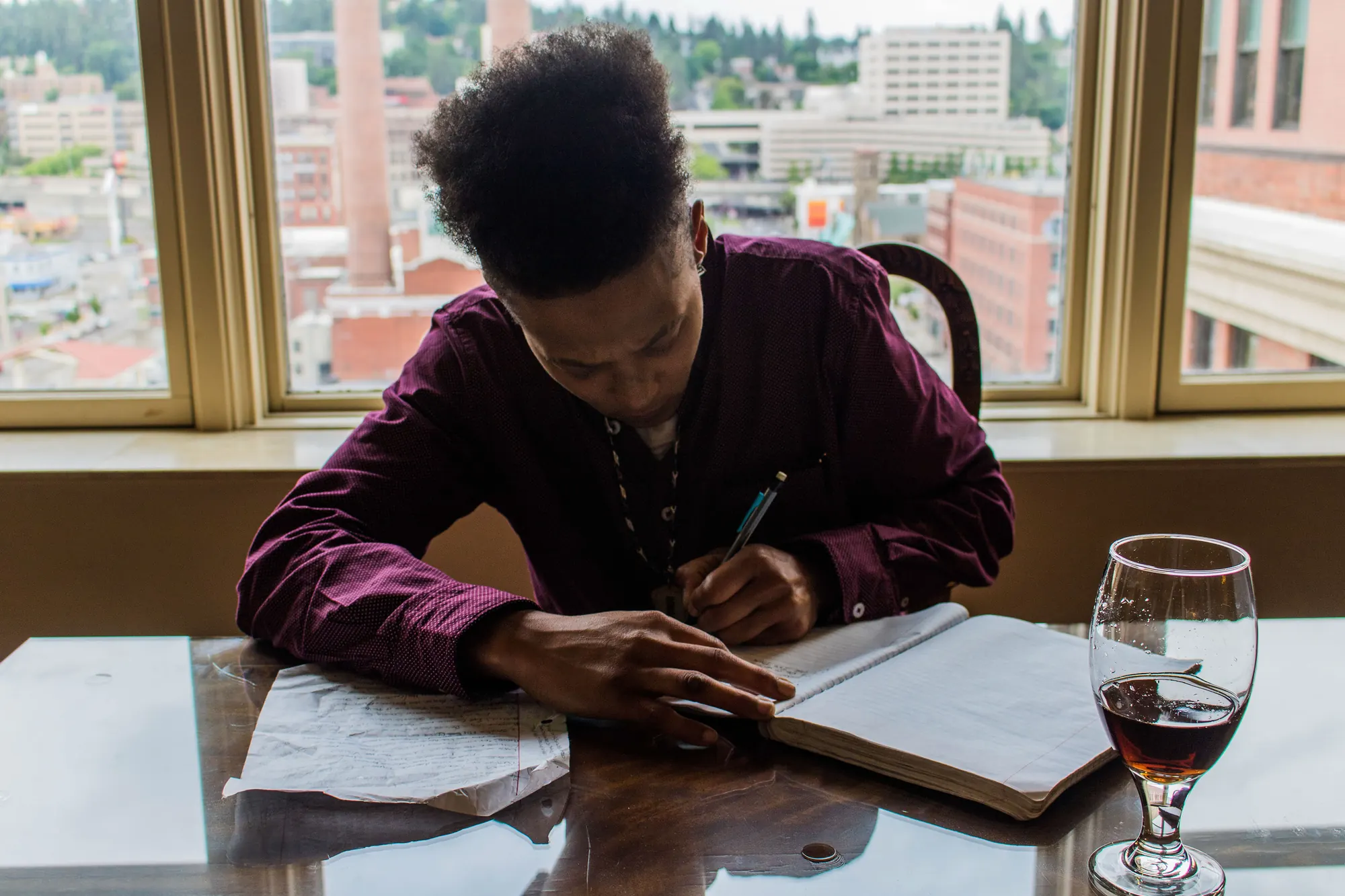
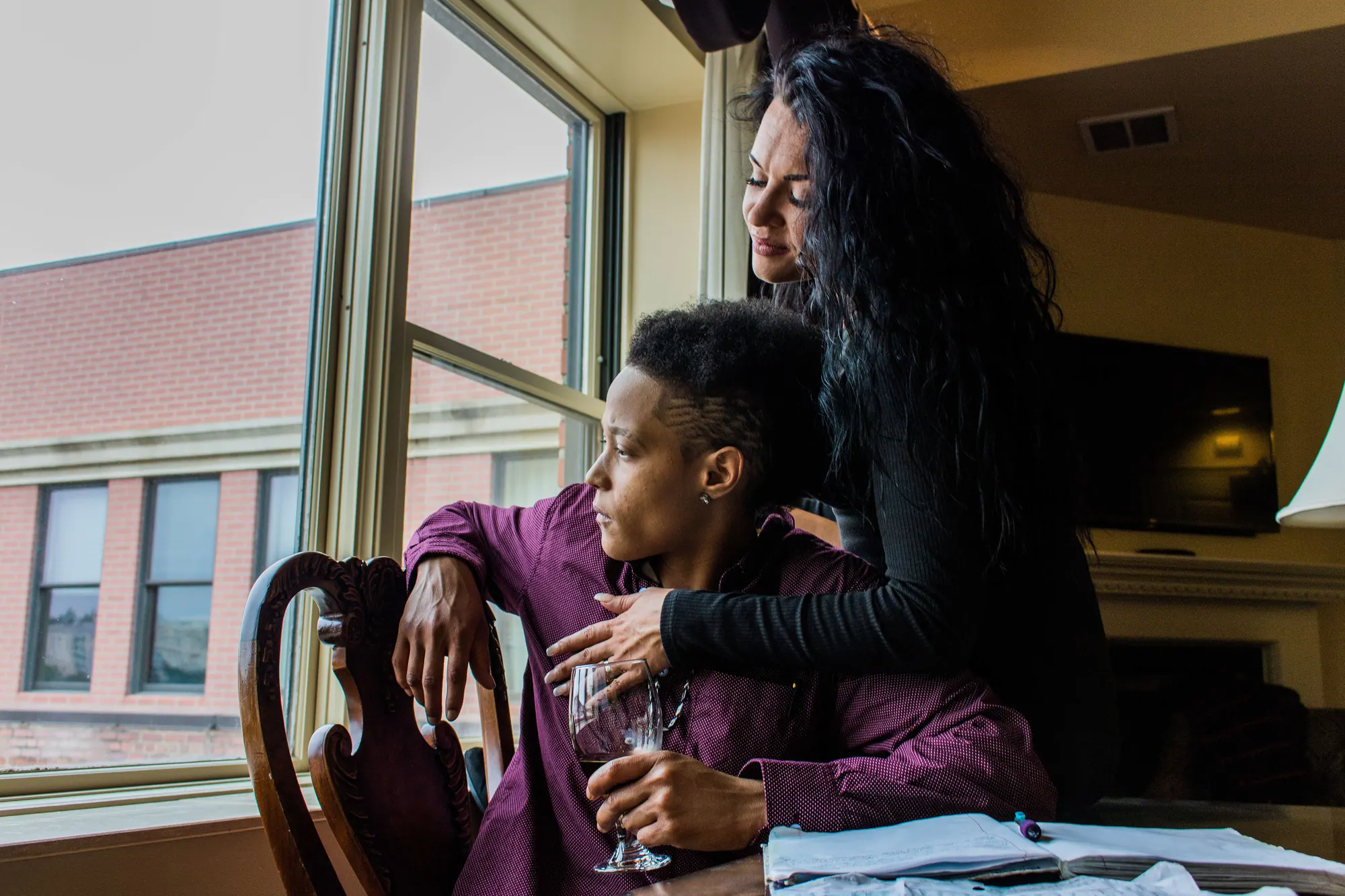
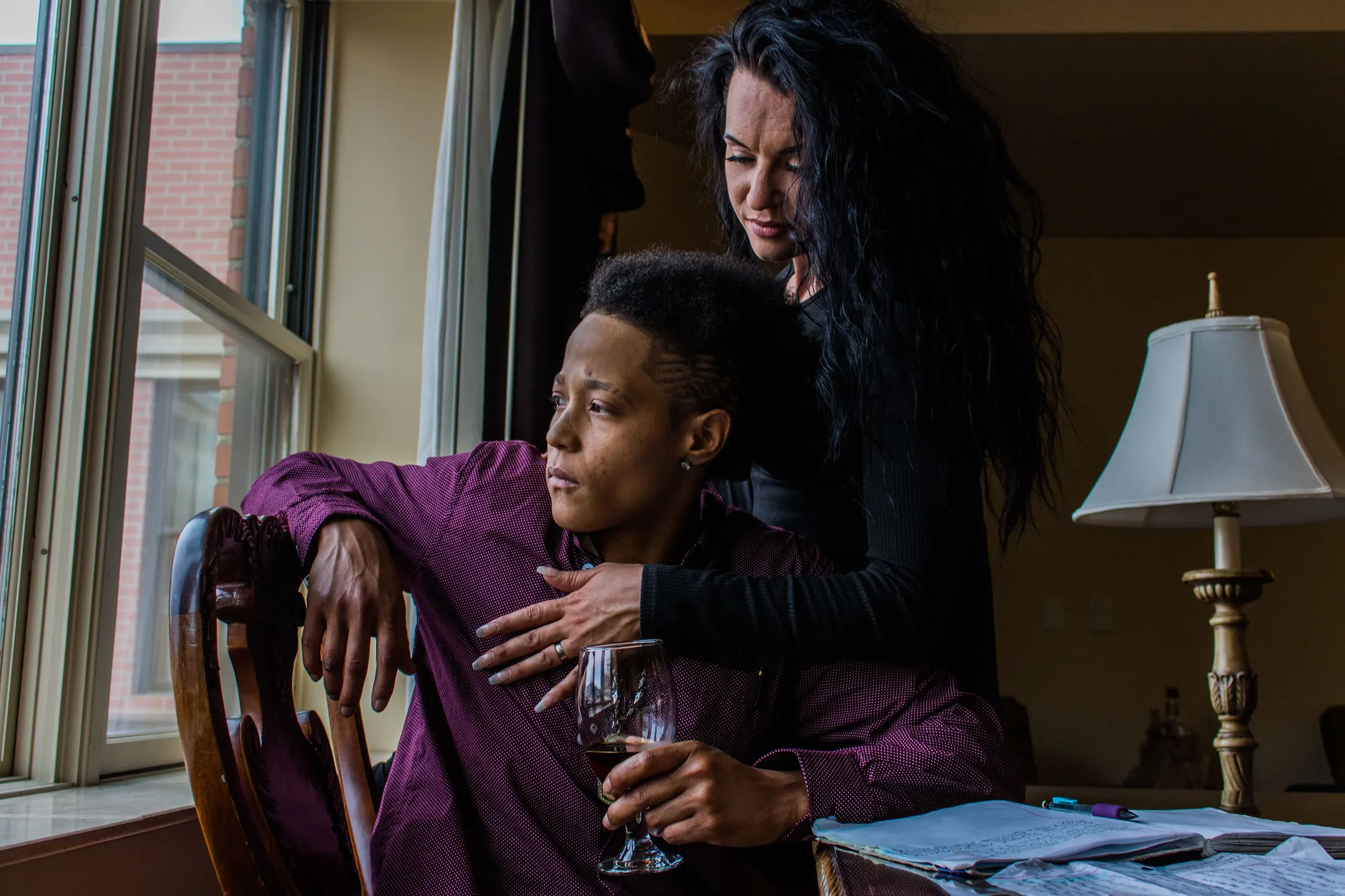
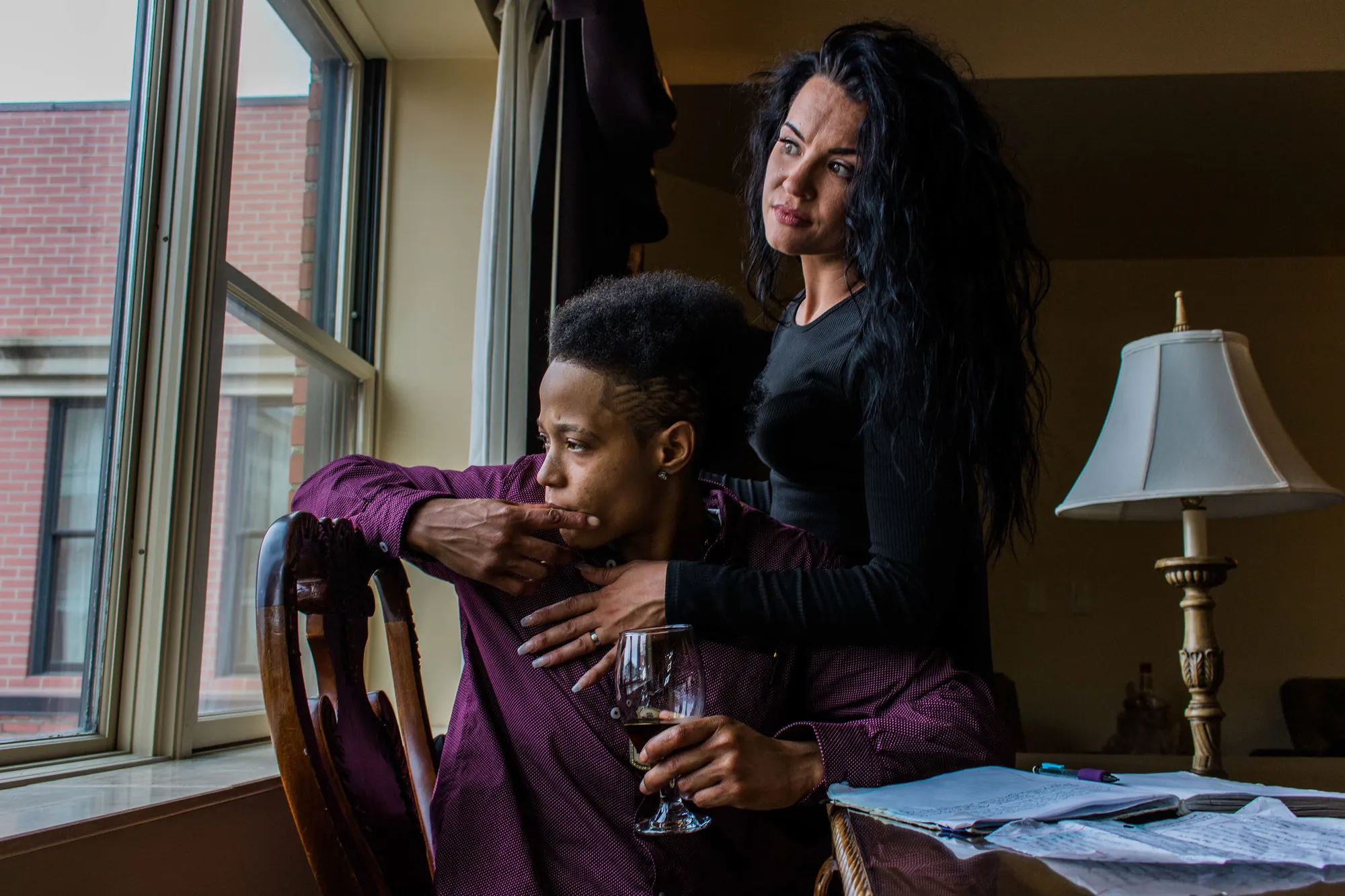
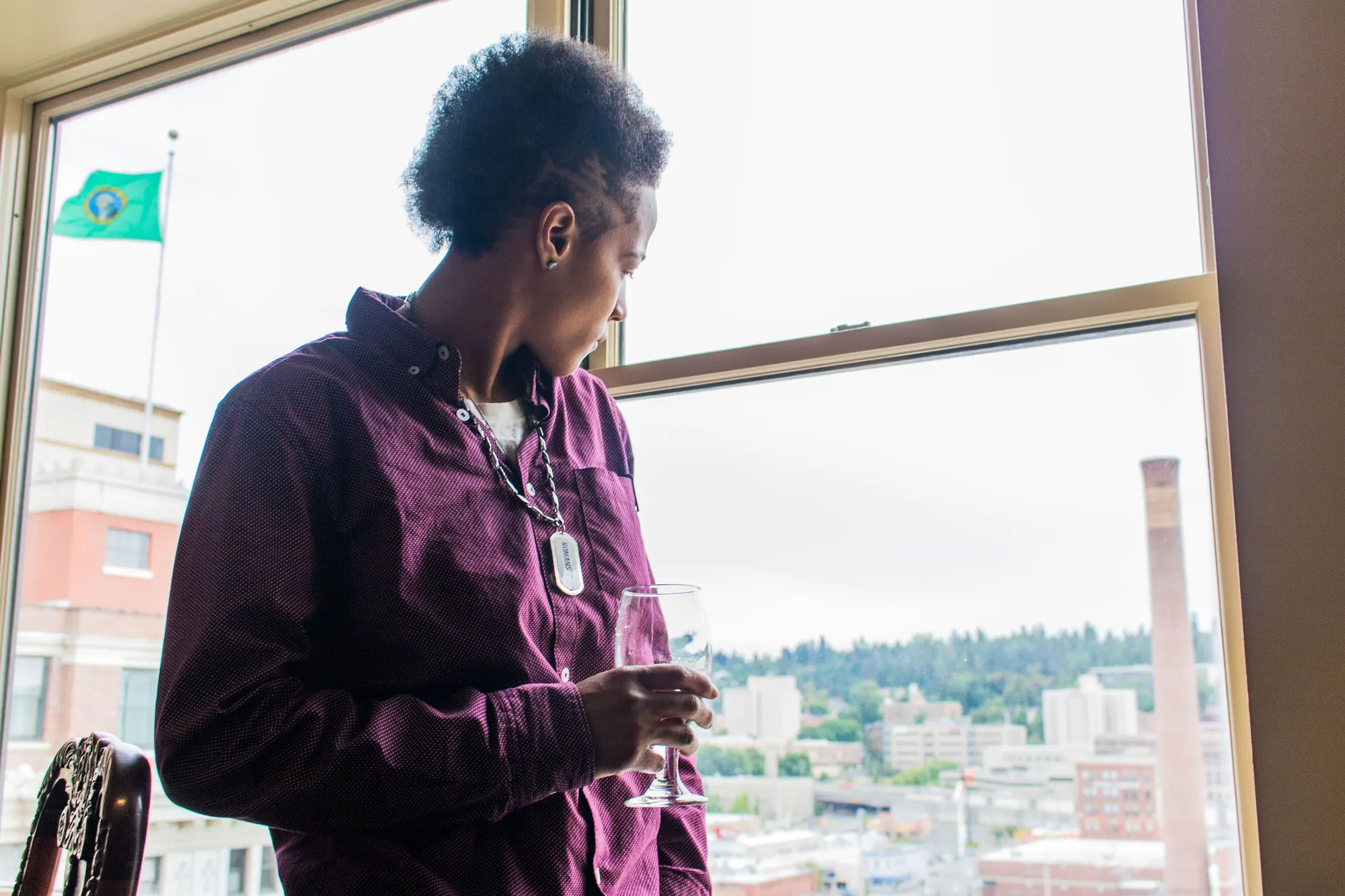
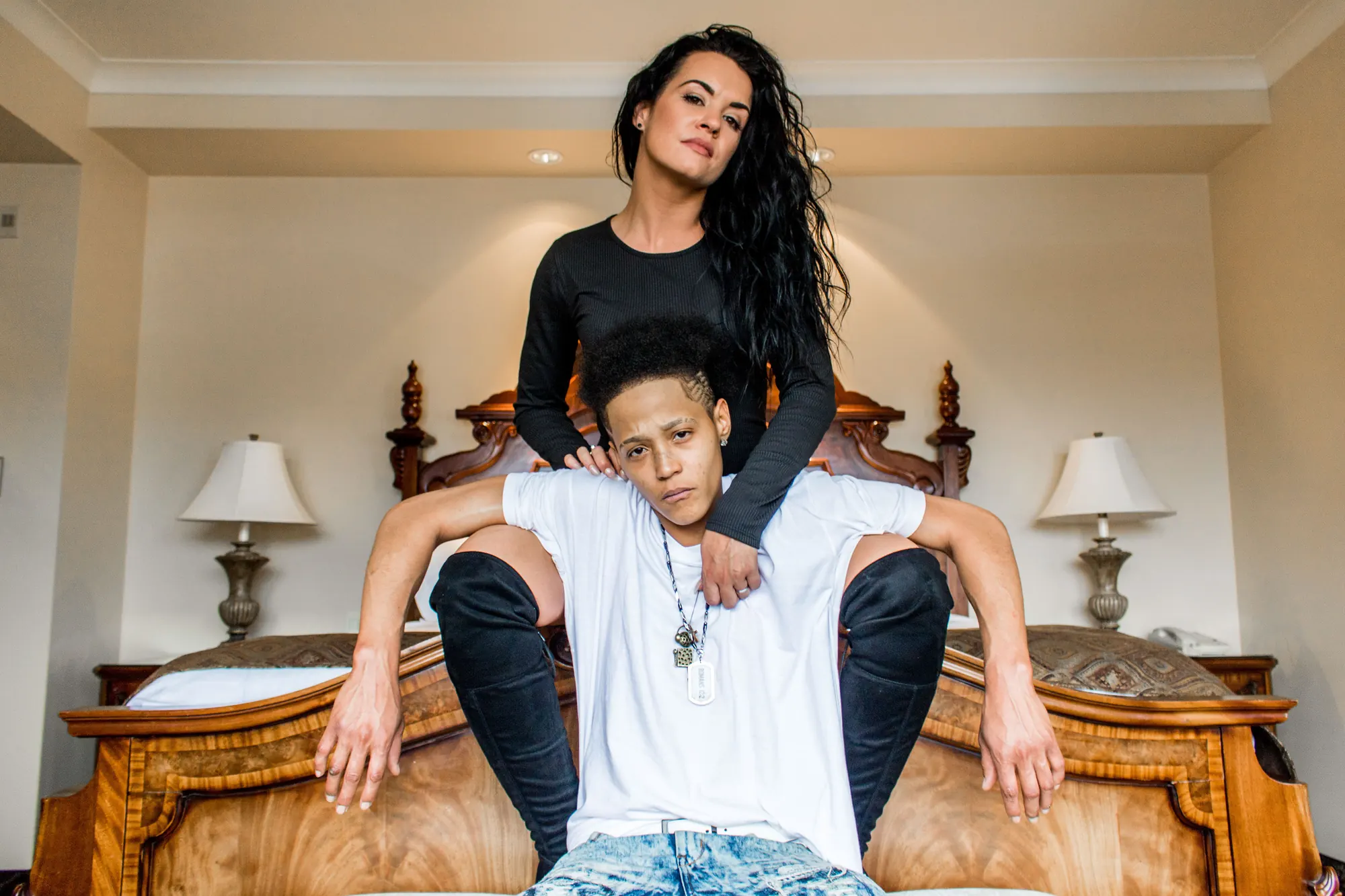
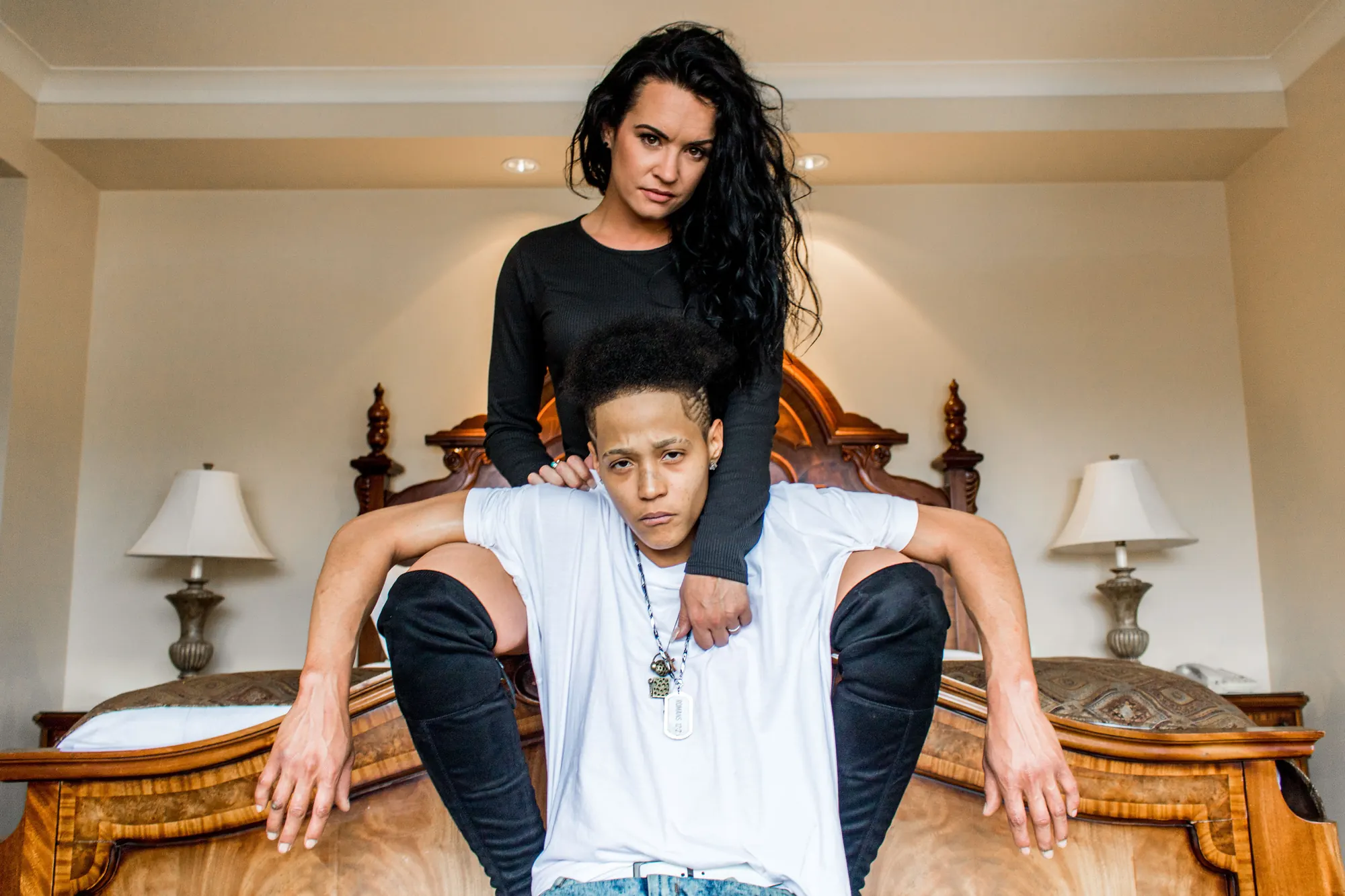
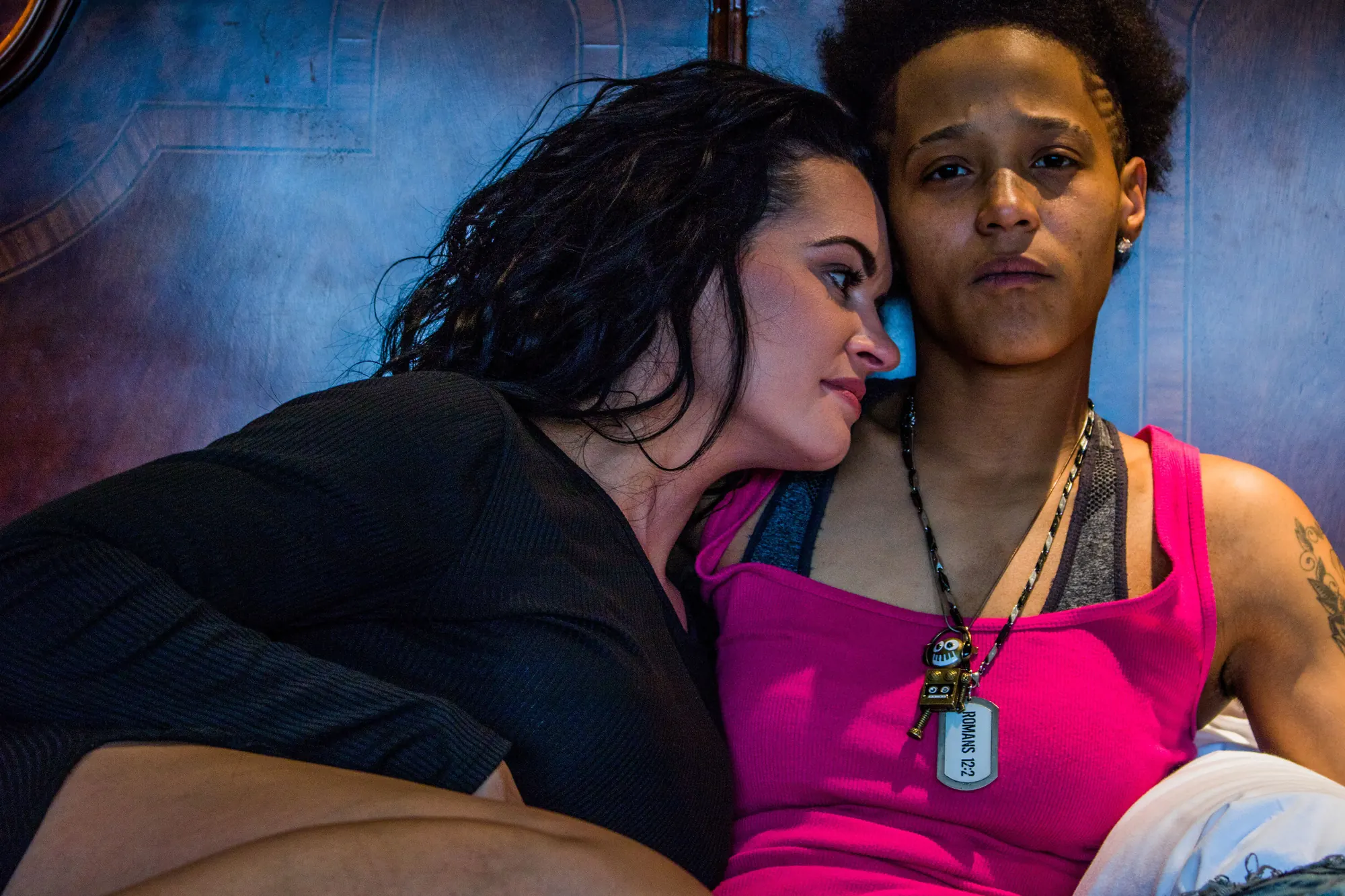
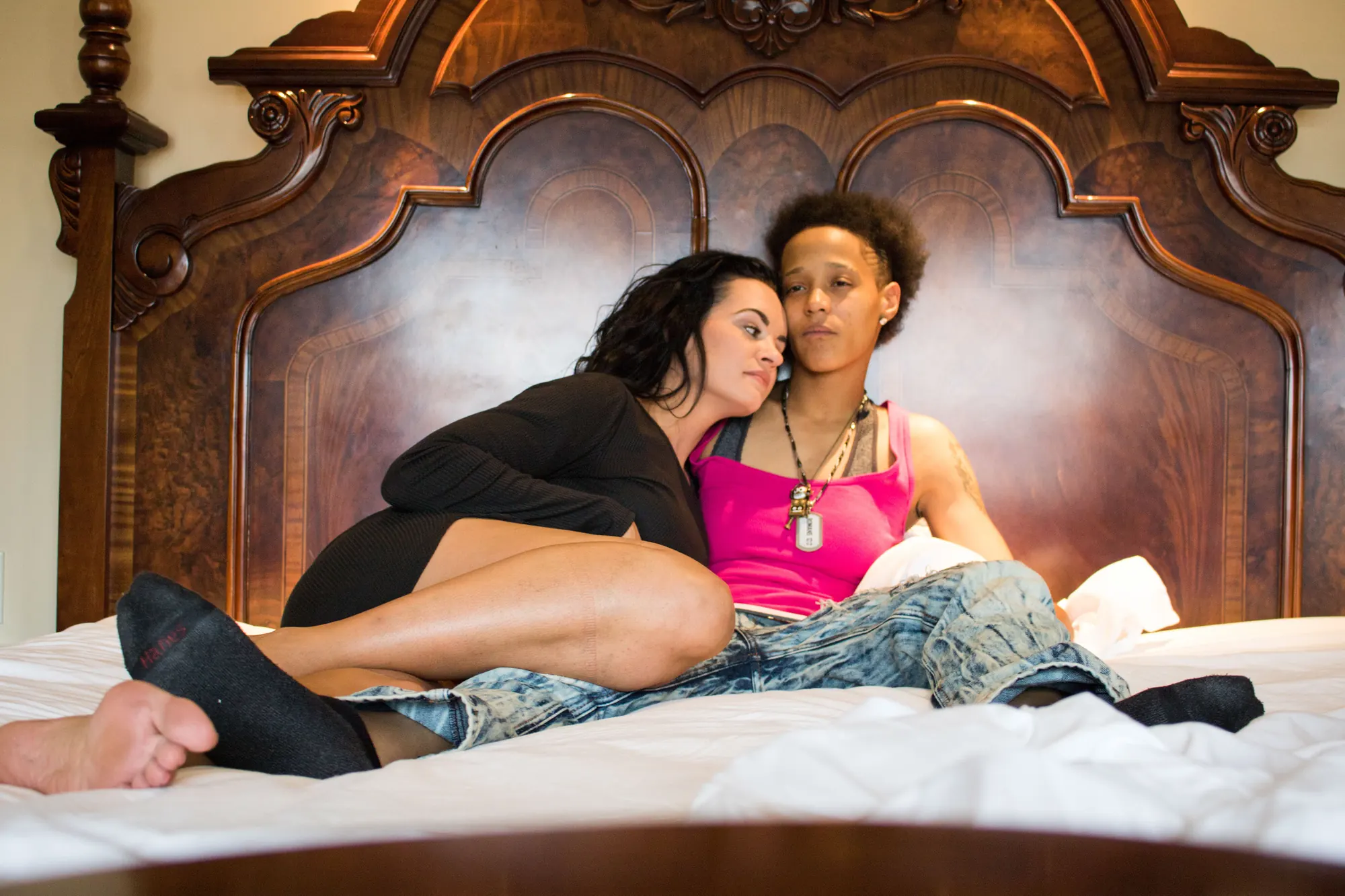
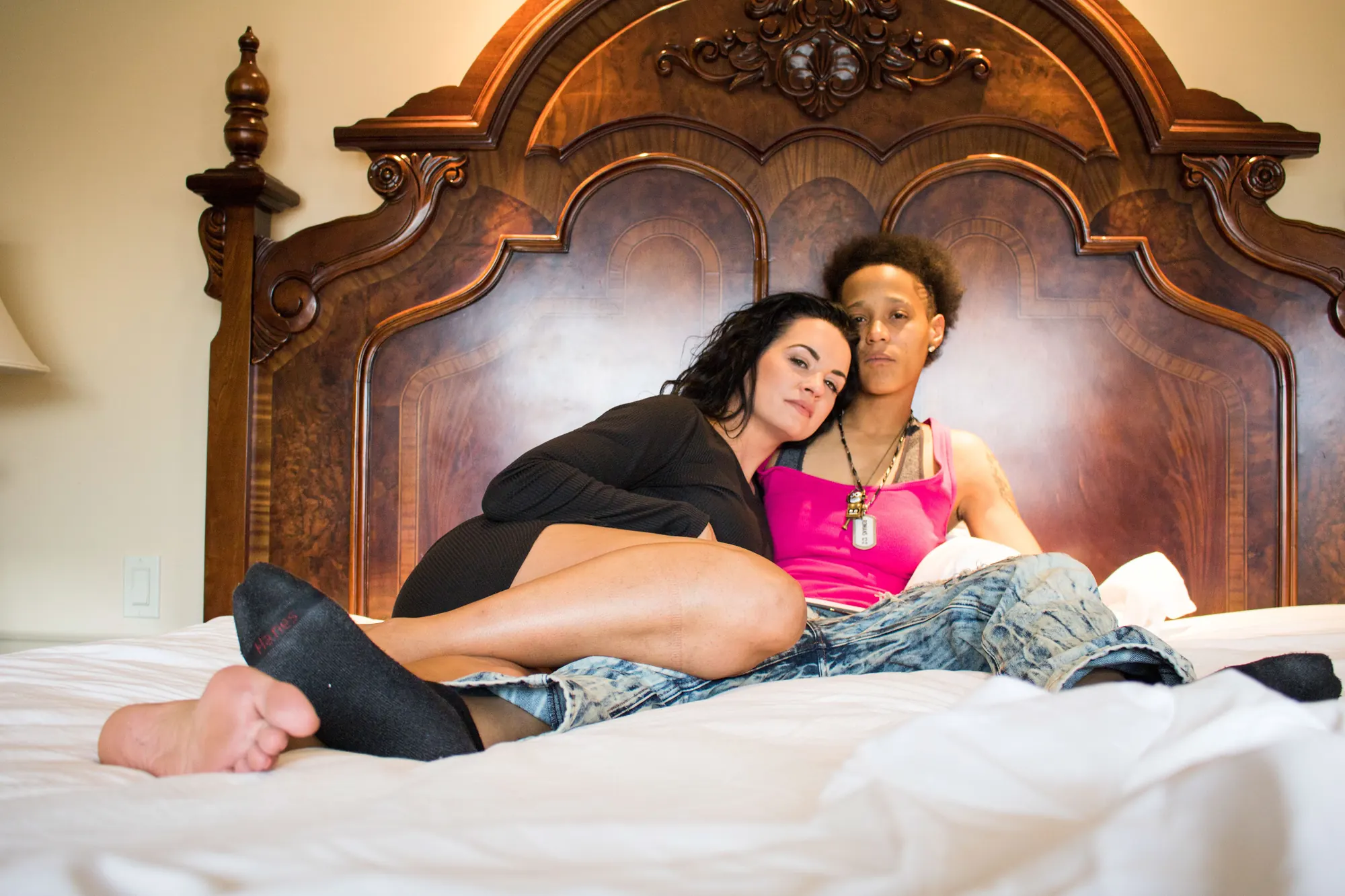
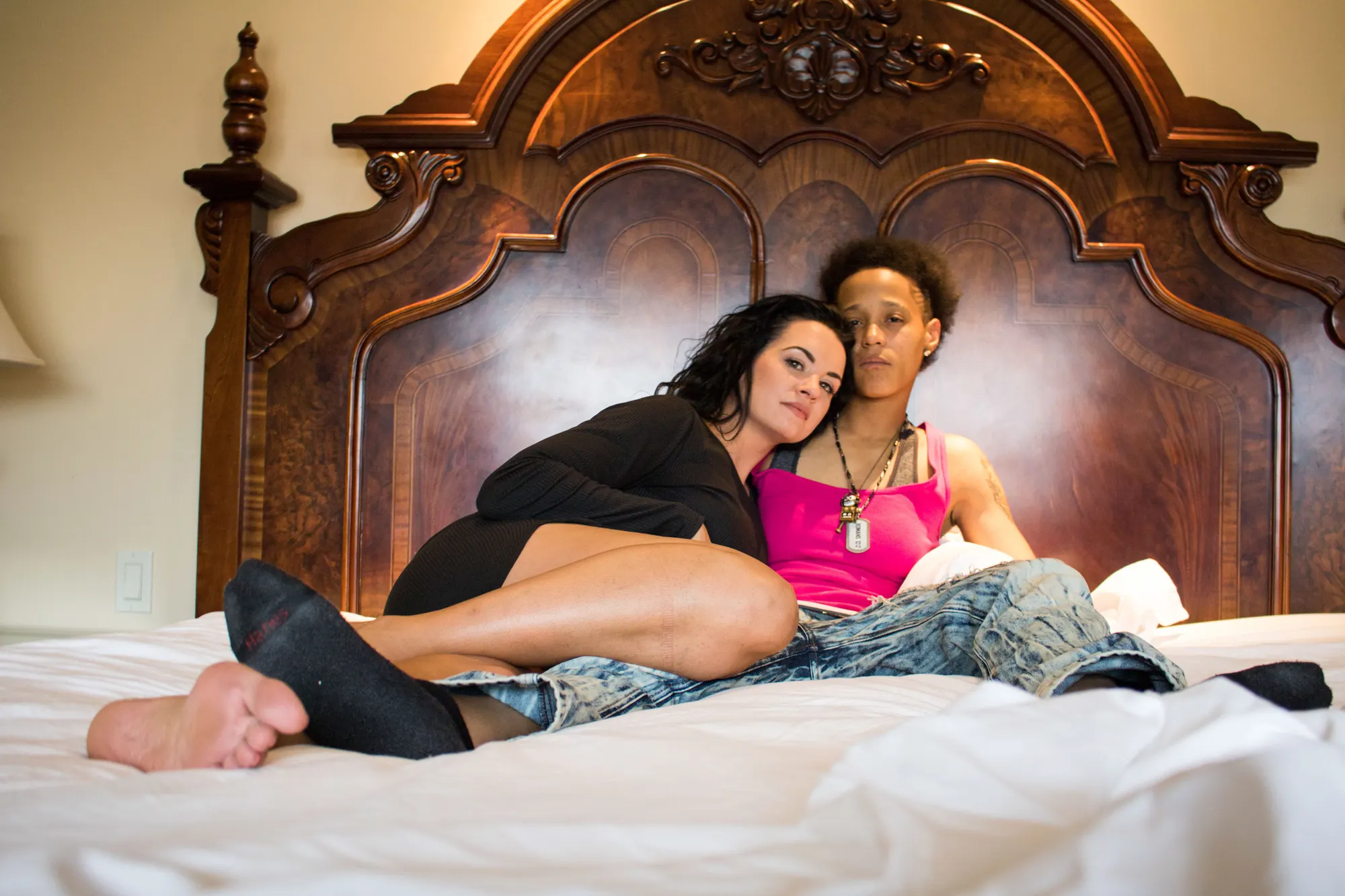
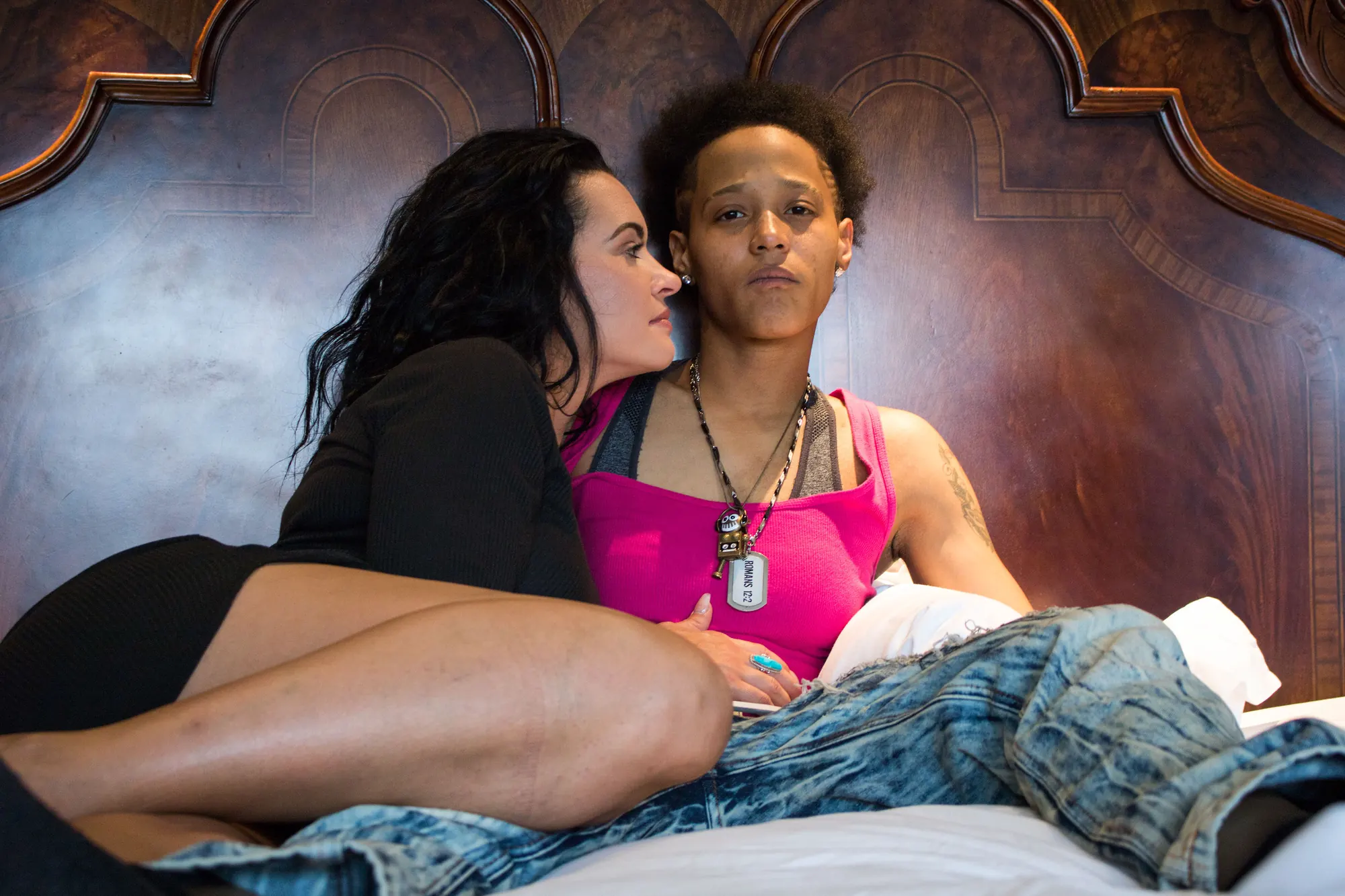
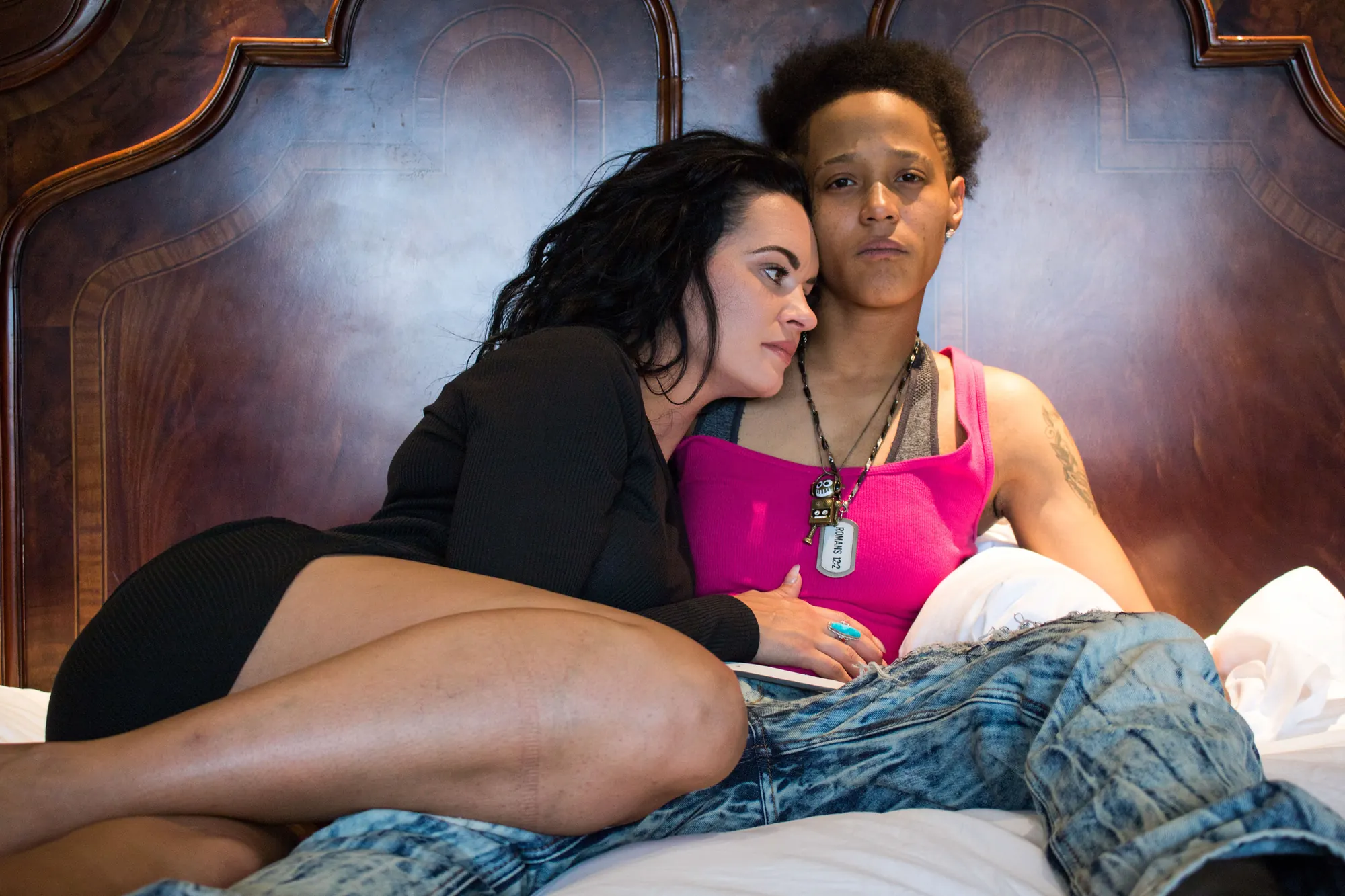
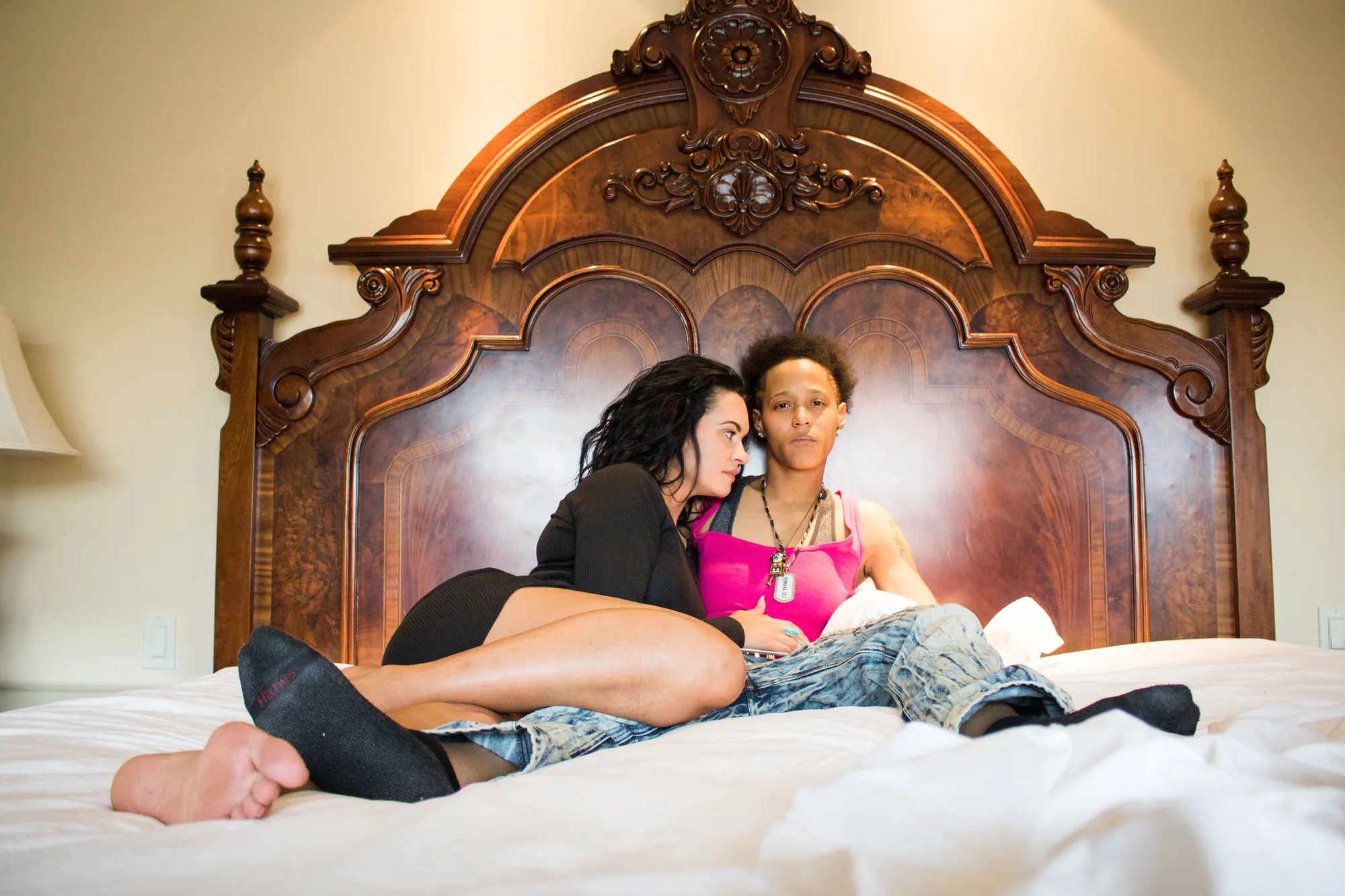
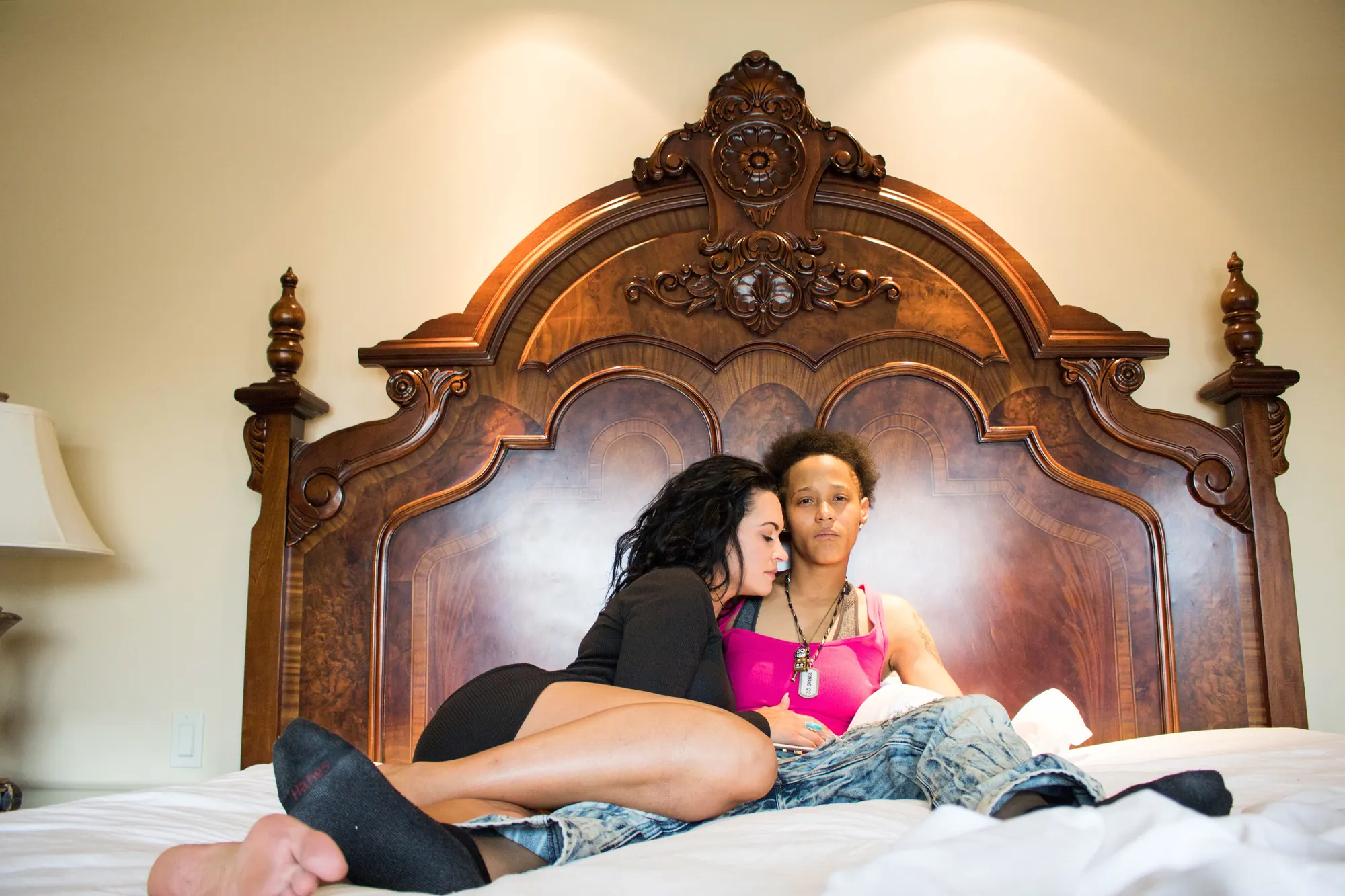
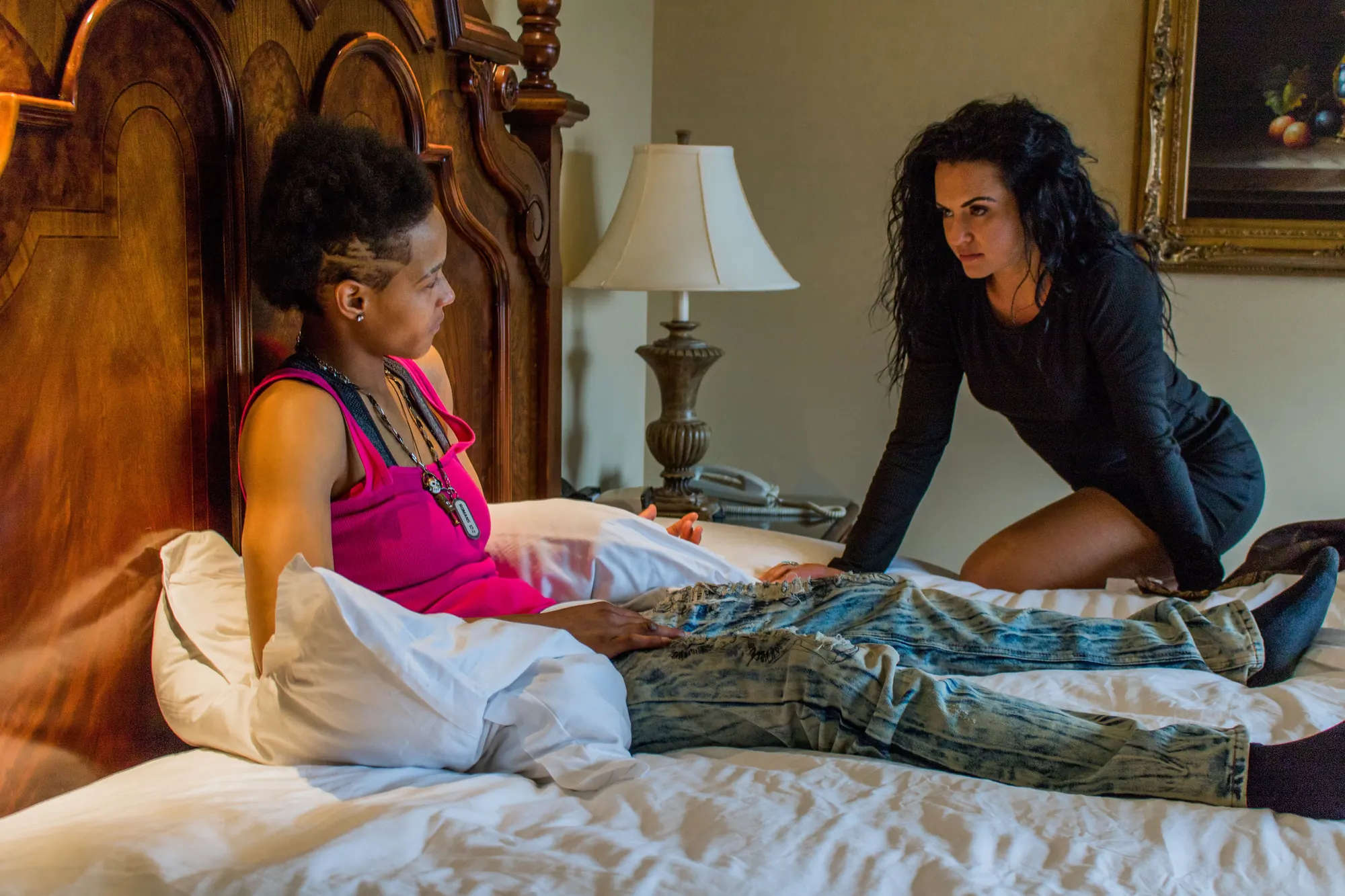
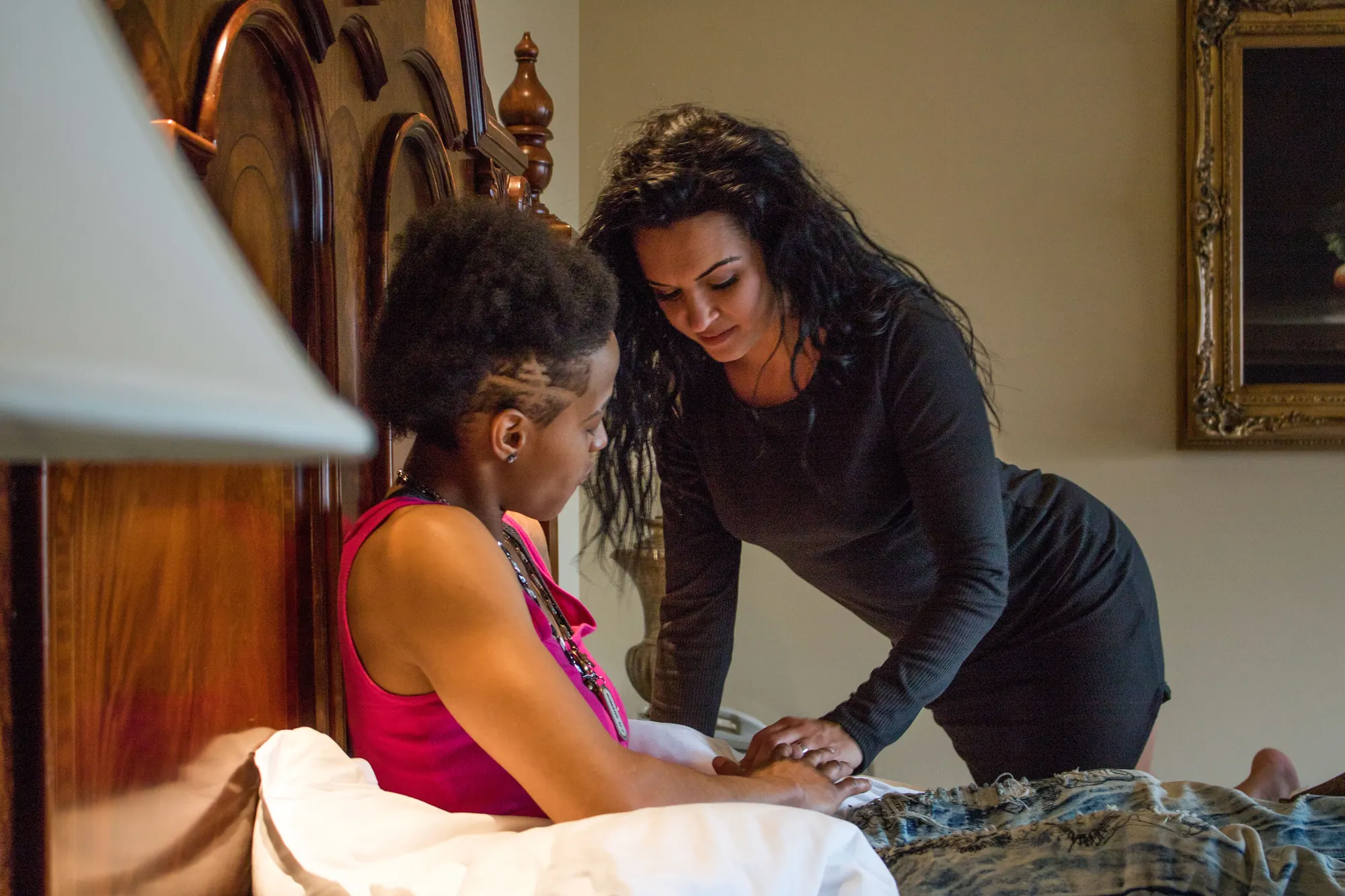
Adult content This image contains explicit material. I am 18 or older, show it You will be asked to confirm your age once.
Adult content This image contains explicit material. I am 18 or older, show it You will be asked to confirm your age once.
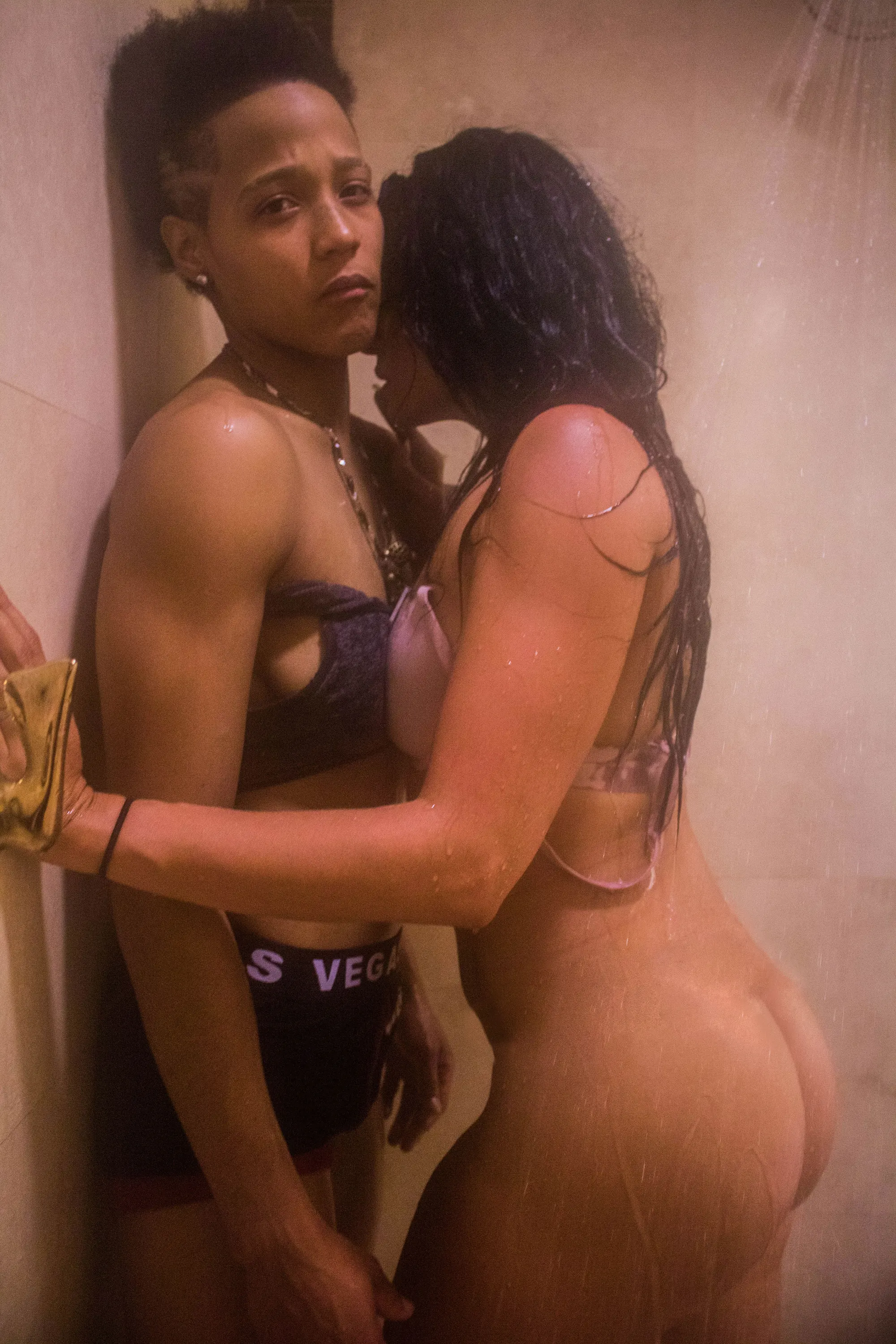
Adult content This image contains explicit material. I am 18 or older, show it You will be asked to confirm your age once.
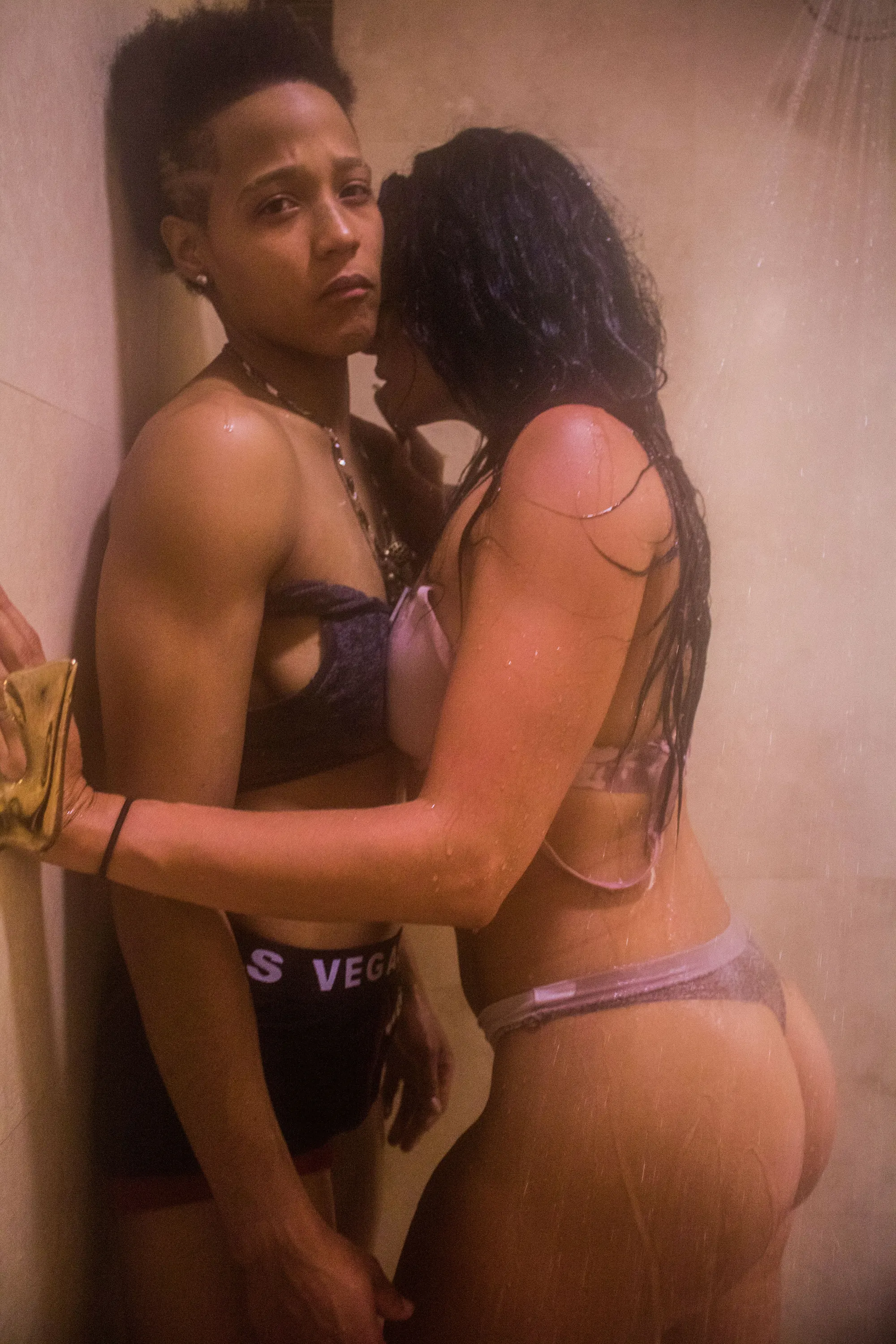
Adult content This image contains explicit material. I am 18 or older, show it You will be asked to confirm your age once.
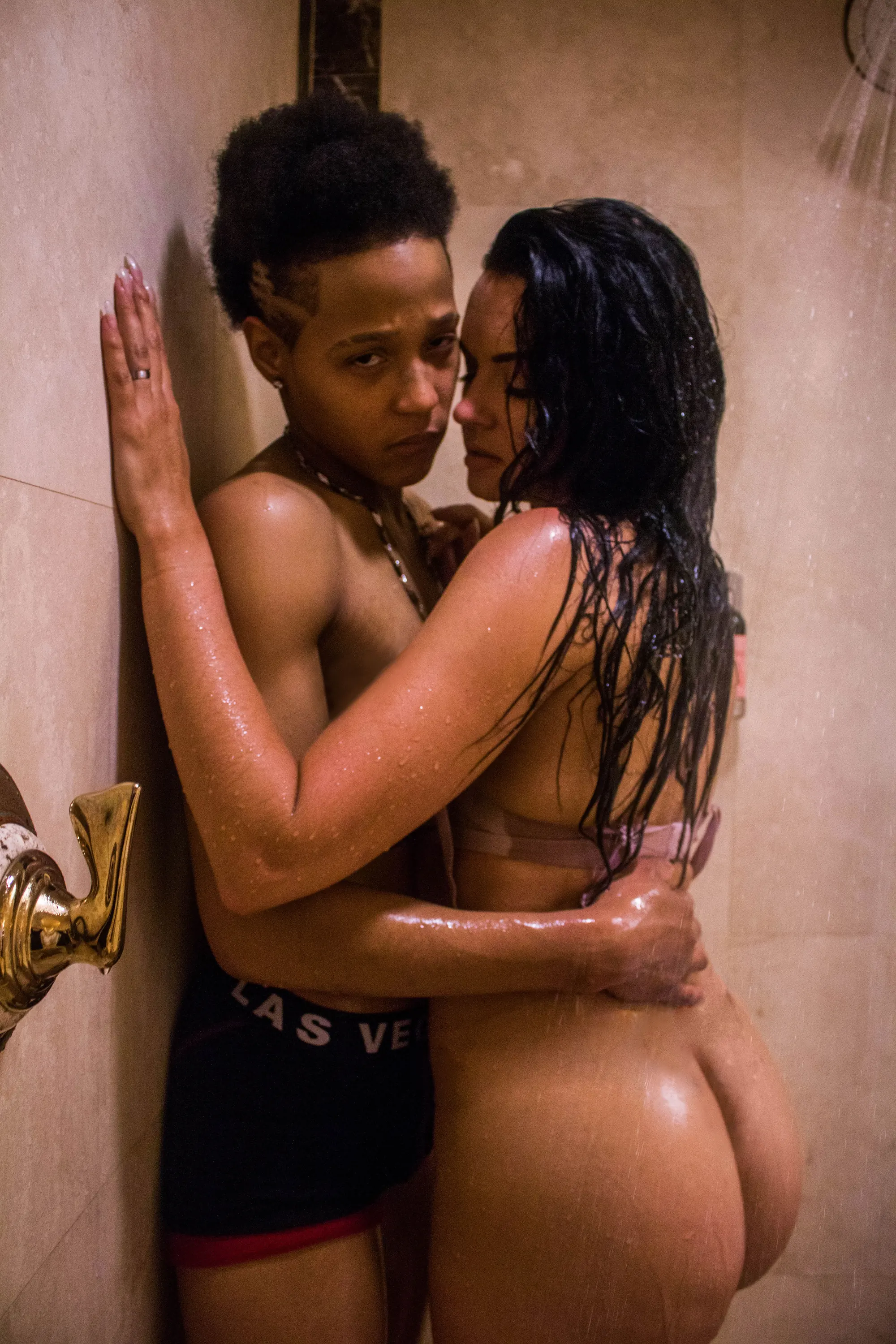
Adult content This image contains explicit material. I am 18 or older, show it You will be asked to confirm your age once.
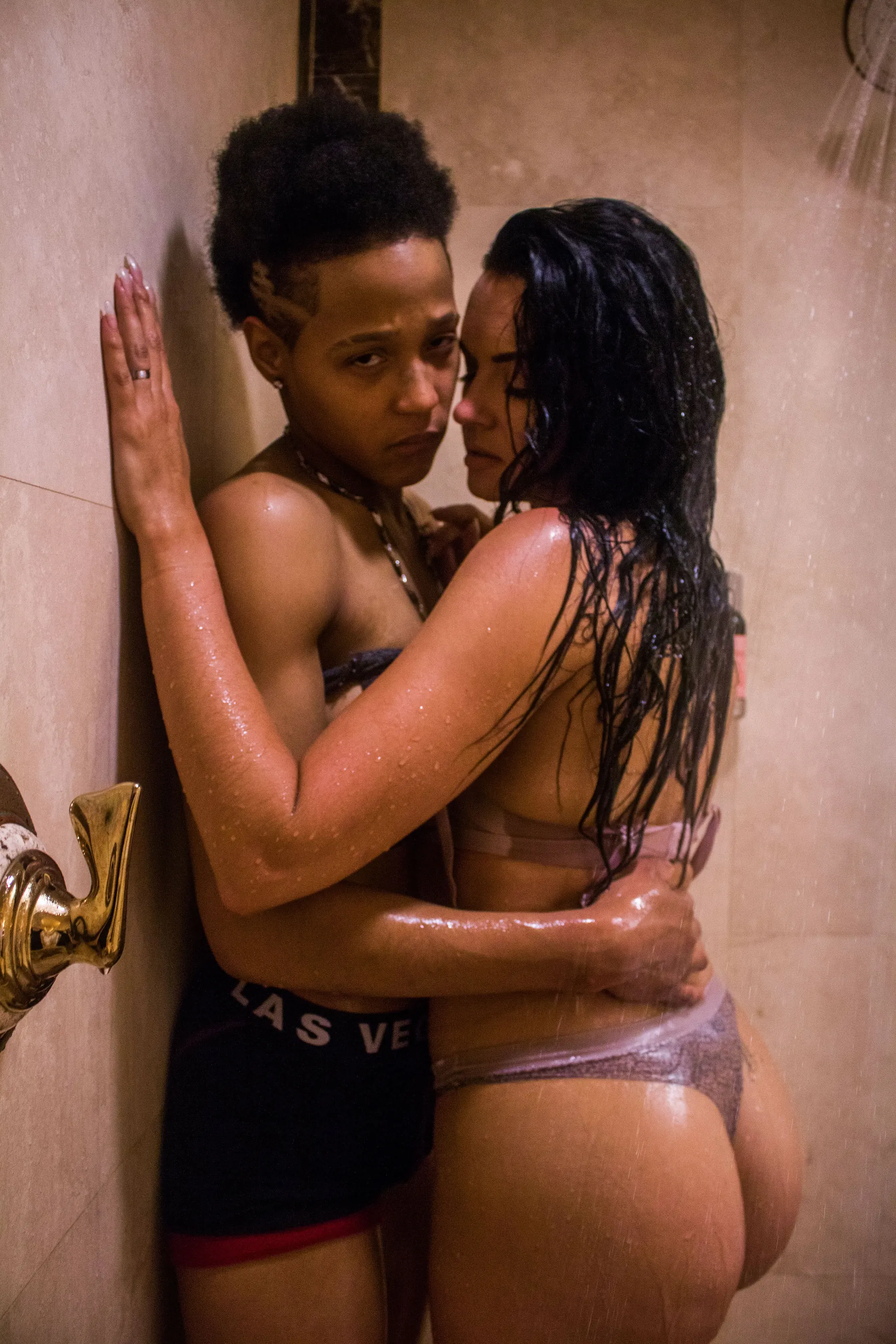
Adult content This image contains explicit material. I am 18 or older, show it You will be asked to confirm your age once.
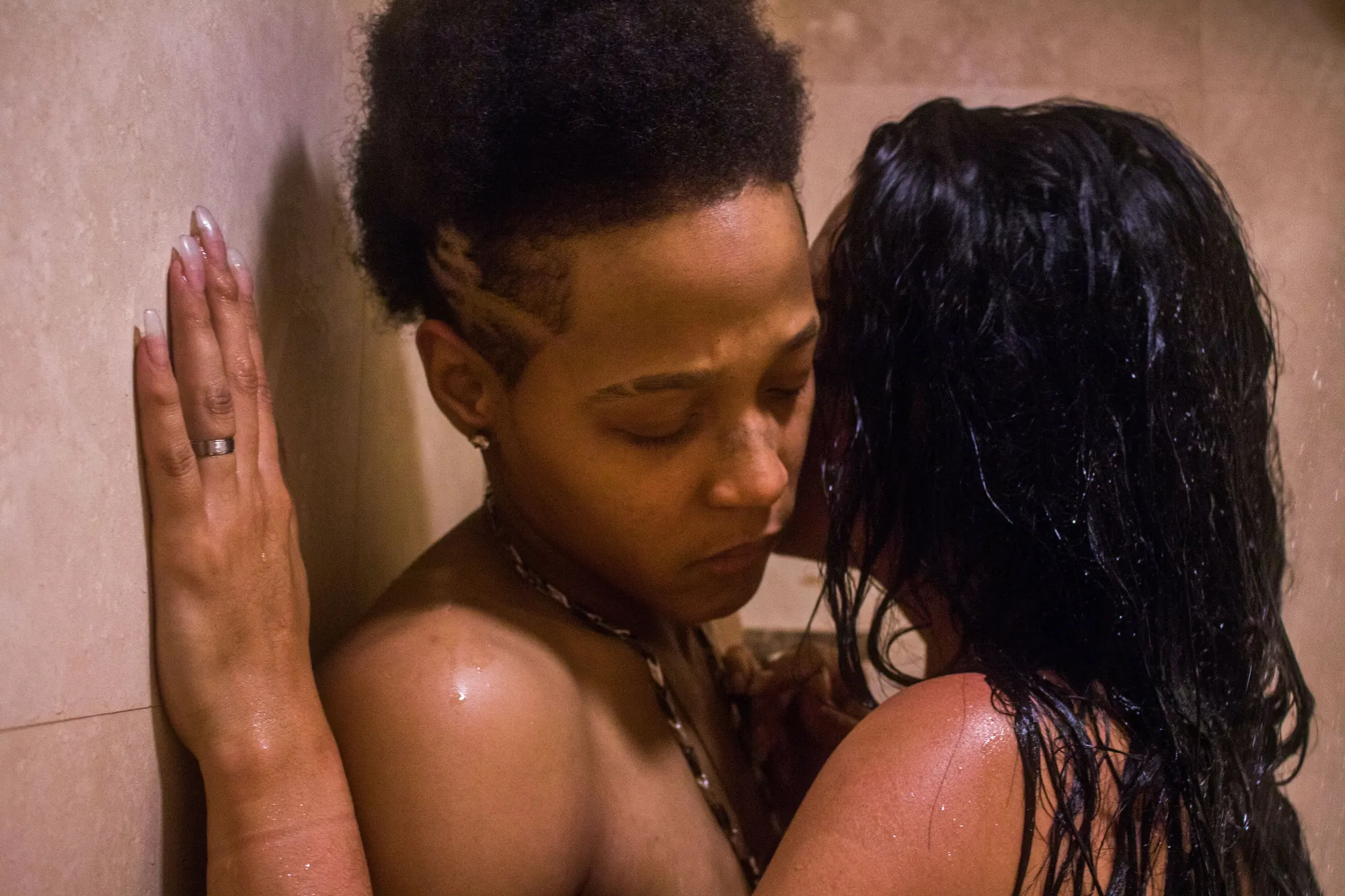
Adult content This image contains explicit material. I am 18 or older, show it You will be asked to confirm your age once.
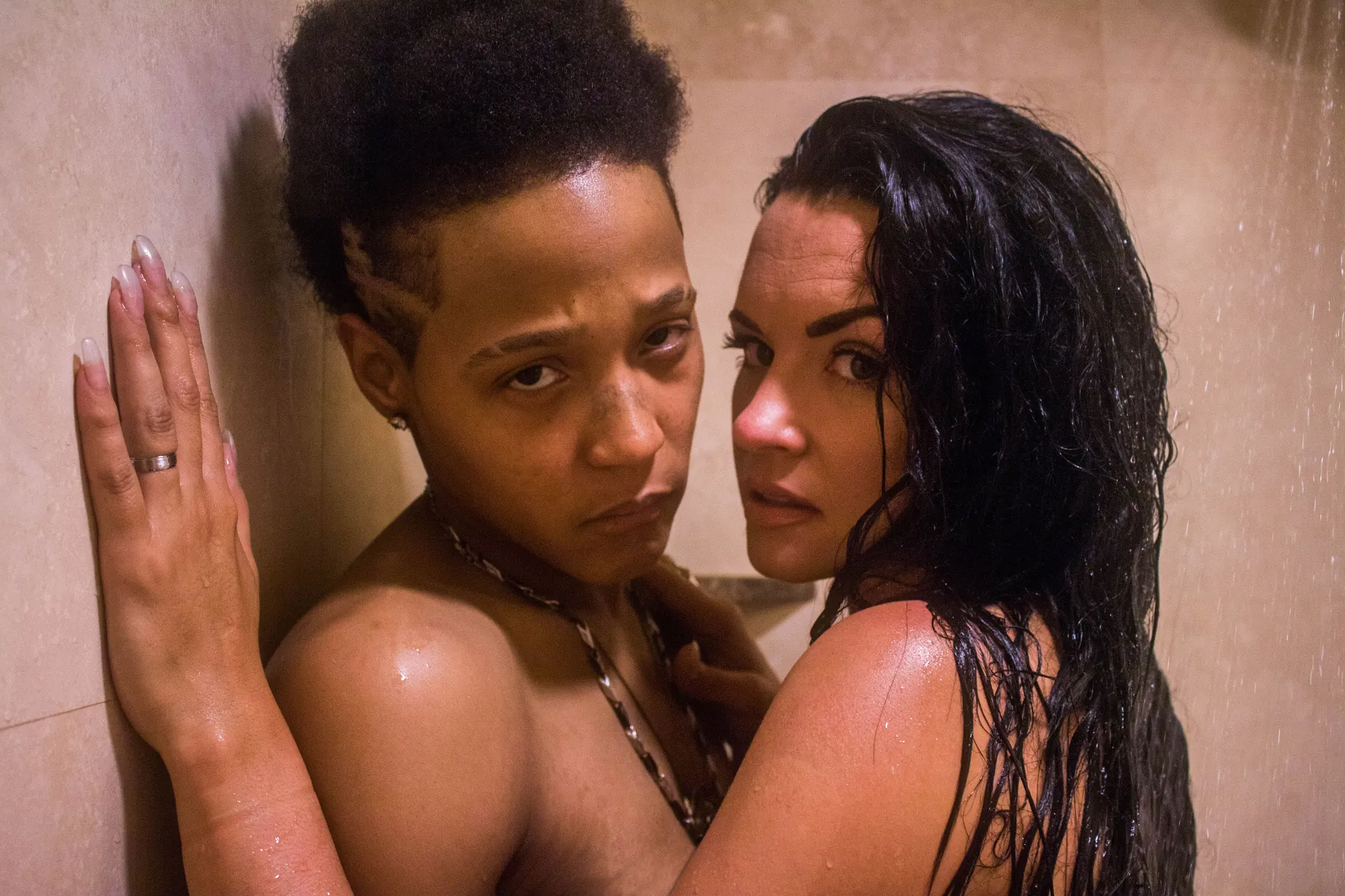
Adult content This image contains explicit material. I am 18 or older, show it You will be asked to confirm your age once.
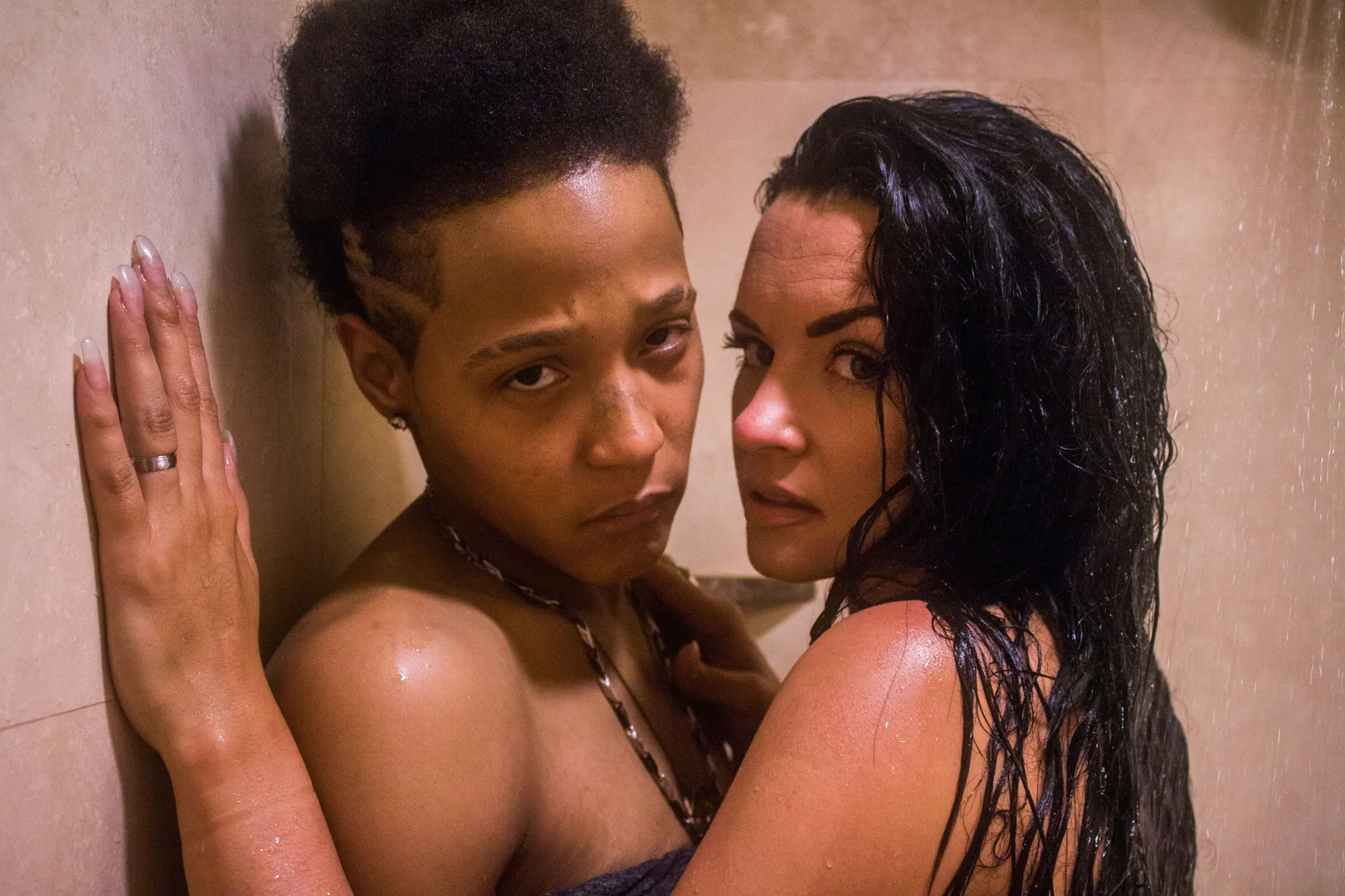
Adult content This image contains explicit material. I am 18 or older, show it You will be asked to confirm your age once.
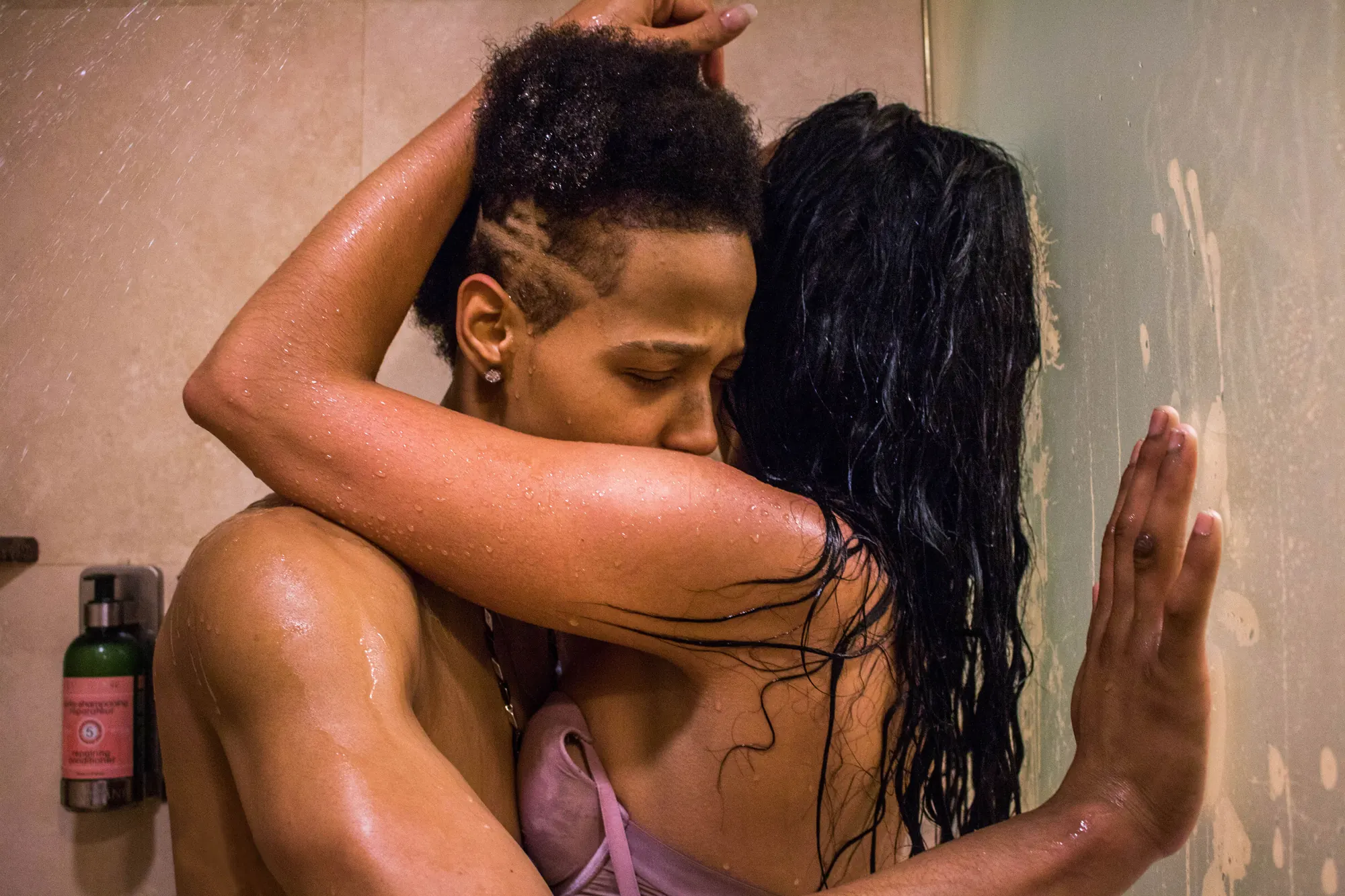
Adult content This image contains explicit material. I am 18 or older, show it You will be asked to confirm your age once.
Adult content This image contains explicit material. I am 18 or older, show it You will be asked to confirm your age once.
Adult content This image contains explicit material. I am 18 or older, show it You will be asked to confirm your age once.
Adult content This image contains explicit material. I am 18 or older, show it You will be asked to confirm your age once.
Adult content This image contains explicit material. I am 18 or older, show it You will be asked to confirm your age once.
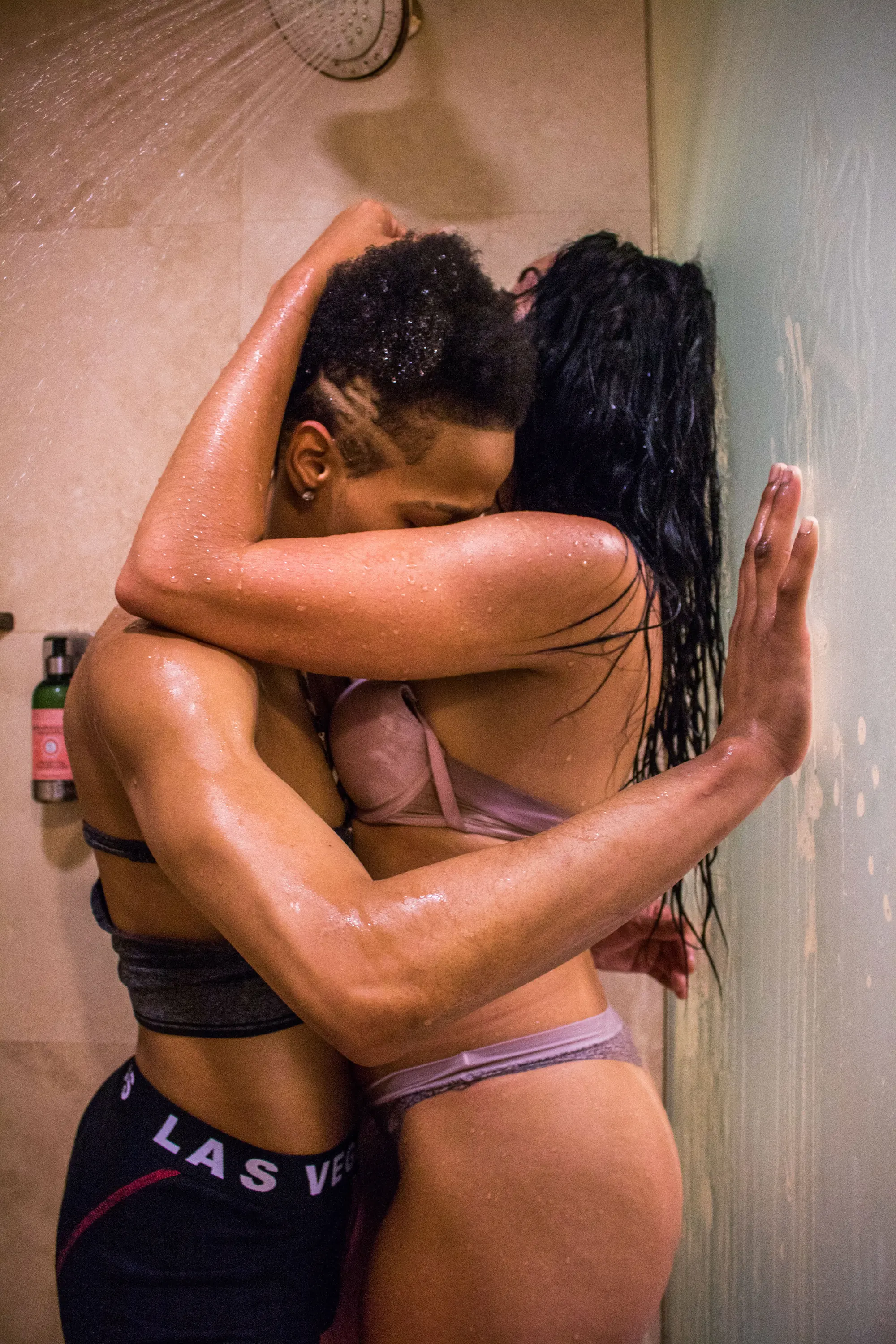
Adult content This image contains explicit material. I am 18 or older, show it You will be asked to confirm your age once.
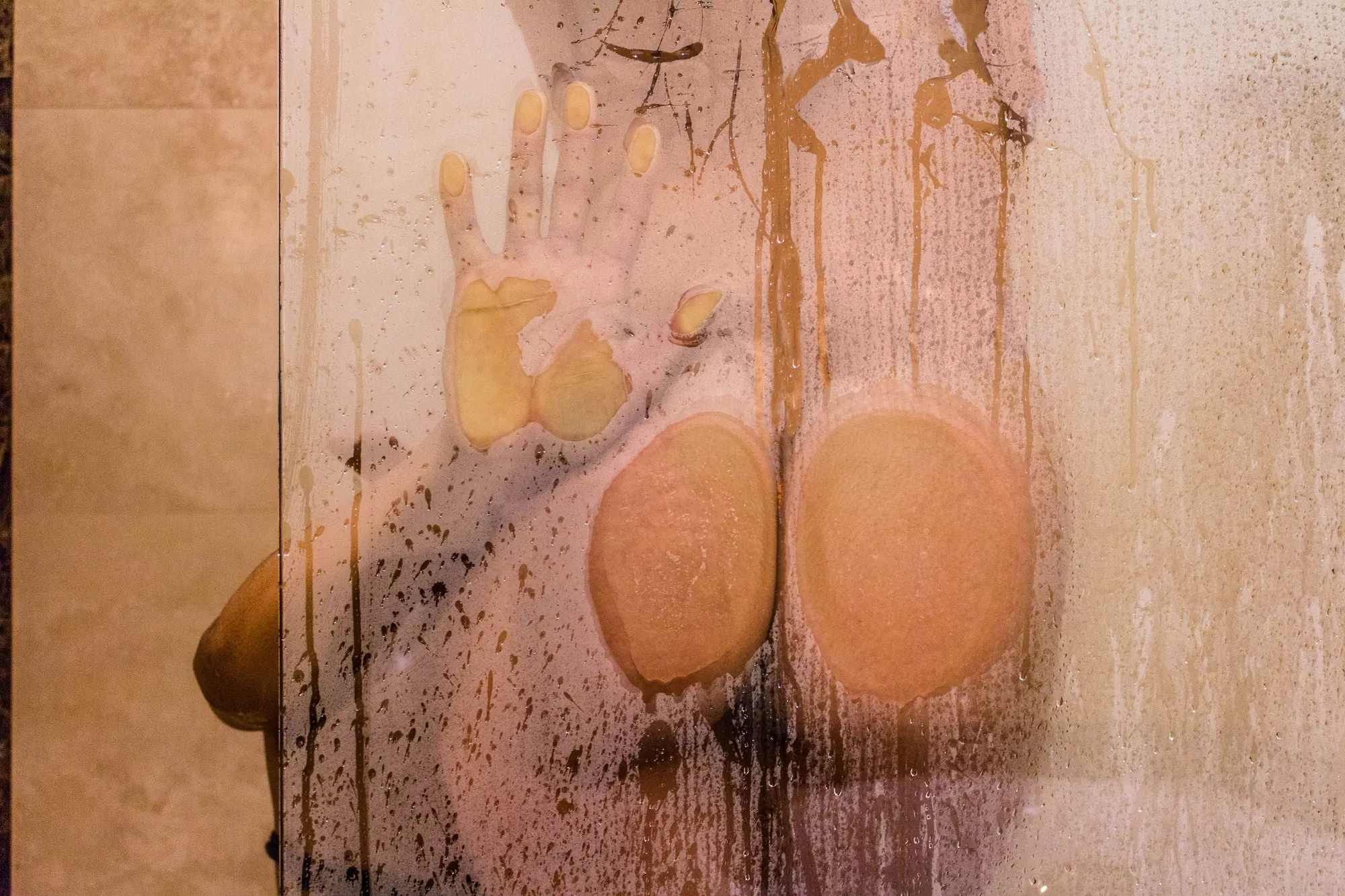
Adult content This image contains explicit material. I am 18 or older, show it You will be asked to confirm your age once.
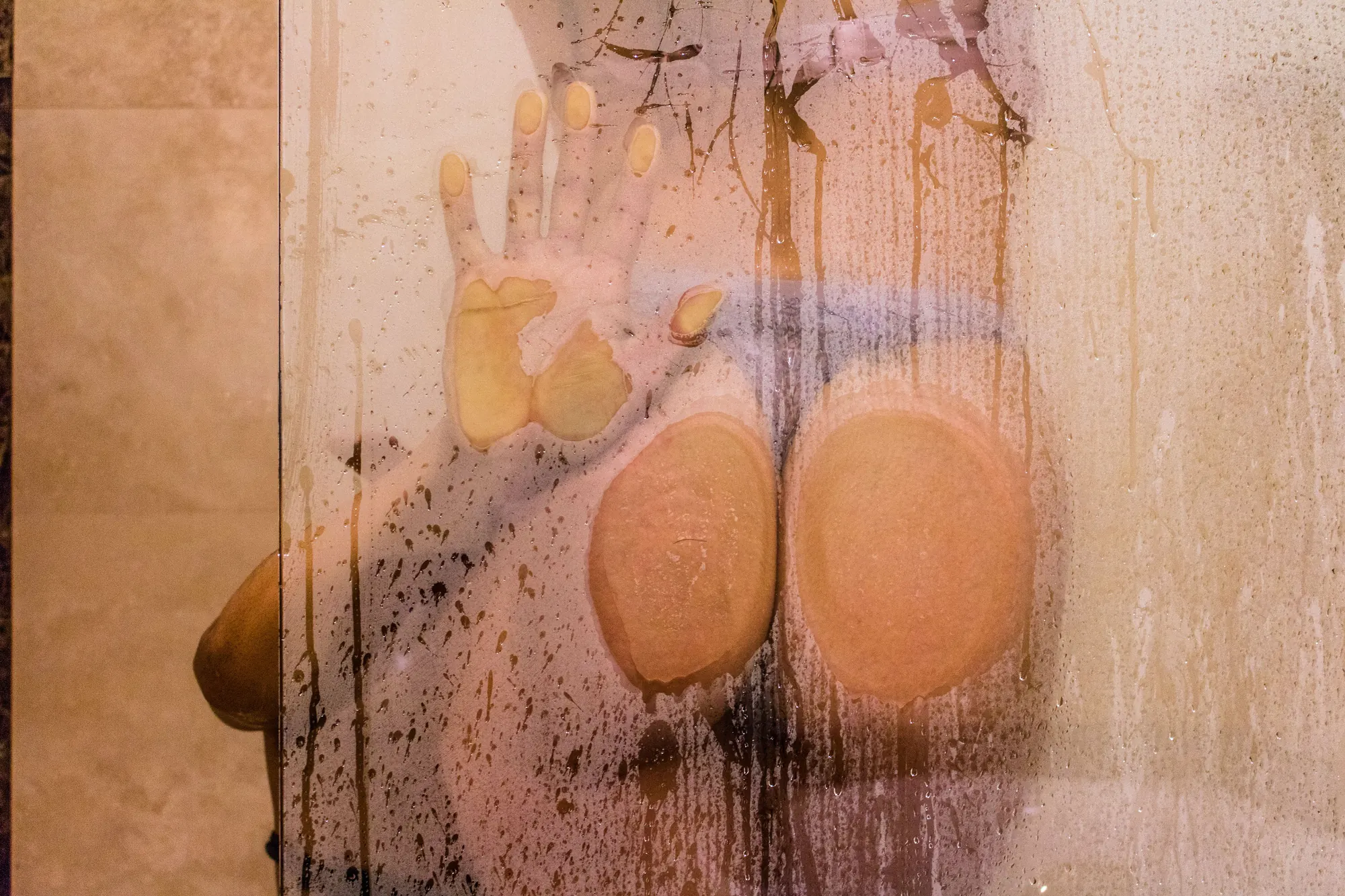
In their words
"
/Behind the scenes
Working across multiple locations with the cast over those weekends was genuinely exciting. New places, new setups, and a lot of energy on set made the production side of this one of the more memorable shoots I have done.
/Index
- 2019
- Brand & Identity, Graphics & Advertising, Web & Product, Film & Video, Motion & Animation, Photography
- Creative Director, Video Editor, Motion Designer, Videographer, Photographer
- Social Media Images, Social Media Branding, Social Media Videos, Promo Video, Music Video, over 50 photos, Logo Design, Website
- Adobe Photoshop, Adobe Lightroom, Adobe After Effects, Adobe Premiere Pro, Adobe Illustrator
- Canon Rebel t6i, Canon EF 50mm f/1.8 II
- Album Promo, Graphic Design, Videography, Photography, Motion Design, Web Design