Most of this piece is adult content. You will be asked to confirm your age once.
Genteel Fine Grooming Co.
EI designed the full brand identity and sales platform for a grooming startup, then watched them walk away before any of it had time to work.
A pomade brand built from scratch that quit before the engine could run
- Categories
- Brand & Identity, Graphics & Advertising, Web & Product, Film & Video, Motion & Animation, Photography
- Role
- Creative Director, Graphic Designer, Web Designer, Developer
- Software
- Adobe Photoshop, Adobe Illustrator, Adobe Lightroom
- Language
- Framework
- Script
- Hardware
- Service
/Live References
The story
/2 Videos
Genteel Fine Grooming Co. had a pomade and a name. What they did not have was a label, a website, a way to take payment, or a single marketing asset. In 2019, I came on as their creative director and built all of it: the product label, the visual identity, the e-commerce site, and supporting photo and video. The platform was ready. The problem was never the work. It was the expectation behind it.
The Situation
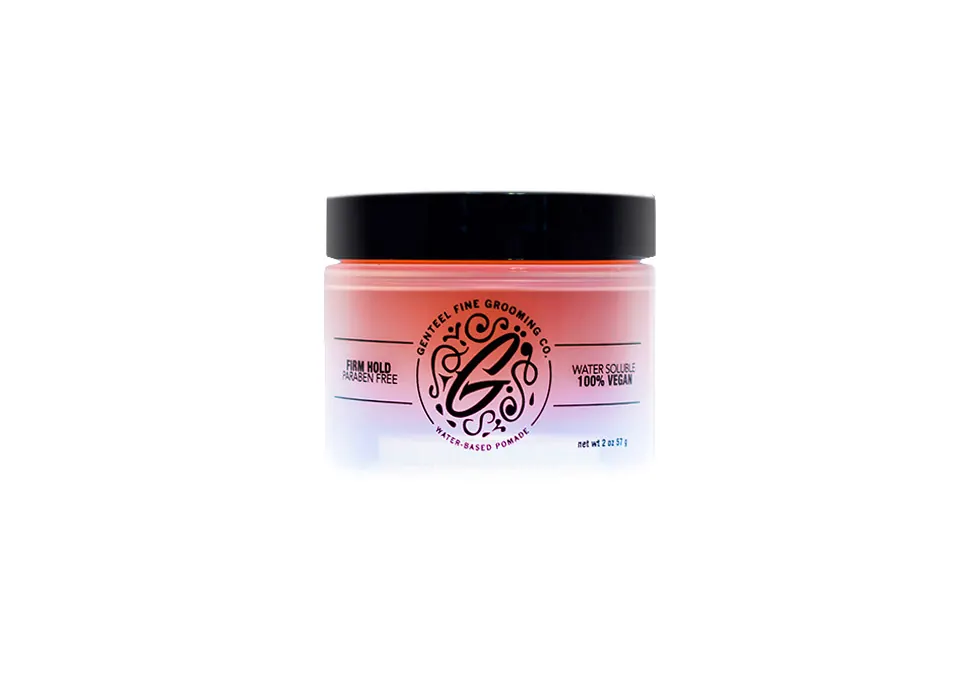
Genteel Fine Grooming Co. was a grooming startup at the very beginning of its life. Their first product was a pomade, and it was physically ready to sell. What was missing was everything else: no label, no brand identity, no website, no way to process an order. I was brought in as creative director to build the full platform from scratch, covering graphic design, web design and development, photography, video, and motion design. The brief was wide open and the starting point was a blank page.
What Was in the Way
The first problem was structural. A brand that has no visual language yet cannot sell anything online, because a customer who lands on a bare or inconsistent page has no reason to trust the product. Before I could build a storefront I had to design the label, establish the colour and type directions, and give the brand enough coherence to hold up across a screen and a physical jar at the same time. That is not a fast process, and the timeline for doing it properly does not compress just because the product is already manufactured.
The second problem sat with the owner, and it made the first one harder to solve. While I was trying to build the brand foundation, product was being given away freely, which sounds like grassroots marketing but is not the same thing. Sampling without a working brand behind it means nobody who receives the product has anywhere to go, nothing to remember, and no way to become a repeat customer. The awareness had nowhere to land.
The third problem was a direction the owner wanted to take that I advised against. They asked whether they should list on Amazon. My answer was no, not yet. Amazon rewards volume, reviews, and an existing customer base that you can drive to the listing. Genteel had none of those things. Launching there at that stage would have meant spending time and money on a listing that had no traffic and no social proof, while the actual brand work still needed doing. The advice did not land. The owner wanted a return and wanted it quickly, and no platform was going to produce one before the brand had an audience.
What I Did
I designed the product label first, because nothing else could be finalised until the core visual language was settled. From there I built out the brand identity, working in Adobe Illustrator and Photoshop, and carried it into the web design and development. The site needed to function as an e-commerce platform, so the build was oriented around a clean purchase flow rather than anything decorative.
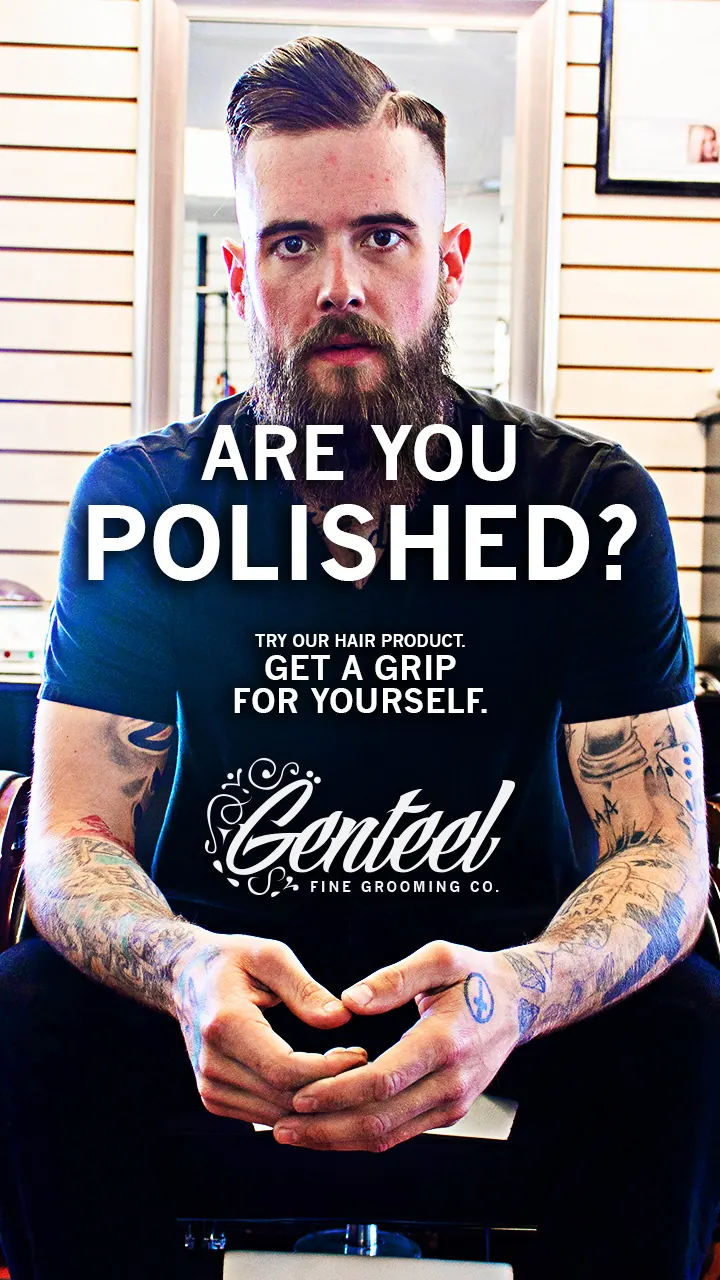
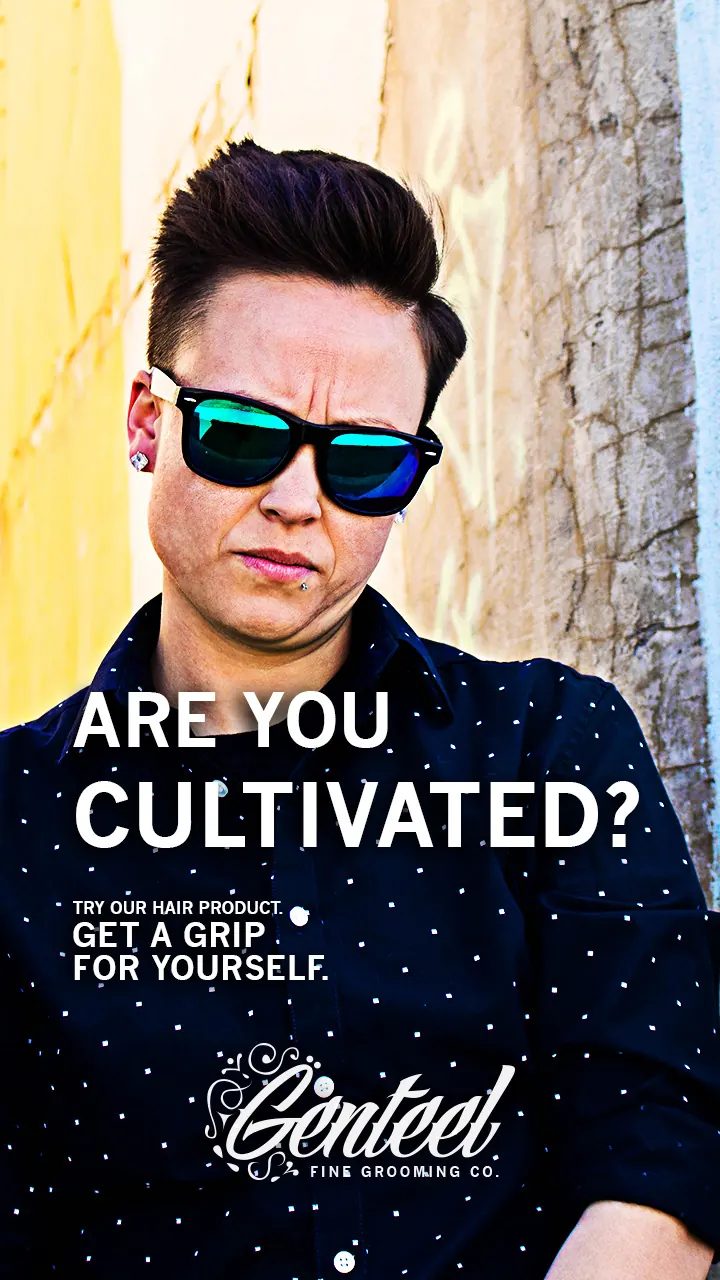
I also handled the photography and video myself. The photos were meant to give the product a credible, considered context rather than the flat catalogue look that most new grooming brands default to. The video and motion work was intended for marketing use, to give the owner assets they could deploy on social without needing to commission anything separately.
On the creative direction side, I pushed back on the Amazon question and pushed for continued work on brand and audience before any new channel was opened. My position was that the engine had to be built before you could ask it to run. A storefront with no one to send to it is not a sales problem, it is a sequencing problem.
What I would do differently now: I would have structured clearer expectations around timelines and milestones at the start, in writing, and I would have been more direct about the gap between what the owner expected and what the actual timeline for brand growth looks like. I held my creative ground but I did not steward the relationship as well as I could have.
What Happened
The owner stopped communicating before the platform was ever fully tested in the market. There is no sales number to report because the business did not run long enough to produce one. What I know is that the full suite of assets existed: label, identity, website, photos, video. The infrastructure was there.
The owner’s decision to walk away came from not seeing an immediate return, and an immediate return was never realistic at that stage of brand building. Giving away product had not produced an audience. The site had not had time to attract one. The gap between what was built and what was expected was wide enough that no result in the short window available would have closed it.
What I Took From It
Brand building takes time, and any engagement where both sides do not hold the same understanding of that is going to end this way. The lesson I carry from Genteel is not about the design work, most of which I stand behind given what I had to work with. It is about alignment at the start. Before taking on creative direction for an early-stage product brand again, I would want a documented shared understanding of what success looks like at three months, six months, and a year. Not as a formality but as a genuine diagnostic: if the answer does not match reality, that is important to know before the work begins, not after the client has gone quiet.
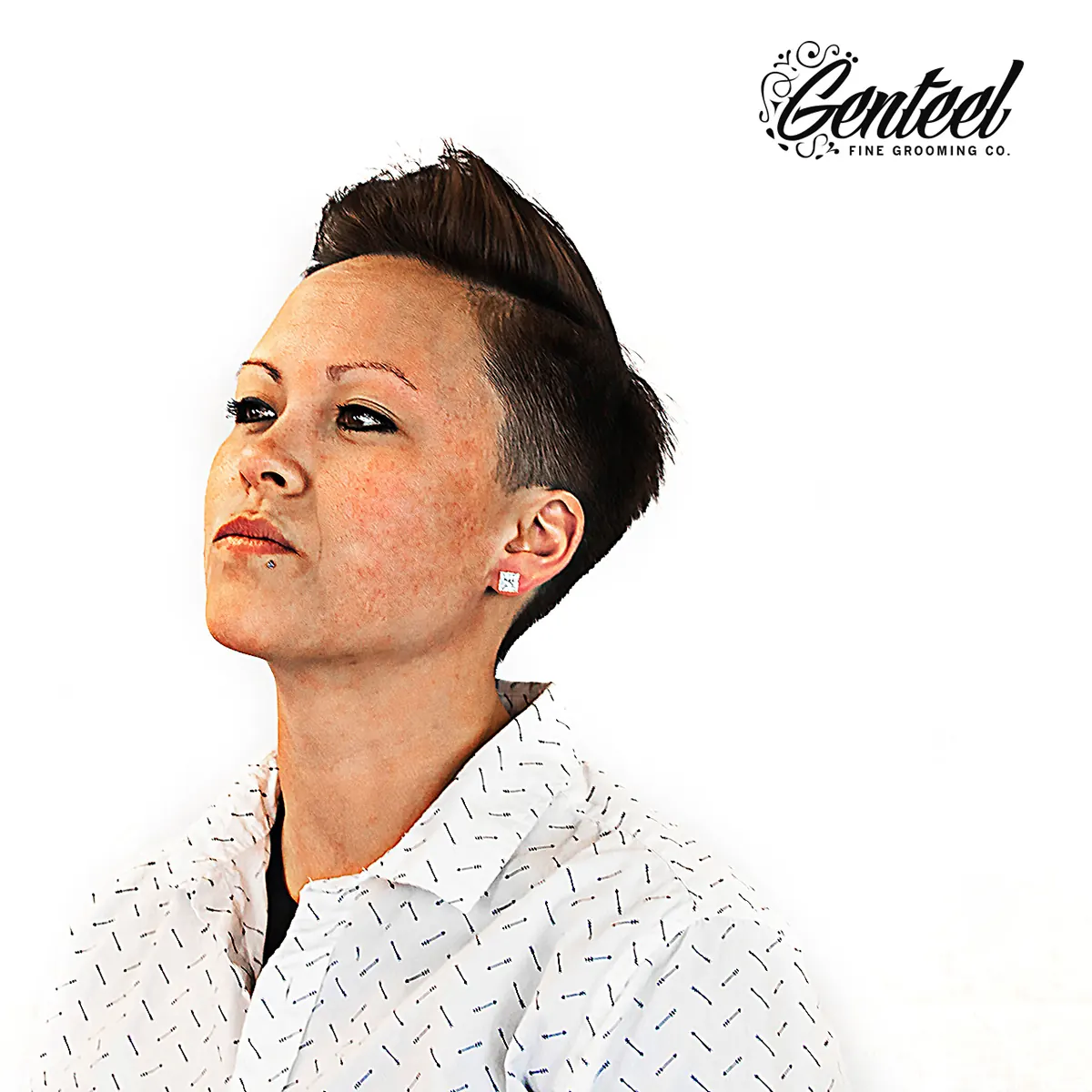
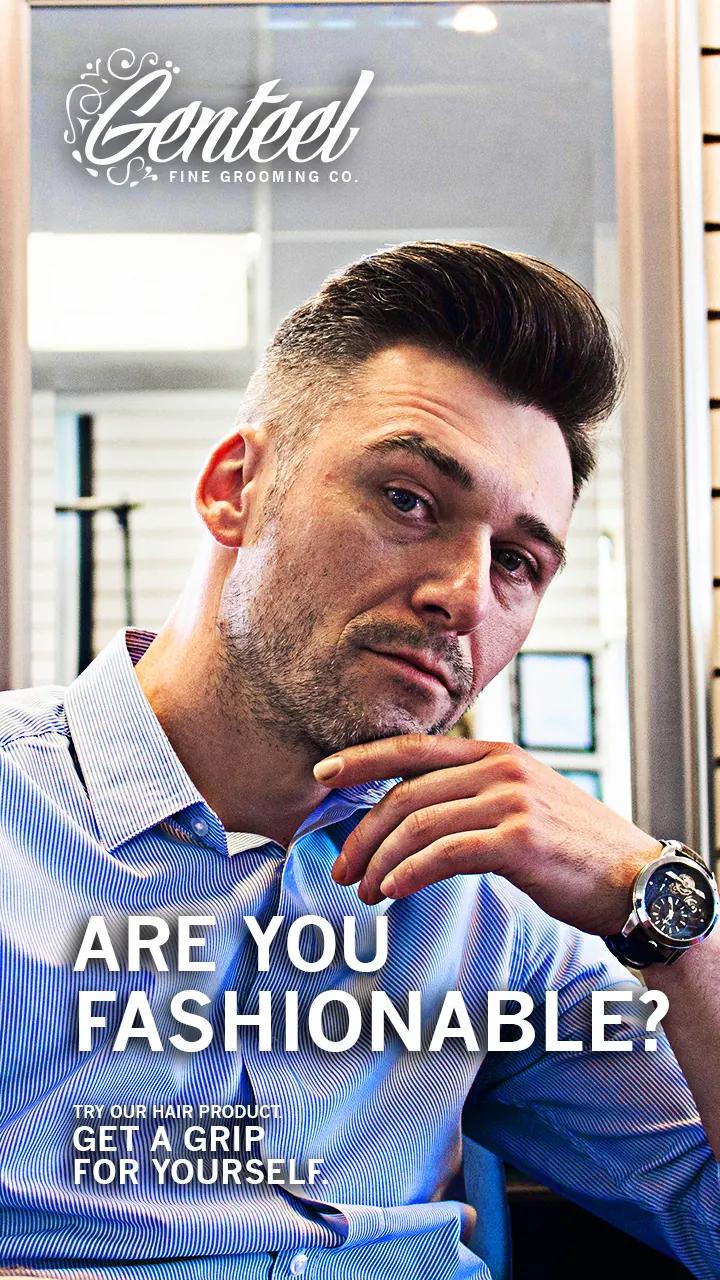
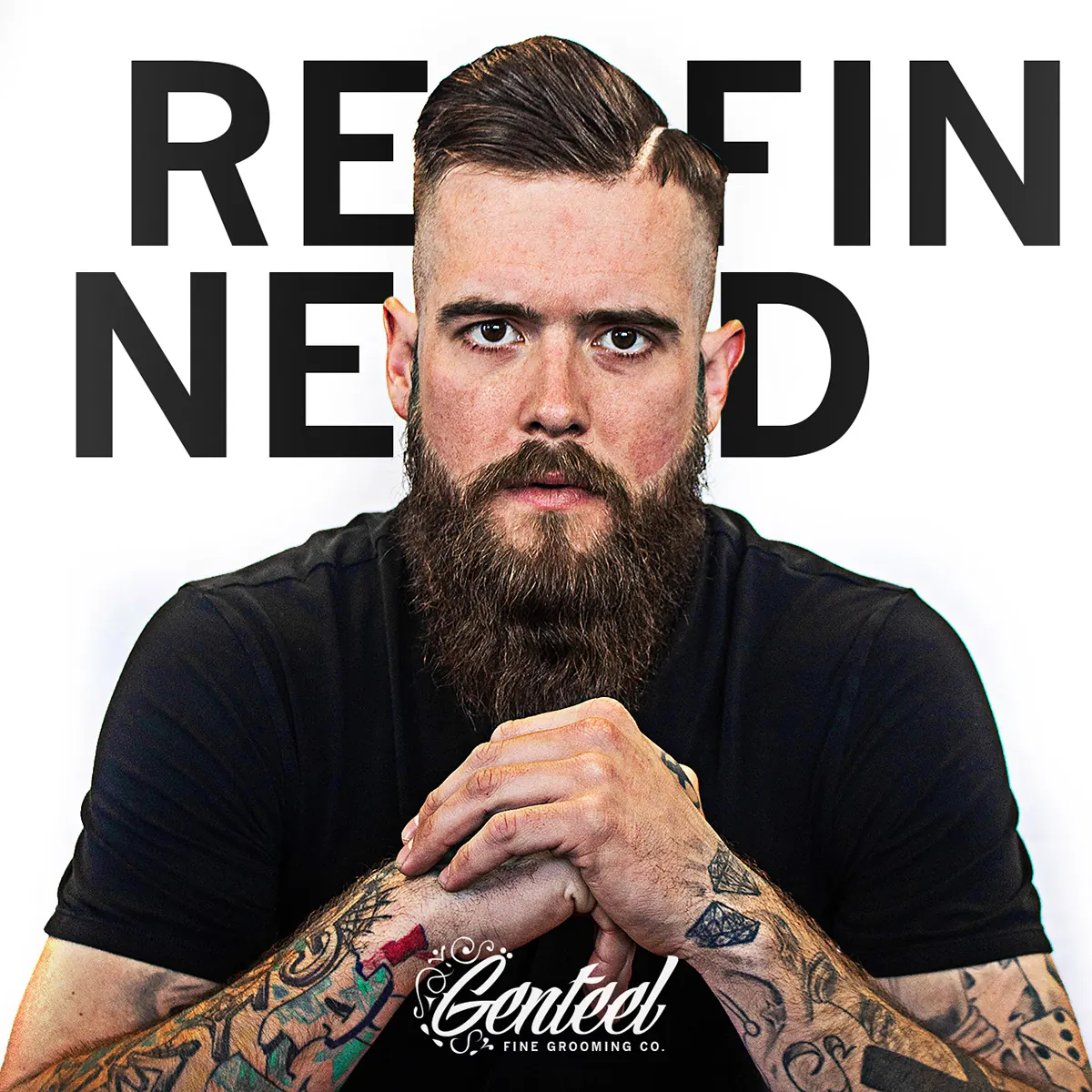
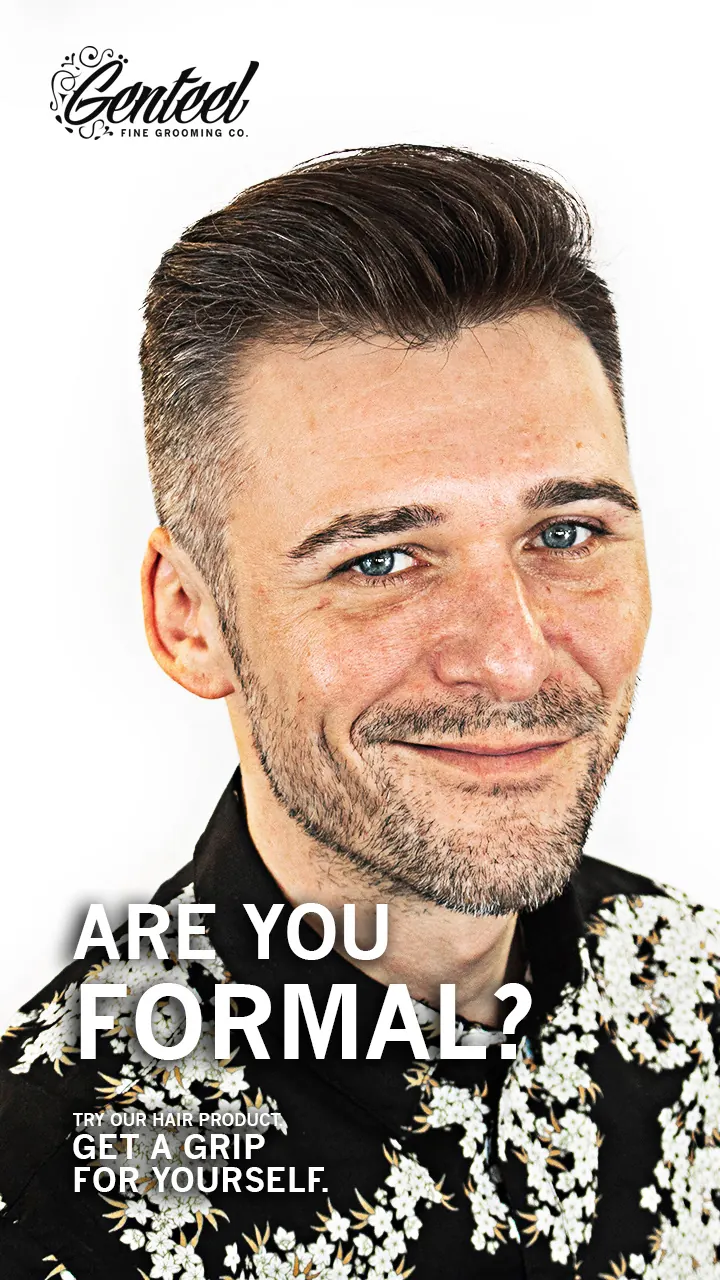
The engine was built. The problem was that no one wanted to wait for it to run.
In their words
"
/Behind the scenes
I would try this again, but only with a radical change in what the client expects from a brand in its first year.
/Index
- 2019
- Spokane, WA
- Brand & Identity, Graphics & Advertising, Web & Product, Film & Video, Motion & Animation, Photography
- Creative Director, Graphic Designer, Web Designer, Developer
- Adobe Photoshop, Adobe Illustrator, Adobe Lightroom
- Graphic Design, Brand Identity, Web Development, Photography, Videography, Motion Design