YoungWest
EA cinematic music video and trailer built from someone else's footage, with no contract and almost no pay.
Raw 4K footage I didn't shoot, edited into a music video with 20,000 views
- Categories
- Film & Video, Motion & Animation
- Role
- Video Editor, Photographer
- Software
- DaVinci Resolve, Adobe Lightroom
- Language
- Framework
- Script
- Hardware
- Canon Rebel t6i
- Service
/Live References
The story
A year after it went live on YouTube, the YoungWest music video had reached around 20,000 views. I didn't record a single frame of that 4K footage. I came onto the project without a contract, without real pay, and during one of the harder stretches of my life. What I brought was the edit: color grading, visual effects, and the judgment to turn a loosely structured collection of raw footage into something that could stand up in a real market.
The Situation
YoungWest had the pieces. There was an audience, existing connections, and a body of recorded content. The project had real ambition behind it: a cinematic music video and a trailer meant to present the artist with a professional sound and reach new fans. What was missing was the infrastructure to match that ambition. The budget did not cover what the contributors were worth, and no contracts were in place. I came in as editor and photographer, knowing that going in.
What Was in the Way
The footage existed, but the project had no real script structure to lean on. The video producer who had shot the 4K material had done a decent job behind the camera. The equipment was solid. But his previous edits showed he wasn’t working in a color grading pipeline that could handle raw 4K footage at the level the project needed. The symptom was flat, unfinished-looking video. The cause was that the software side of his process wasn’t there yet.
That left me in an awkward position. I hadn’t planned the shoot. I hadn’t been on set to capture with any editorial intention. I was handed a large collection of assets, recorded across multiple shoot events, and asked to piece them together into something coherent. There was no shot list I had built toward, no structure I had laid out in pre-production. Whatever logic the edit would have, I had to find it inside the footage rather than bring it from a plan.
On top of that, I was managing months of accumulated assets across those shoot events alongside a difficult period in my personal life. The project stretched to roughly four months of on-and-off editing. The emotional weight of that period was real, and it sat alongside the work the entire time. The lack of a contract meant there was also no formal deadline, no agreed revision count, and no clear definition of done. All of that had to be held in my head while I worked.
What I Did
The first decision was to take ownership of the edit rather than hand it back. The footage had genuine quality in it, and I believed I could get it where it needed to go. I pushed to edit it myself even though the other producer was already attached. That wasn’t comfortable, but I thought the alternative, releasing the video in an ungraded or poorly graded state, would hurt the project more than the friction of stepping forward.
In DaVinci Resolve I built a color grading pass that treated the raw 4K material properly. Raw footage is flat by design and requires deliberate grading decisions to feel cinematic. I made those decisions: contrast, skin tones, scene-to-scene consistency, the visual treatment that would carry both the music video and the shorter trailer. Visual effects were added where they served the edit, not as decoration.
The structural problem, no script to cut to, meant the edit had to be driven by the music and by the feeling of individual clips rather than by a planned sequence. I treated it as a music-first edit: the rhythm of the song shaped where cuts landed, and I selected and arranged footage to track the emotional arc of the track rather than any narrative I hadn’t been part of planning.
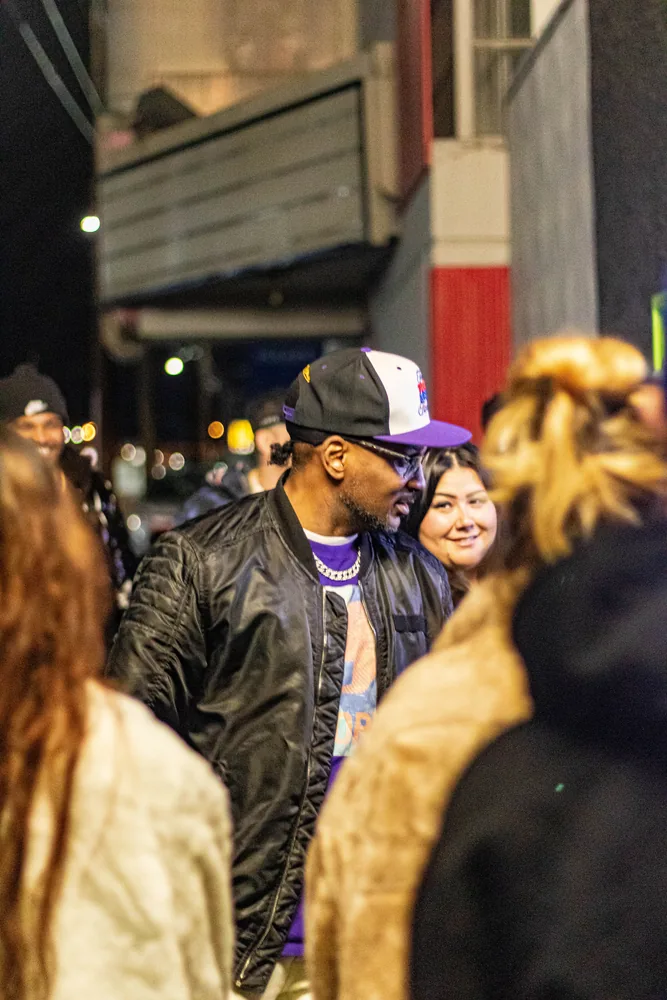
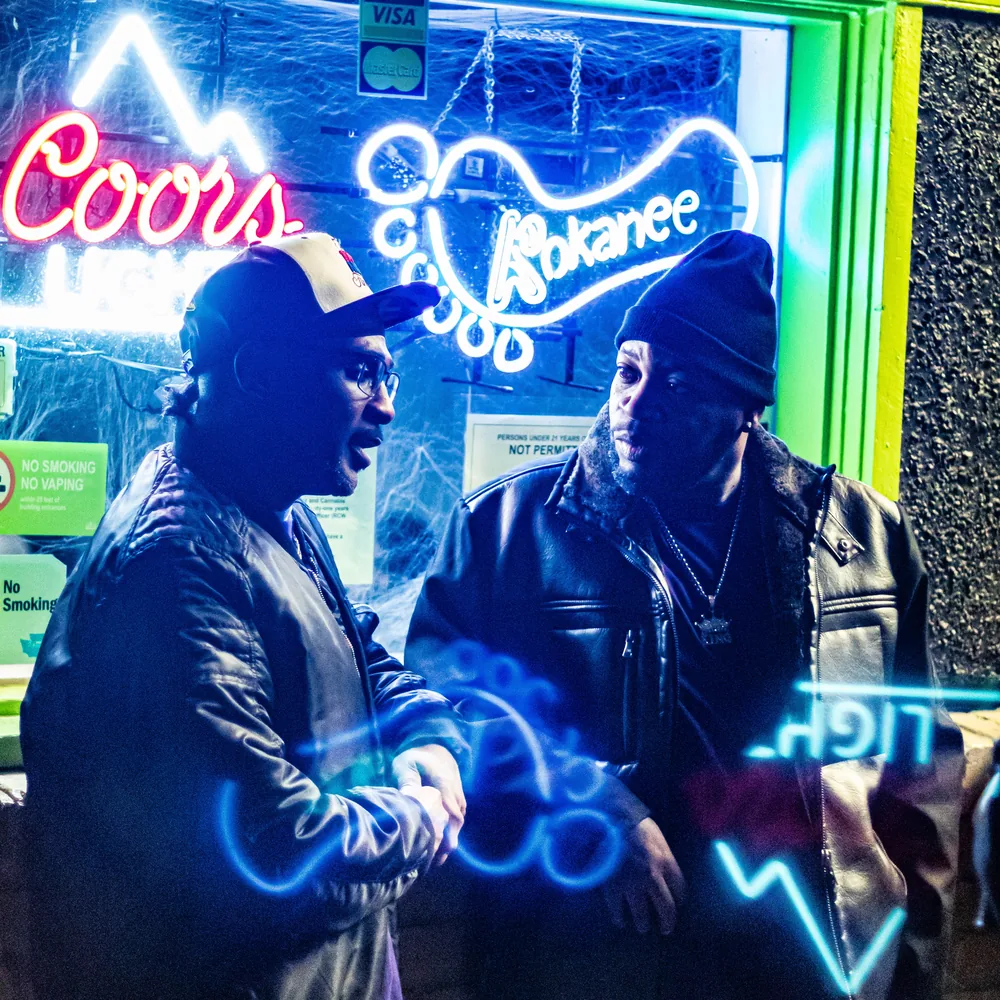
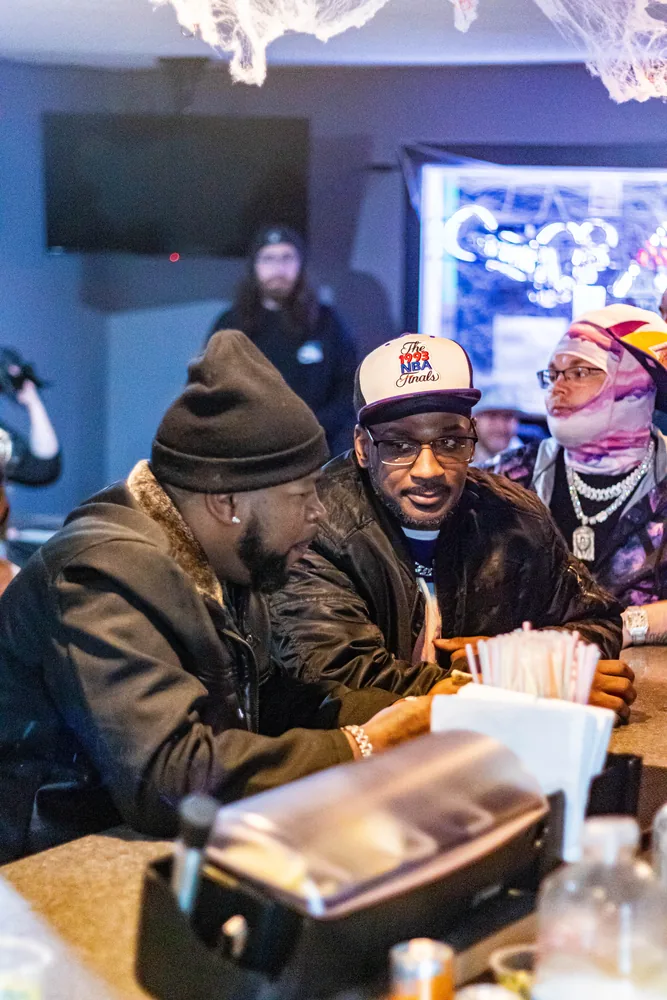
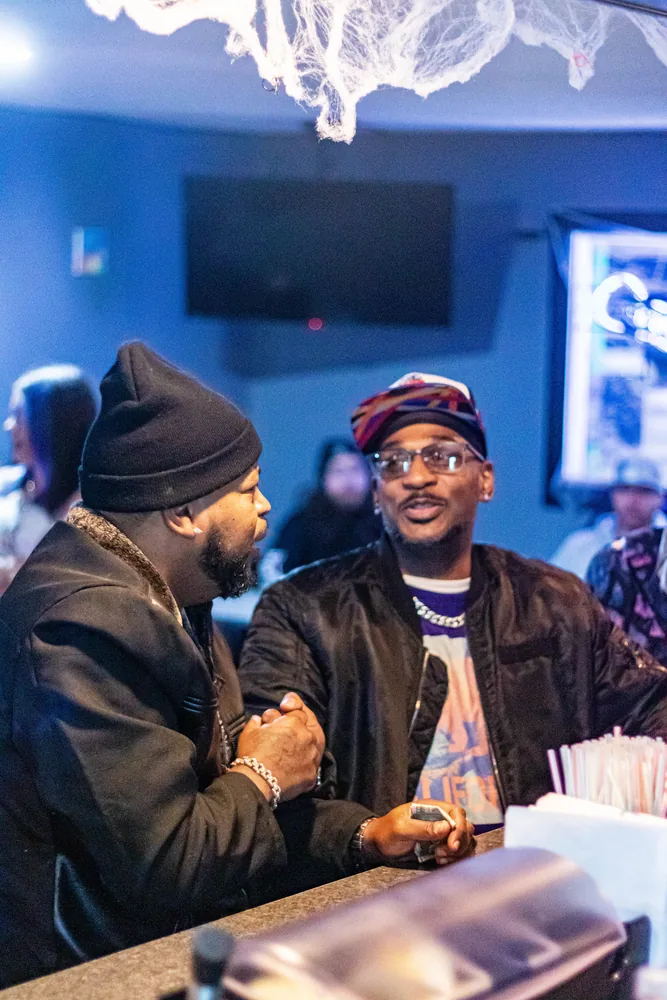
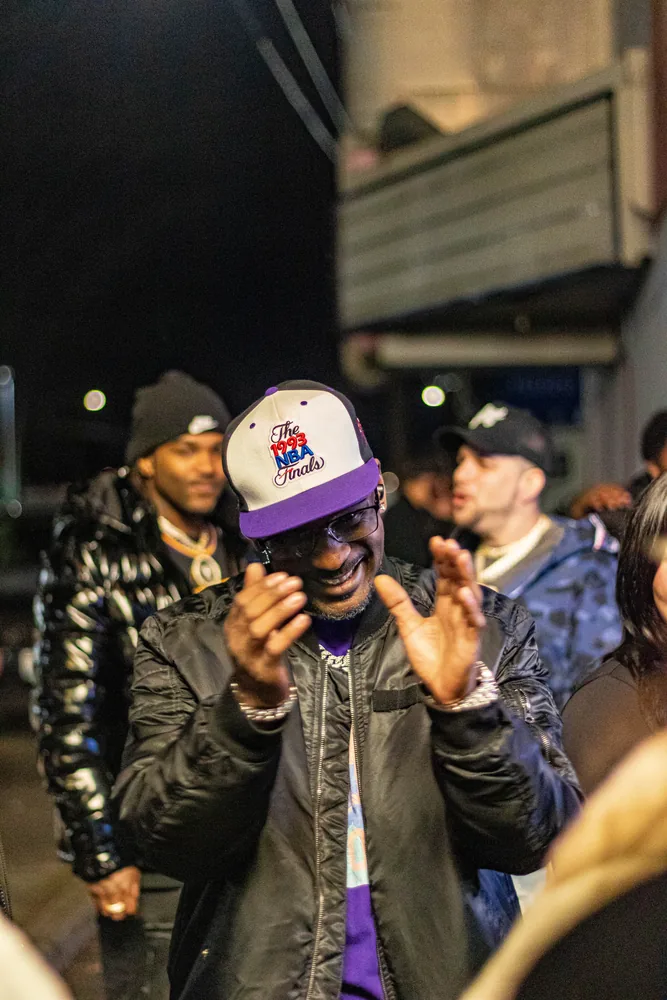
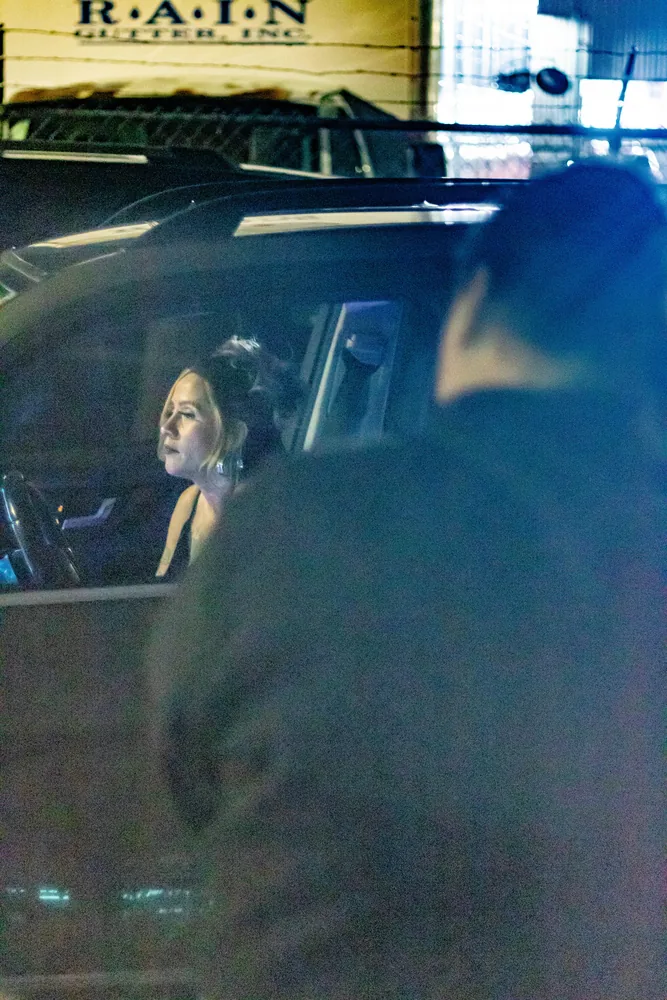
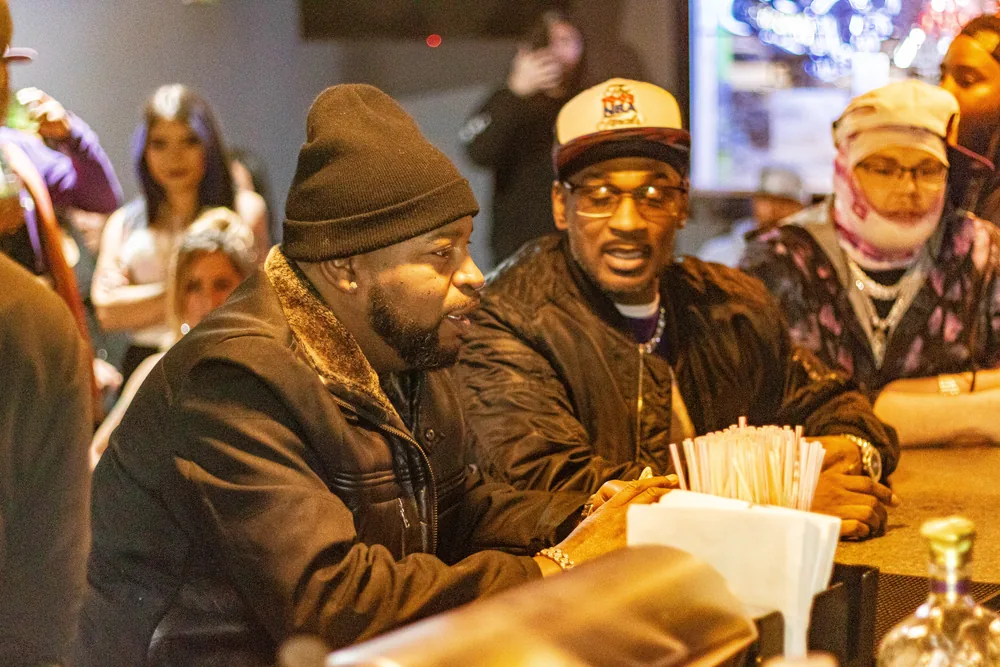
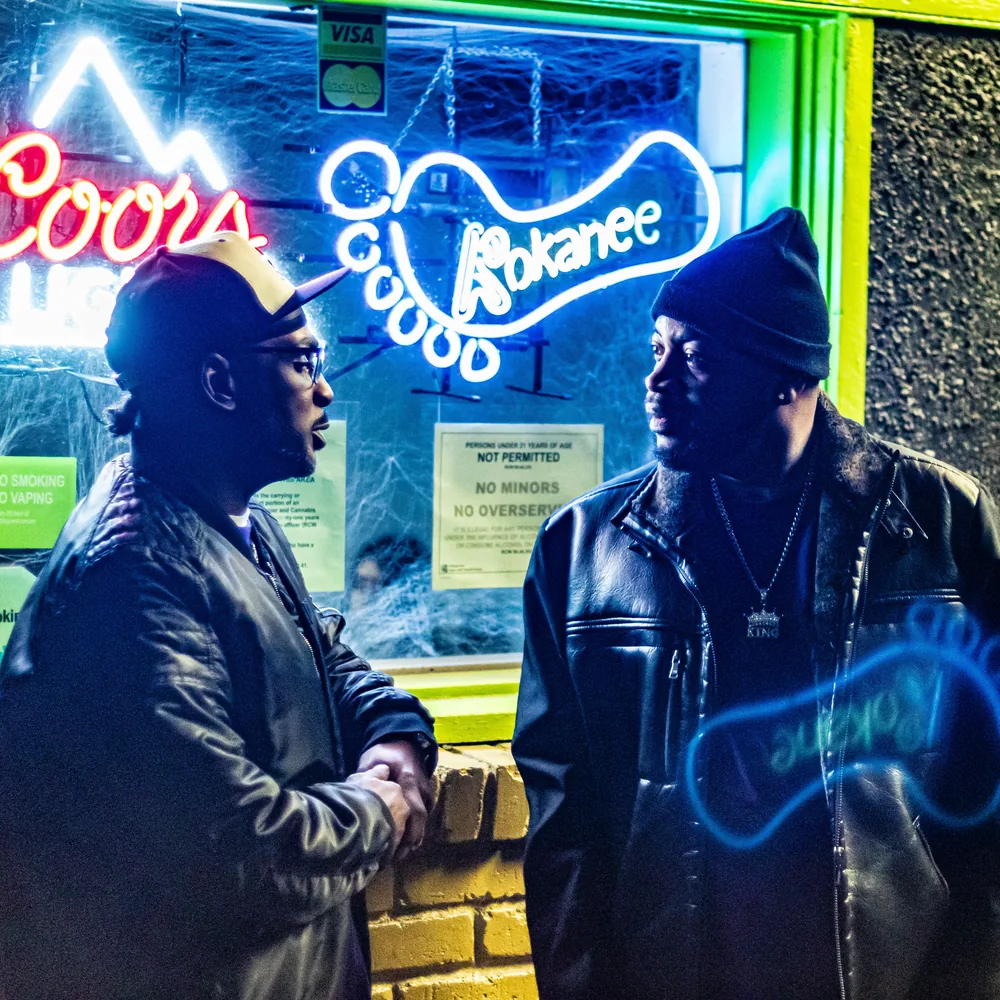
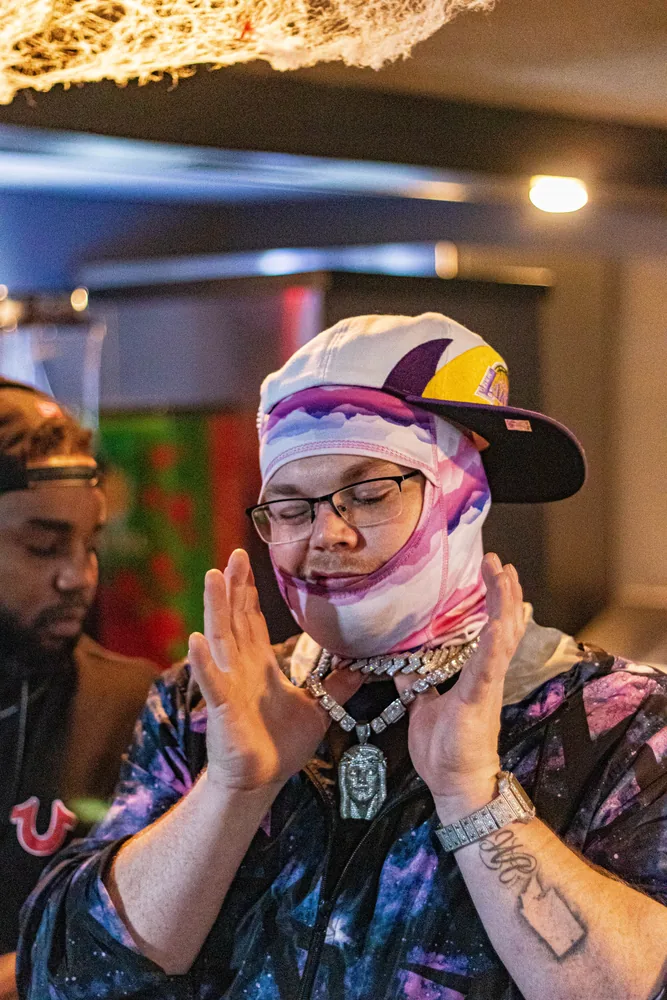
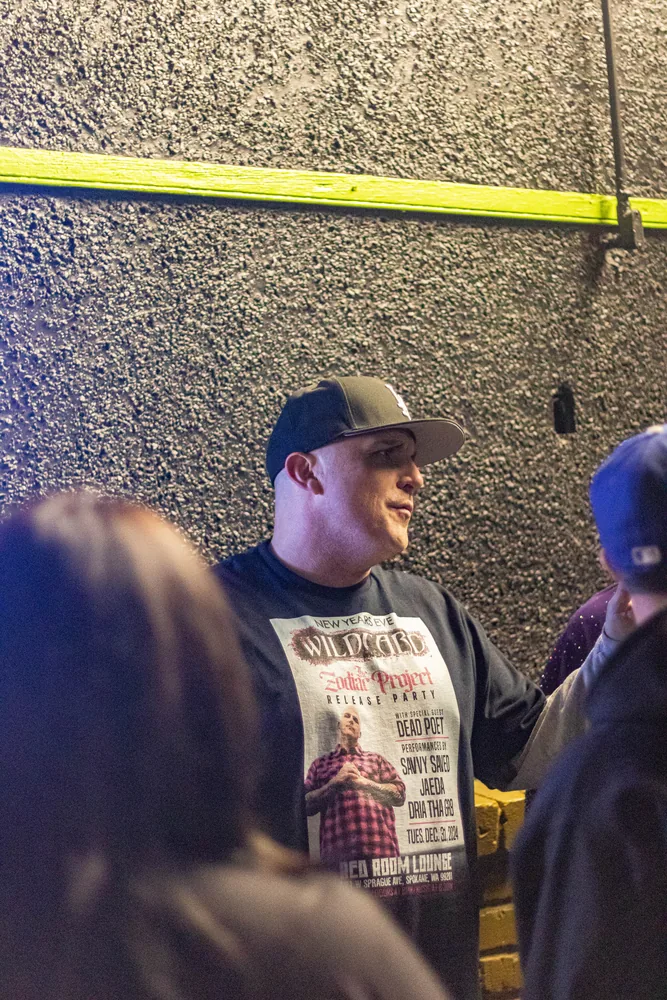
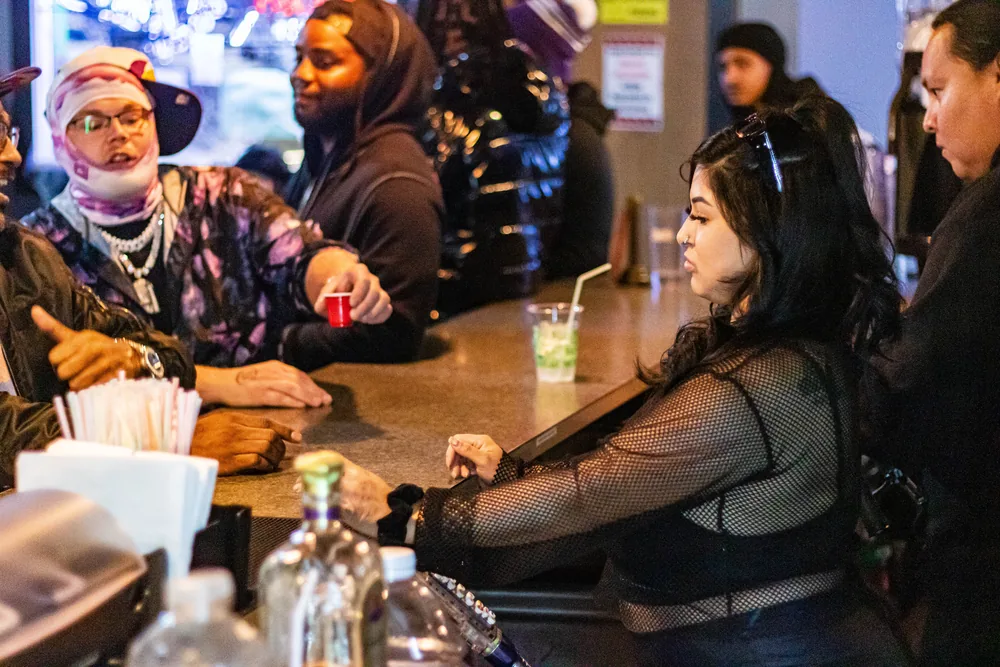
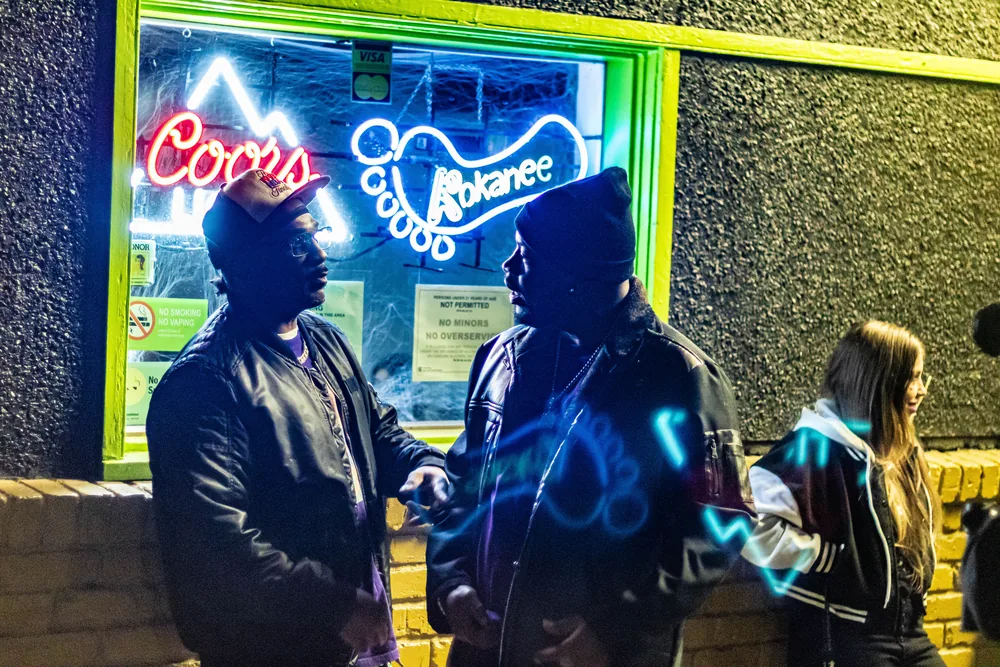
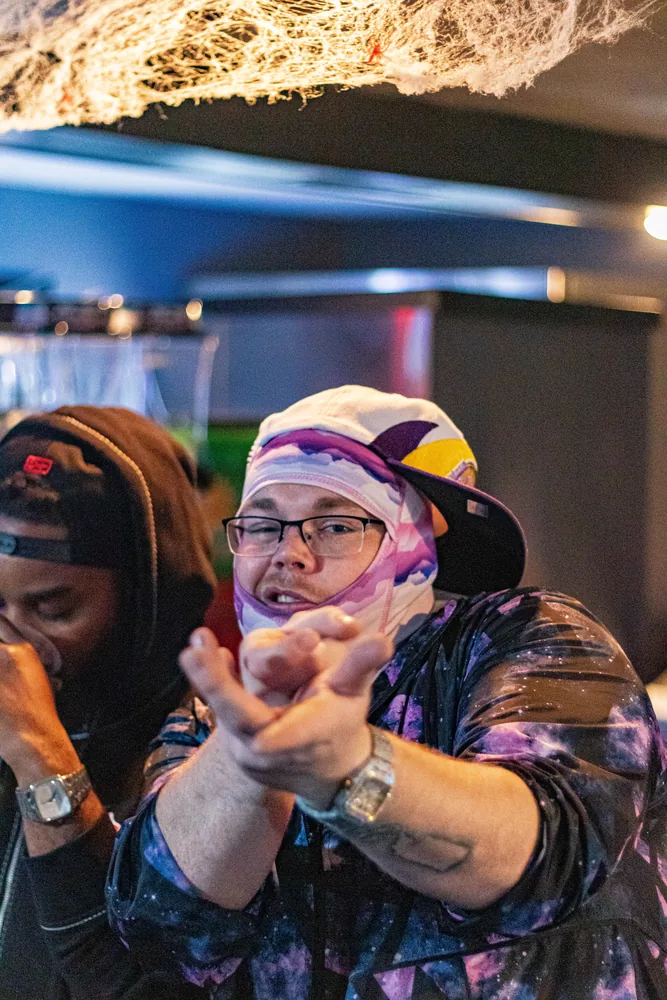
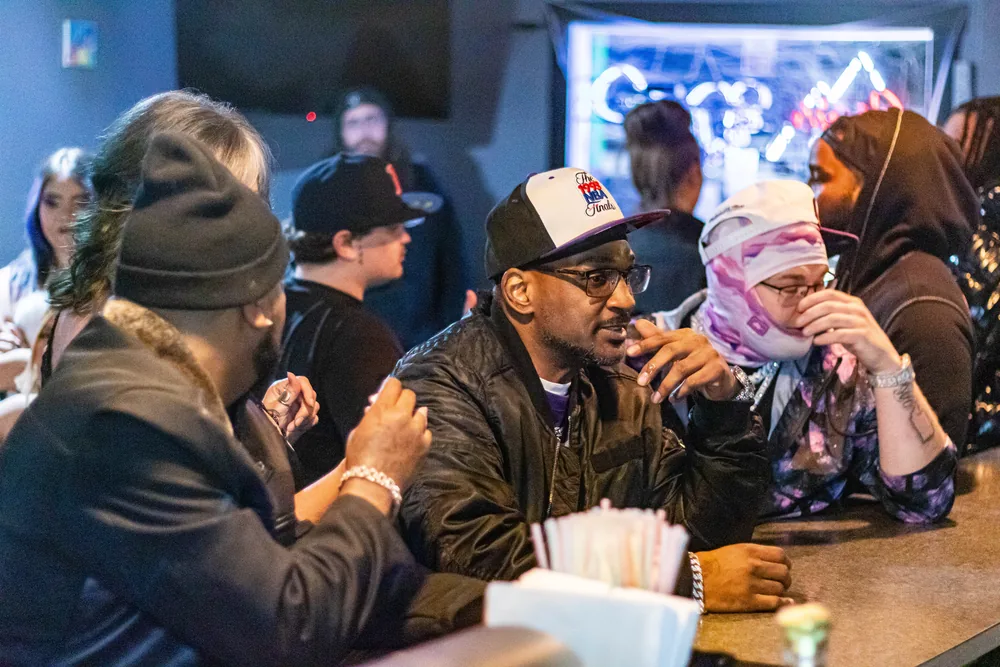
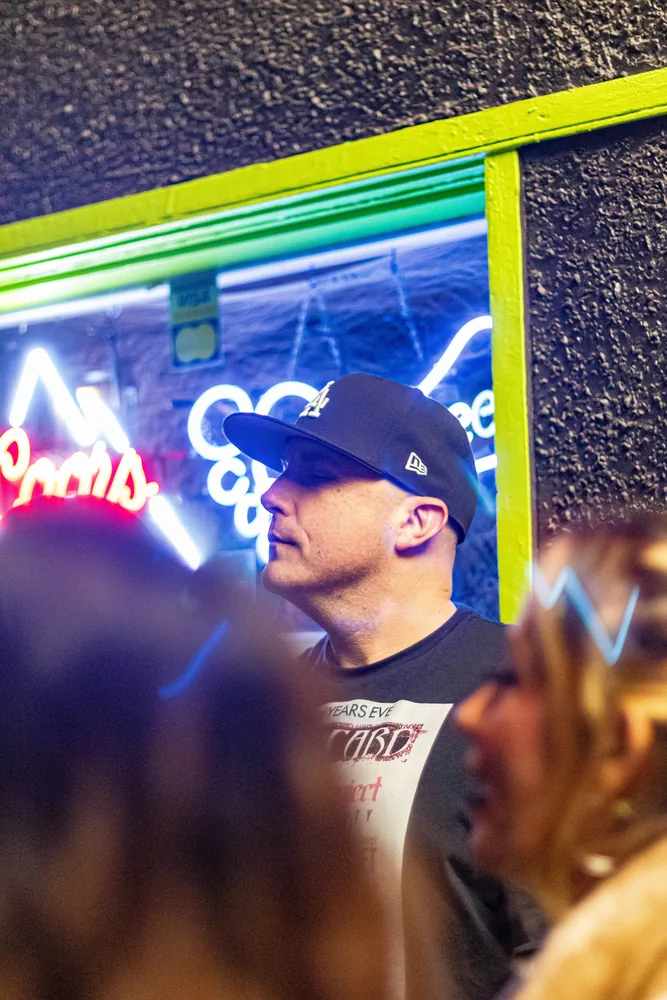
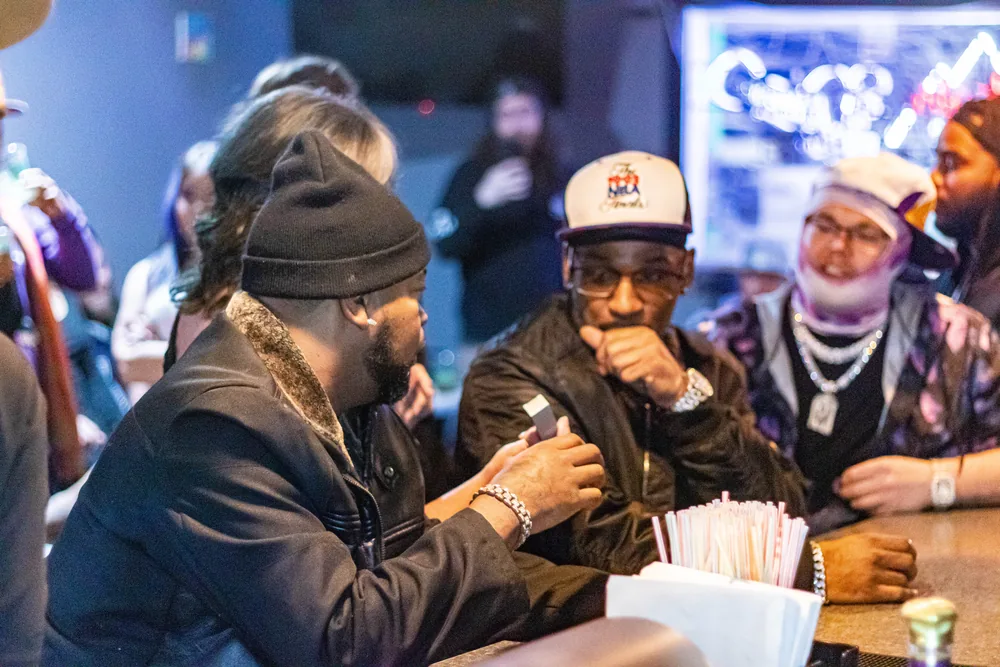
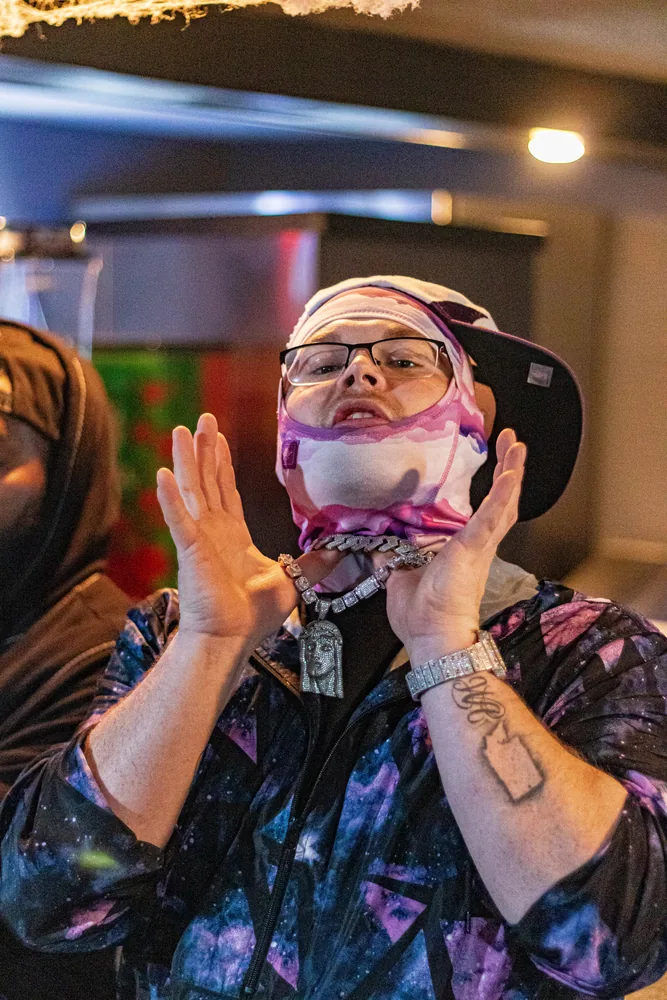
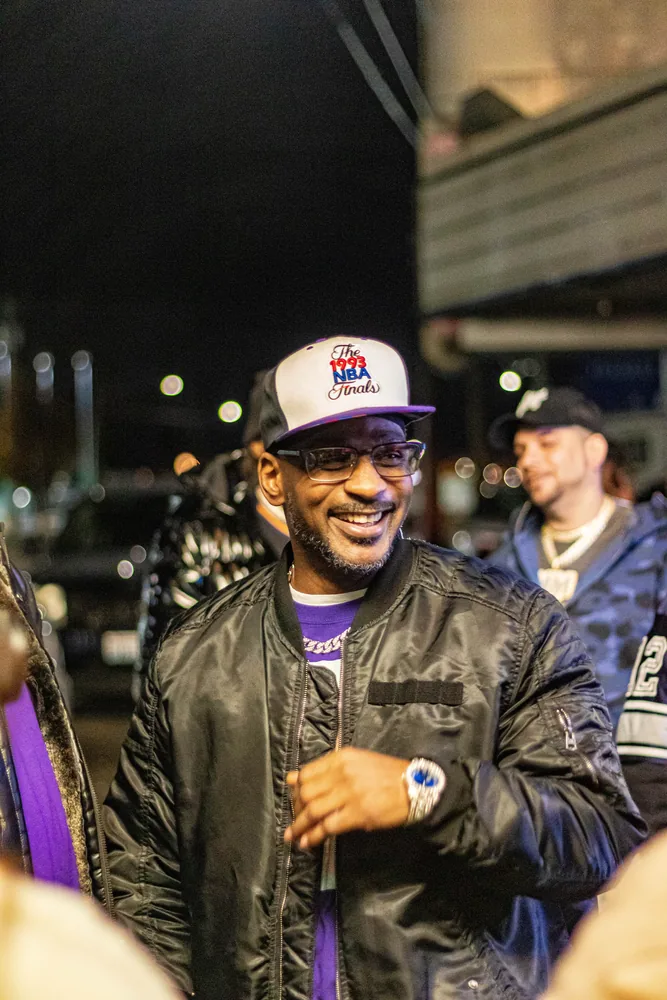
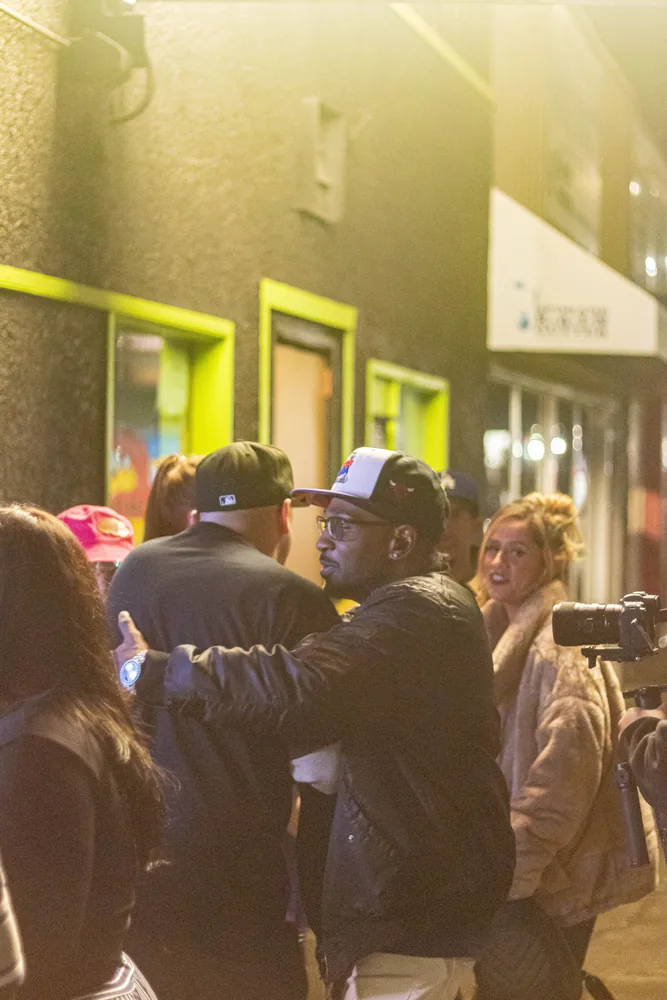
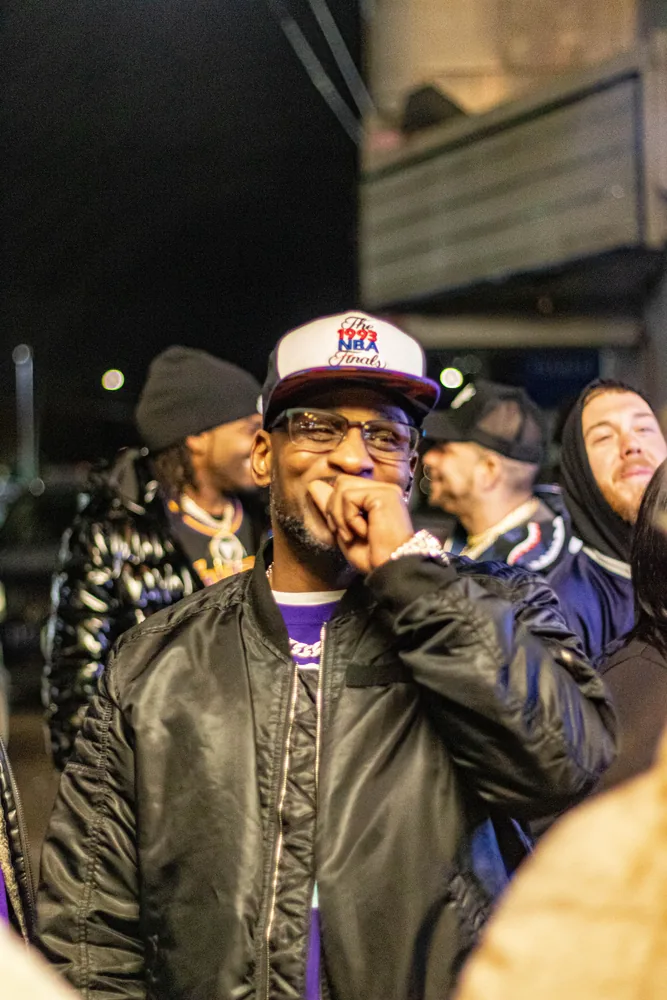
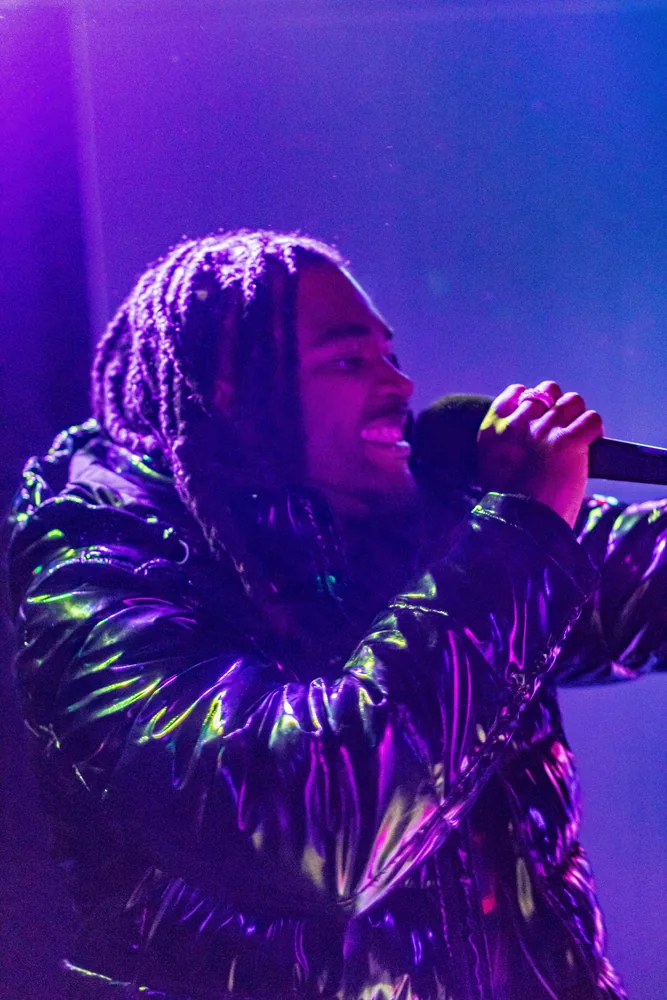
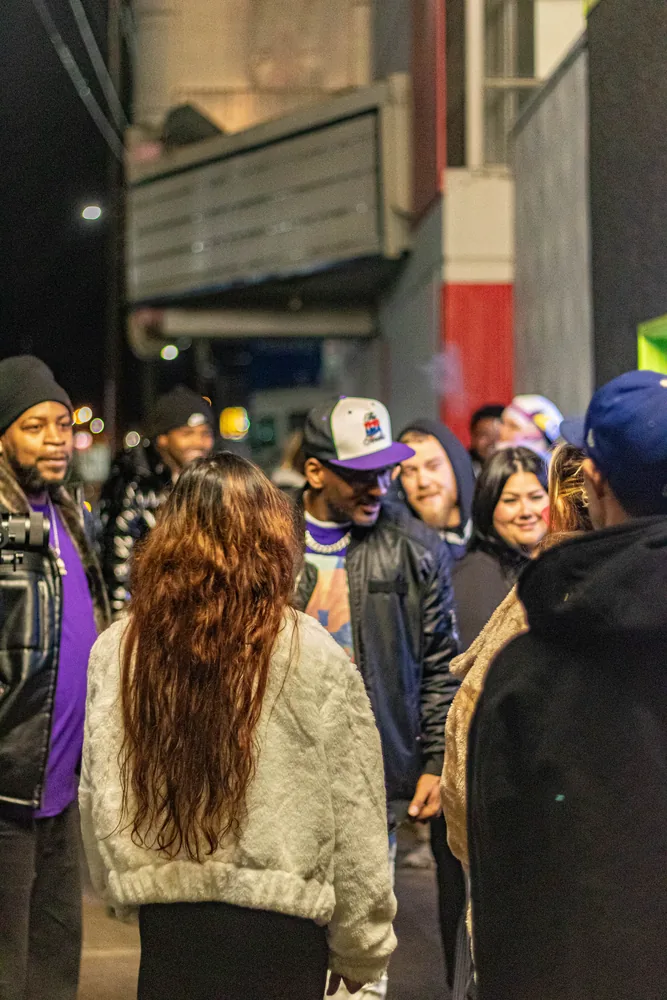
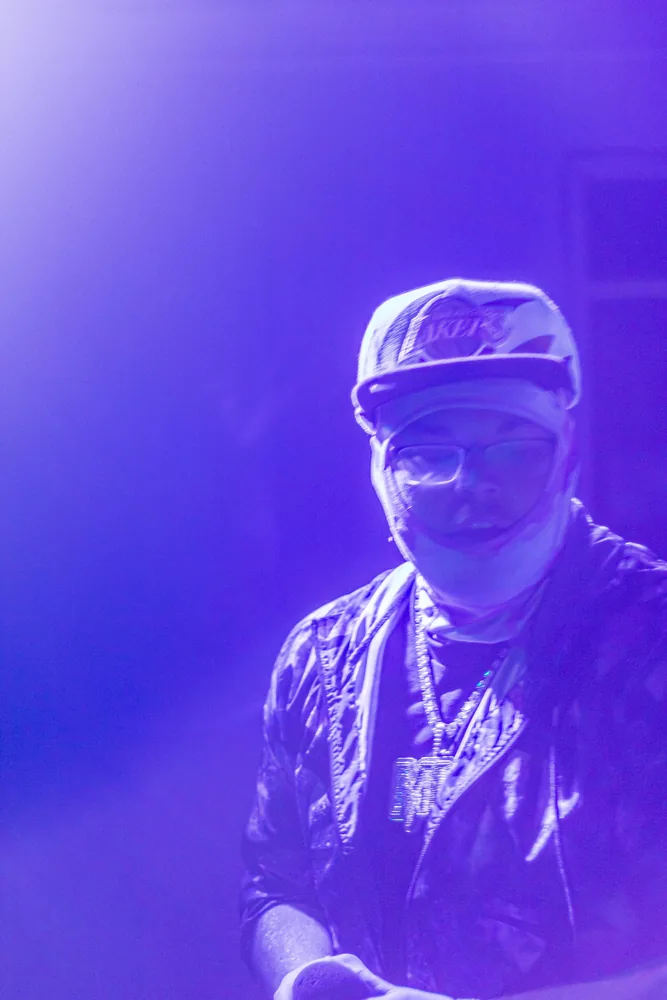
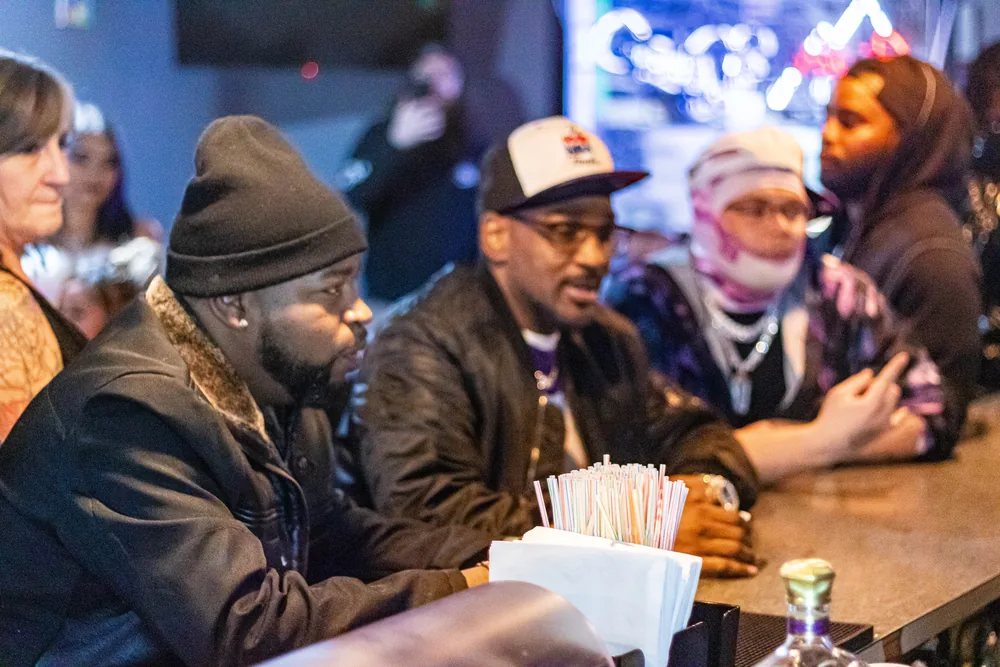
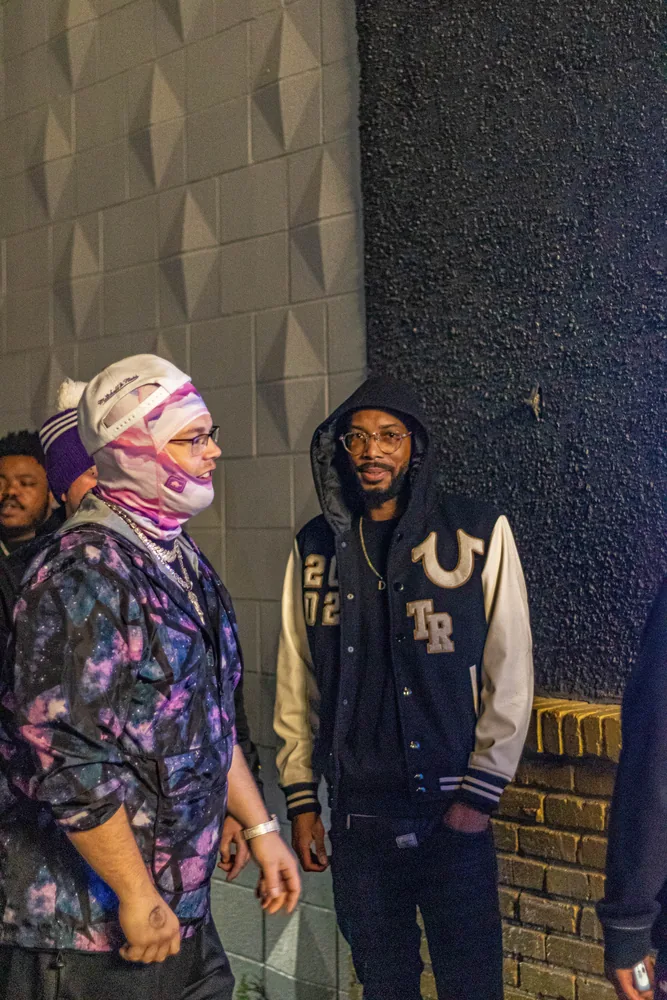
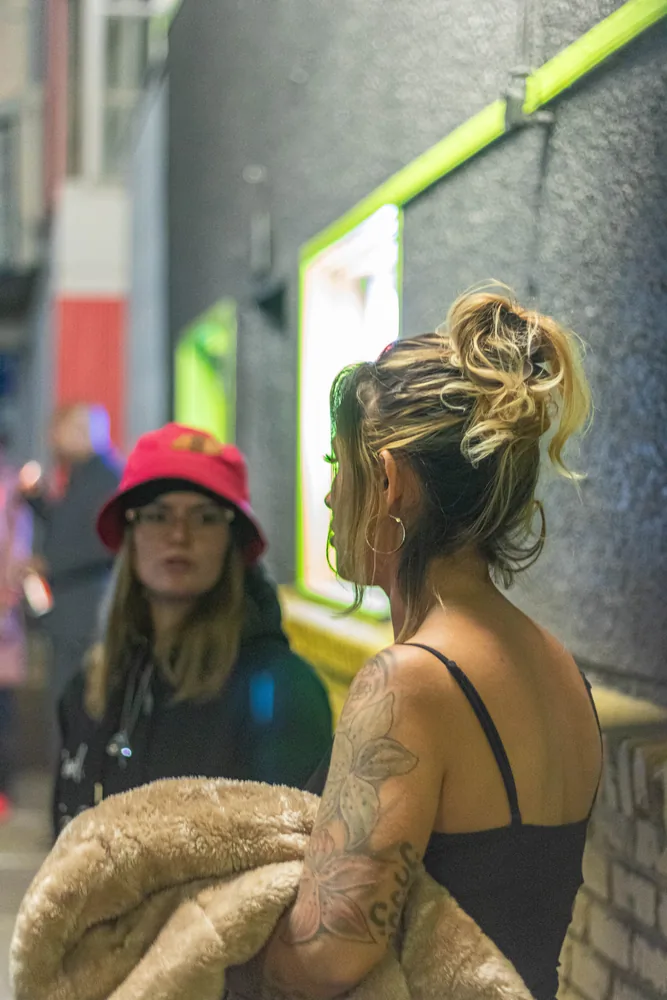
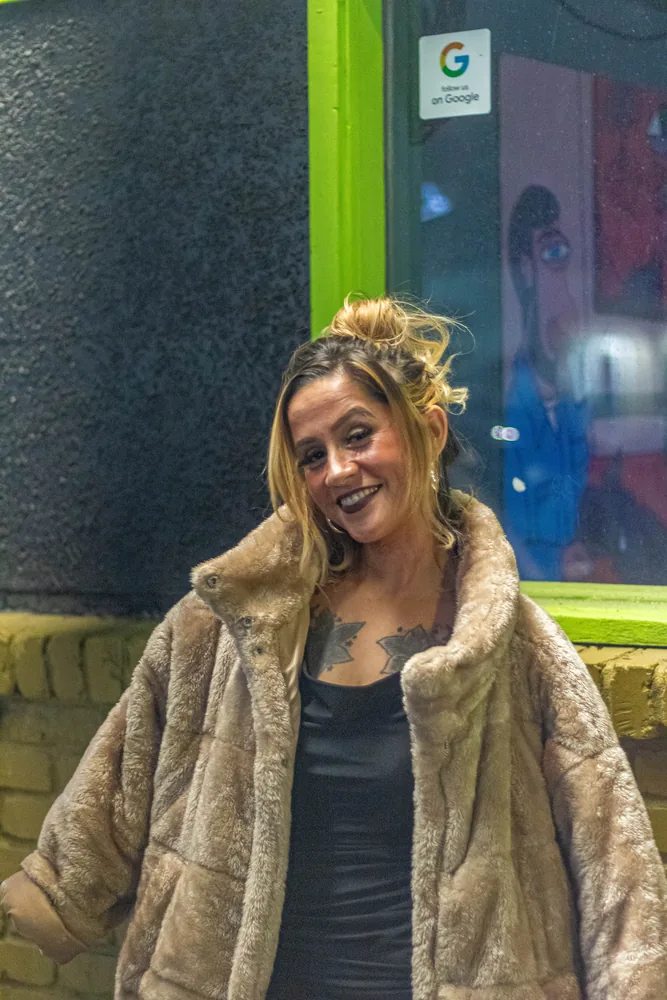
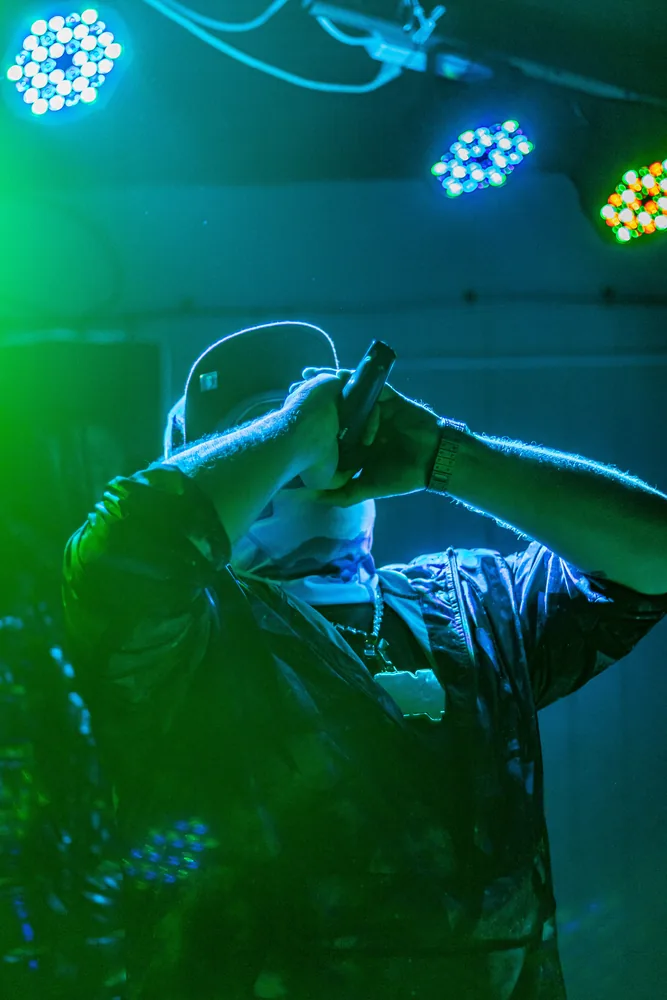
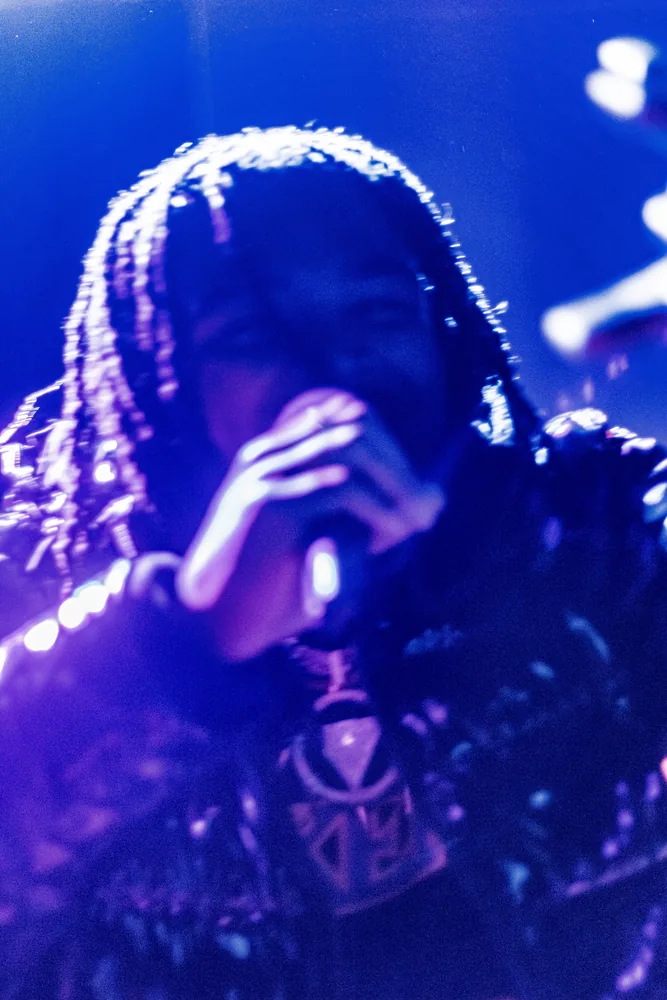
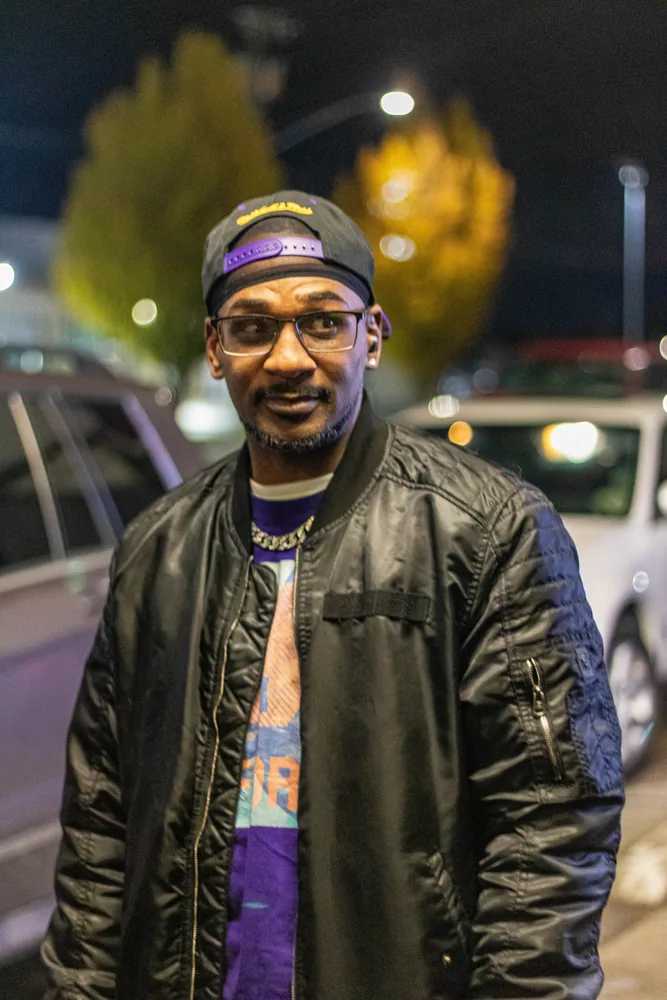
Photography coverage of the recording events came from my Canon Rebel t6i, processed in Adobe Lightroom. Those photos were a separate deliverable and handled separately from the video pipeline.
I rejected the idea of delivering something quick and adequate. The absence of a contract and proper pay didn’t change what I thought the work should look like.
What Happened
The music video was uploaded to YouTube. The feedback I received directly was strong. Over the following year it reached approximately 20,000 views, which, for an independent artist without major label distribution, represents real reach. The trailer served its purpose as a pre-release piece to build anticipation before the full video dropped.
The photos from the recording sessions gave the artist additional content to use across the release cycle. That was the full scope of what I delivered: a graded, effects-complete cinematic music video, a trailer cut from the same footage, and a photo set from the recording events.
What the views confirm is that the edit held up in front of a real audience over a sustained period. A video that looked unfinished or poorly graded would have dropped off much earlier. The 20,000 figure is a measure of retention as much as it is of reach.
What I Took From It
The clearest thing I carry forward is the contract issue. Working without one placed me in a position where the scope, the pay, and the standard of done were all undefined. I absorbed that cost this time. I won’t do it again in the same way.
The work itself showed me that I can edit footage I didn’t plan or record and still produce something I stand behind. That’s a real skill and it showed up in the result. But I also know the edit would have been stronger had I been involved in the shoot. Having editorial intent from the moment the camera rolls makes the cutting room easier and the final cut better. That’s the practice I want to protect on future projects: being in the room before the footage exists, not after.
The absence of a contract and real pay didn't change what I thought the work should look like.
In their words
"
/Behind the scenes
/Index
- 2024
- Film & Video, Motion & Animation
- Video Editor, Photographer
- Photos, Trailer, Cinematic Music Video
- DaVinci Resolve, Adobe Lightroom
- Canon Rebel t6i
- Videography, Color Grading, Music Video, Video Editing, Photography, DaVinci Resolve