Most of this piece is adult content. You will be asked to confirm your age once.
Photography
EPersonal photography practice: pictures taken because the light or the scene was worth taking.
Photos made for no one but the moment itself
- Categories
- Photography
- Role
- Photographer
- Software
- Language
- Framework
- Script
- Hardware
- Service
/Live References
The story
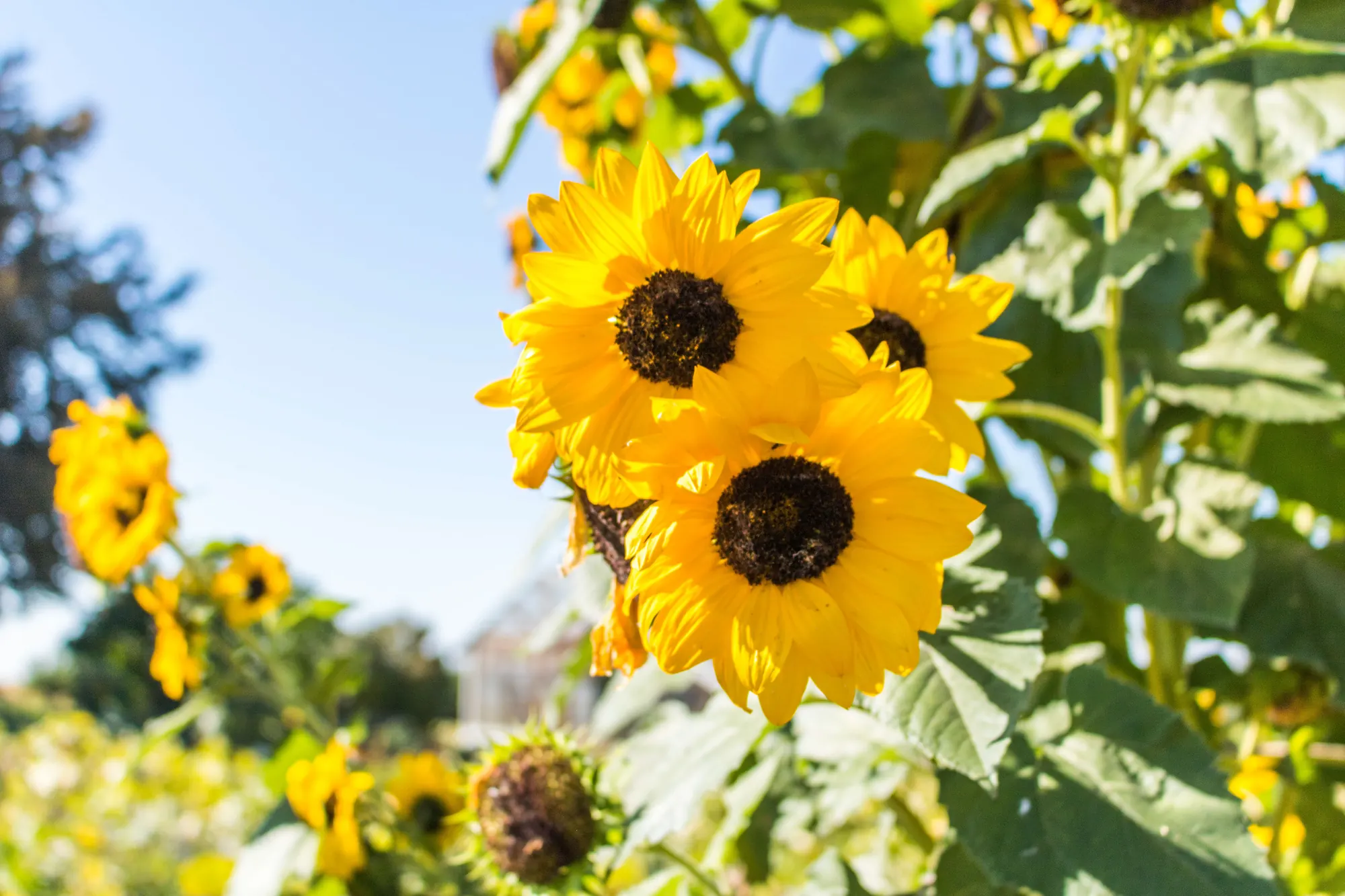
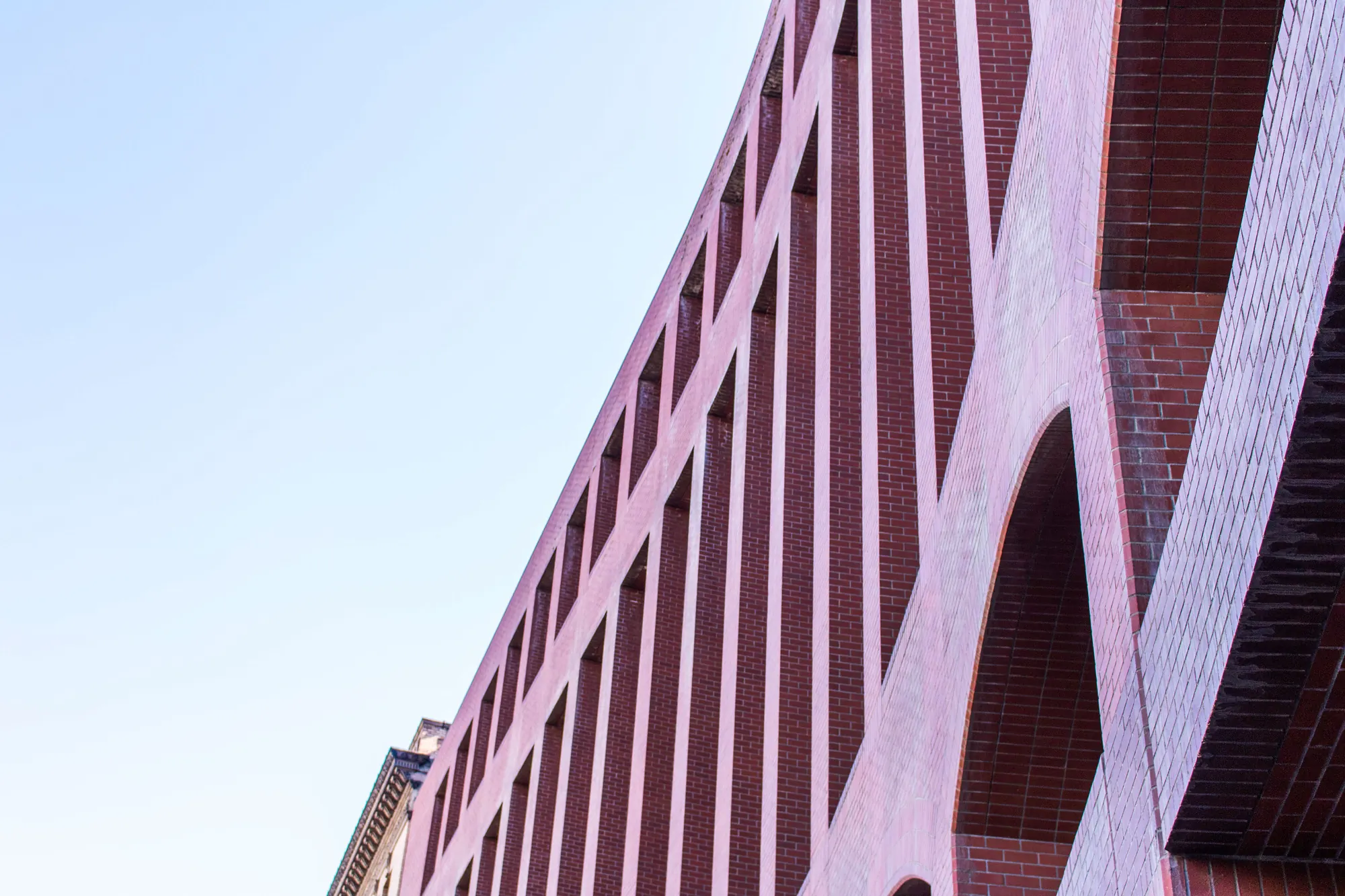
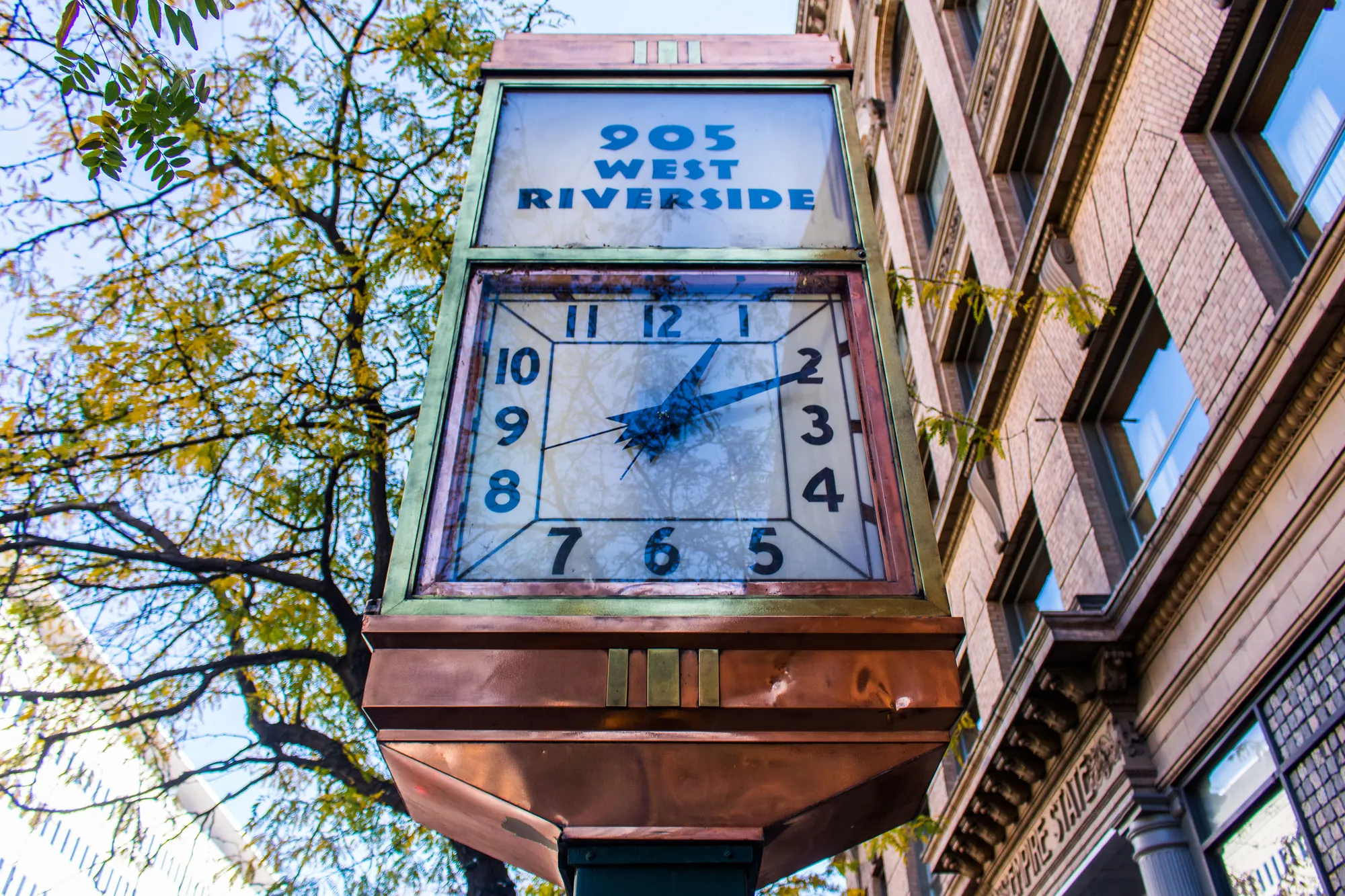
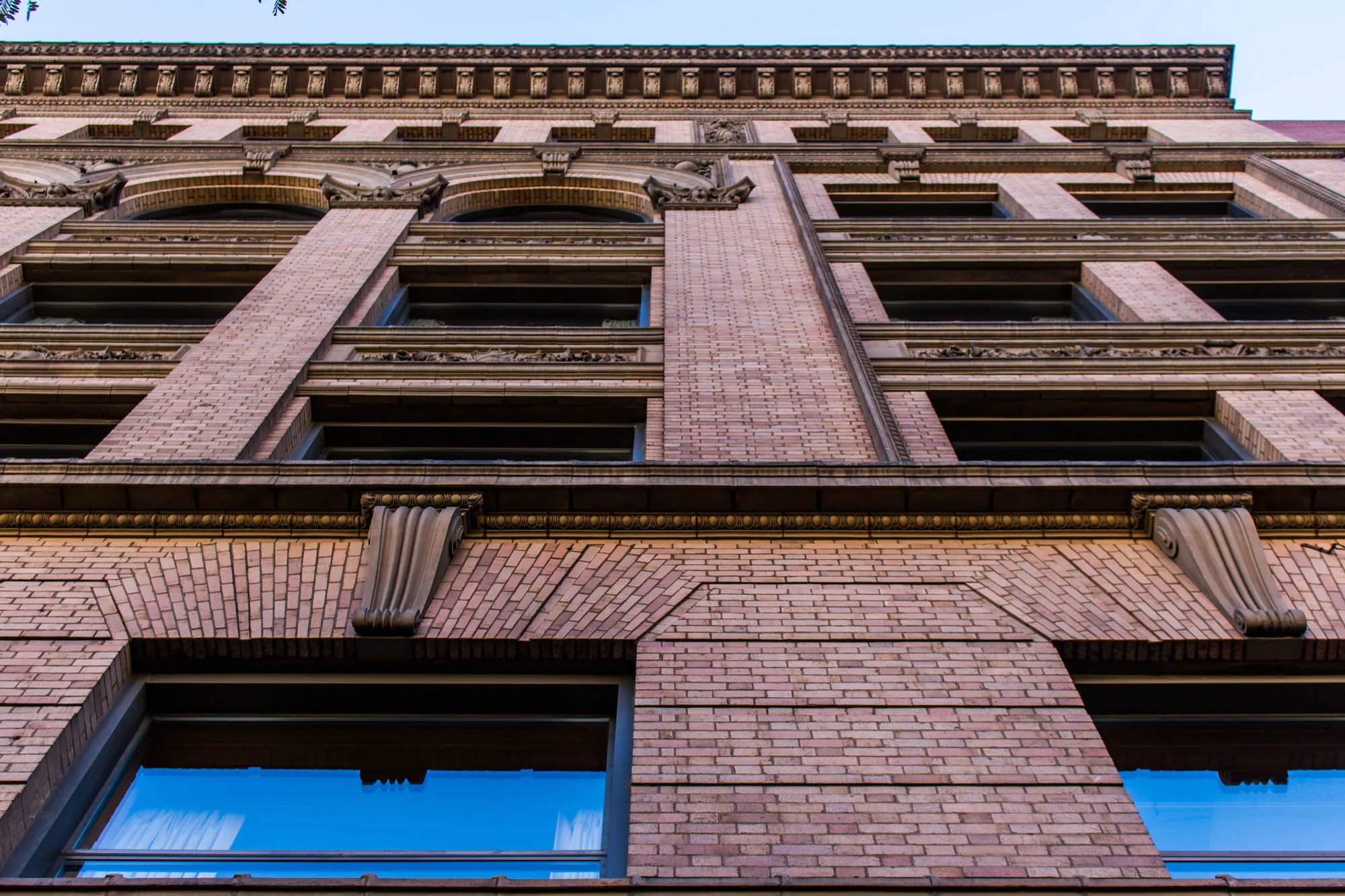
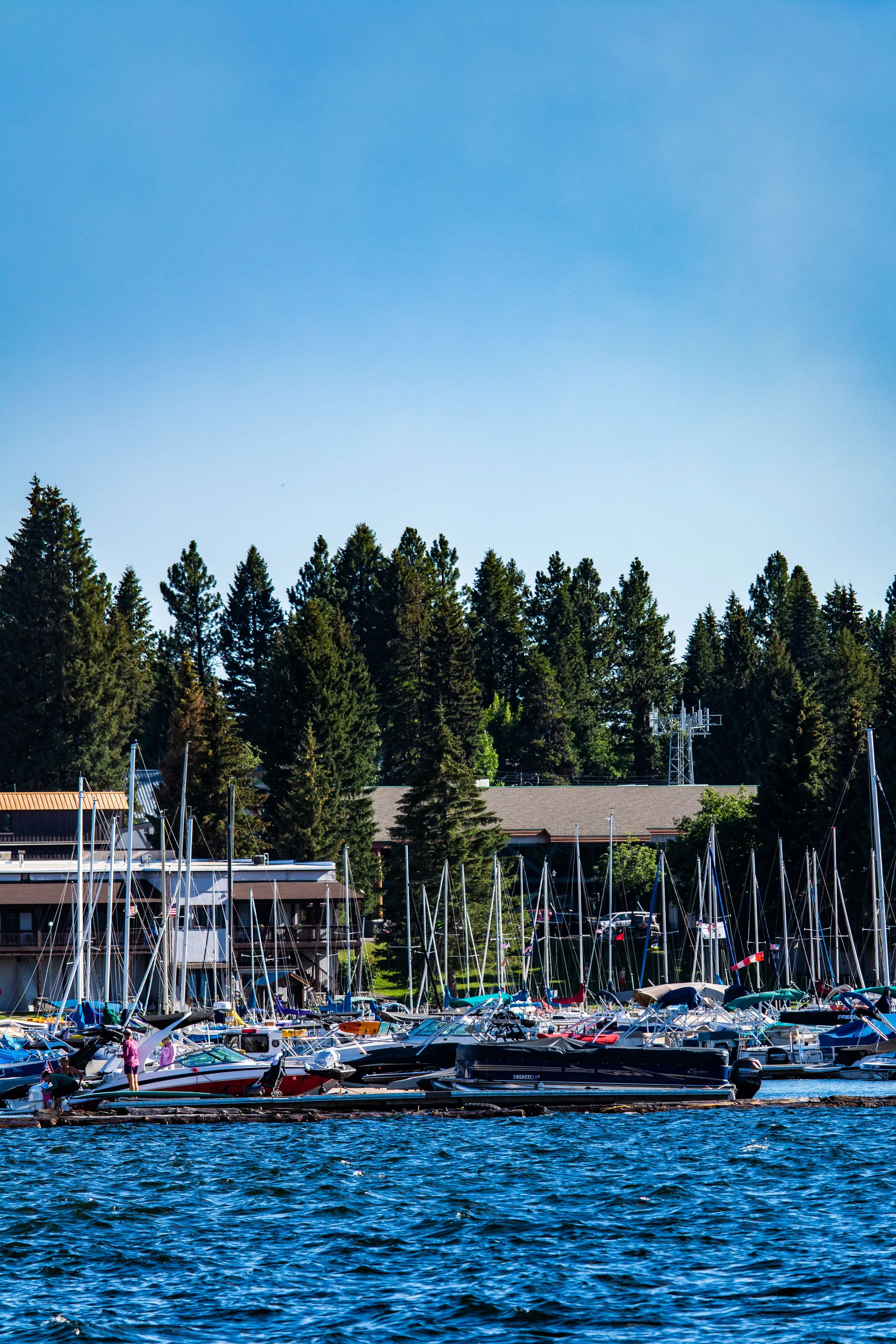
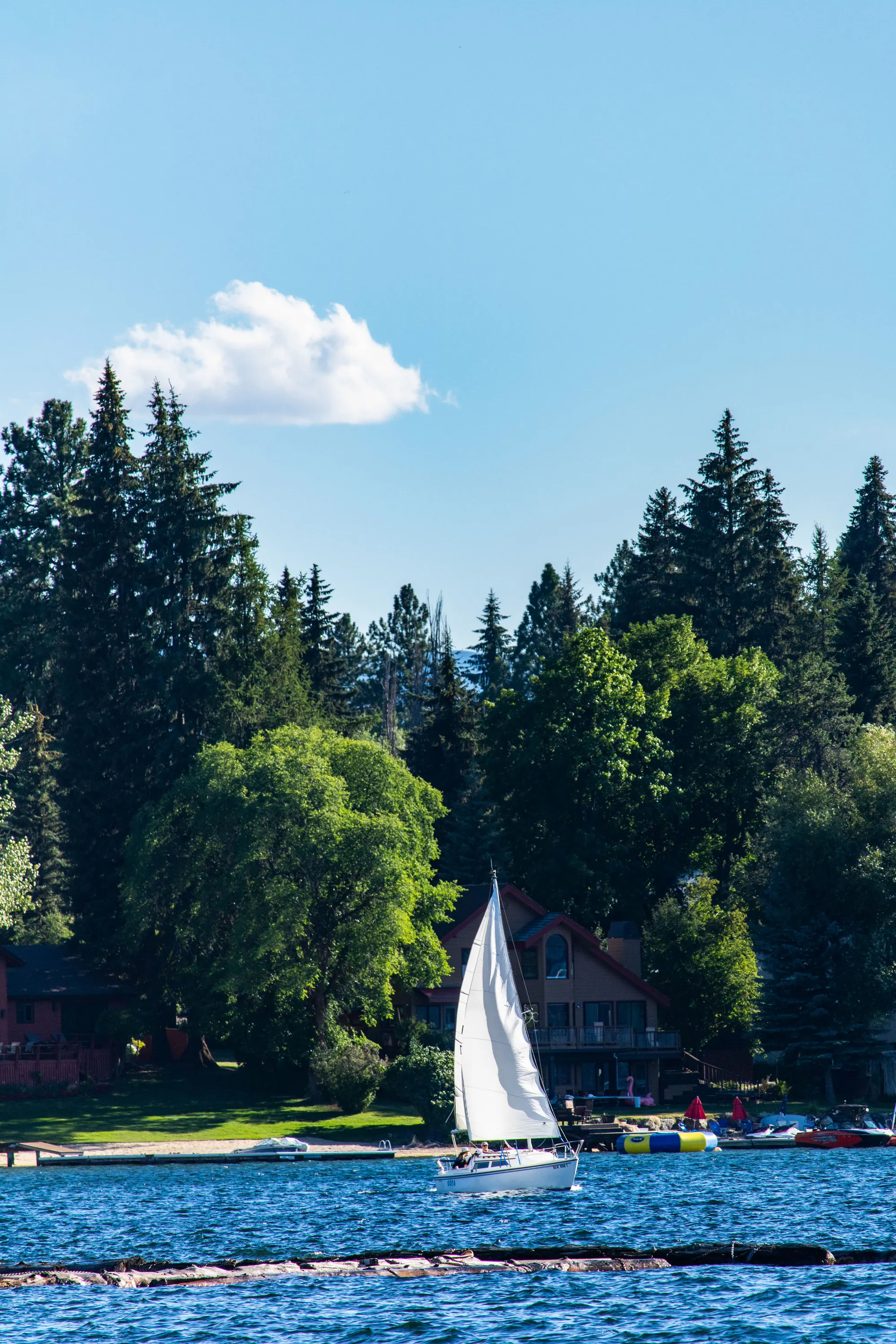
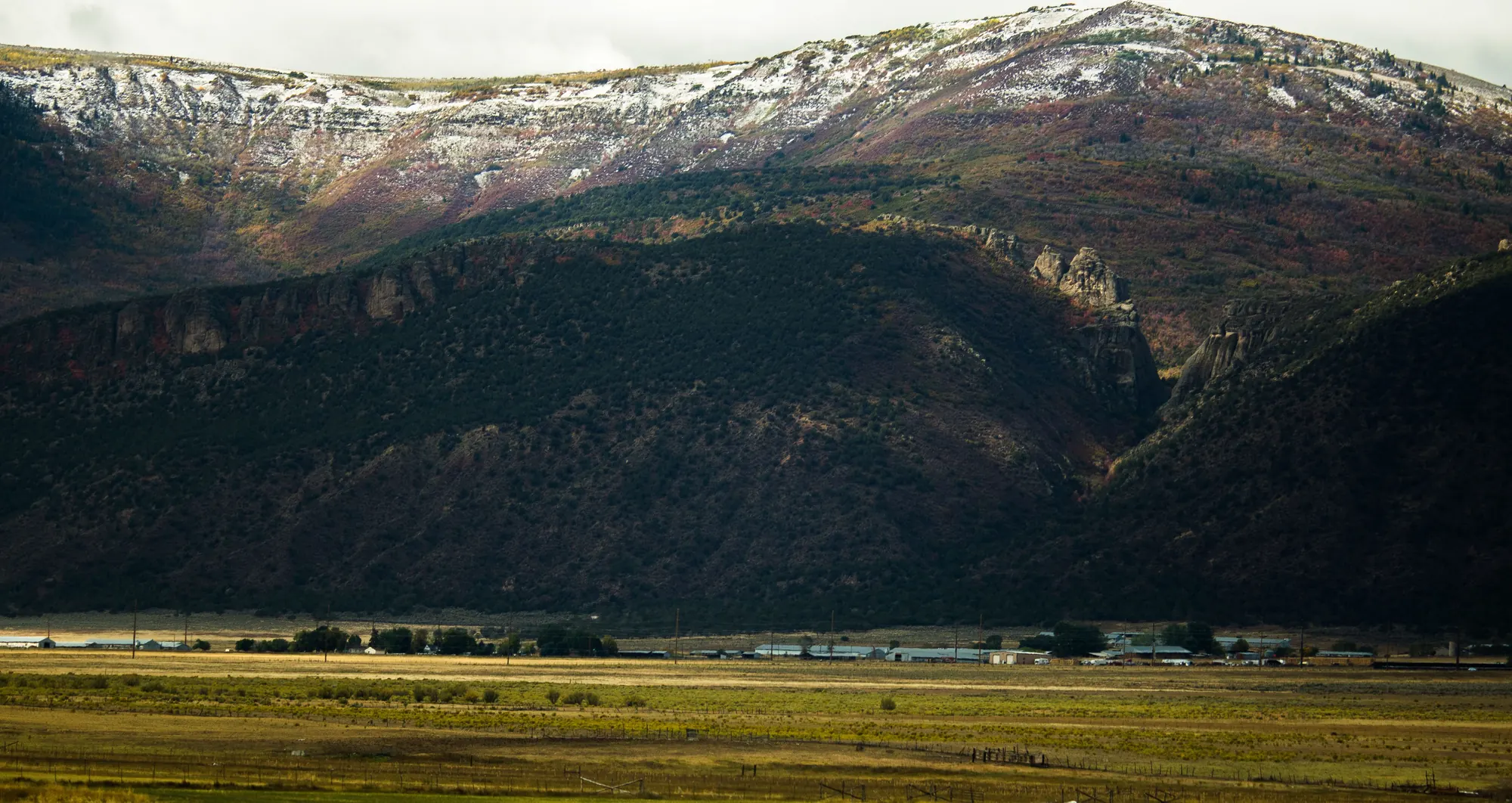
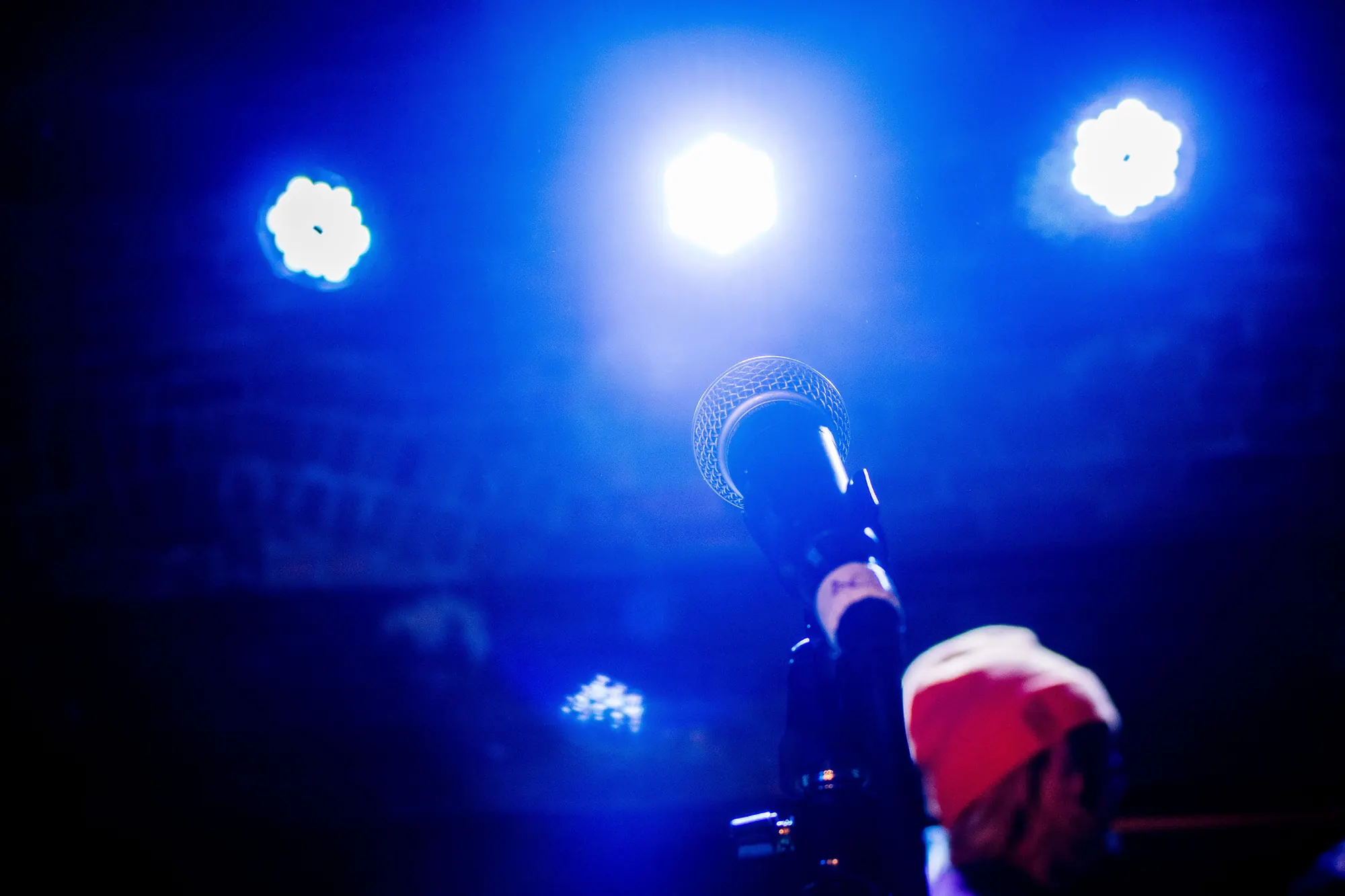
Some of the most useful work I have done has had no client, no brief, and no deadline. In June 2019 I went out with a camera and no instructions except my own eye. What came back were photos I am still glad exist. They did not solve a problem. They were practice, pleasure, and proof that I can see something worth keeping before anyone has asked me to look.
The Situation
No client commissioned these photos. I took them because I wanted to, because a moment looked like it was worth catching, and because letting that instinct go unused felt like a small loss. Personal work is easy to defer when paid jobs fill the schedule, so the decision to go out and shoot with nothing at stake was itself a choice worth making.
What Was in the Way
The hardest thing about work made purely for yourself is the absence of any external pressure to sharpen it. A client brief, even a loose one, gives you a problem to solve: a subject, a tone, a use. Without one, every decision is yours and yours alone, which sounds like freedom until you are standing somewhere with a camera and no anchor.
The risk in that position is not that the photos turn out badly. The risk is that they turn out safe. When nothing is at stake, the temptation is to default to what you already know works: the angle you have used before, the light you are comfortable reading, the moment you would have caught anyway. That is not practice, it is repetition. Real practice means trying something you are not sure will land, which requires accepting that some of it will not.
The other cost is invisibility. Personal work that stays on a hard drive helps nobody, not even the person who made it. The photos only become evidence of anything, skill, vision, range, once they are shown. That means editing them honestly, choosing the ones that actually work rather than the ones you are attached to, and putting them somewhere a reader can find them. That discipline is harder without a client to hold you accountable.
What I Did
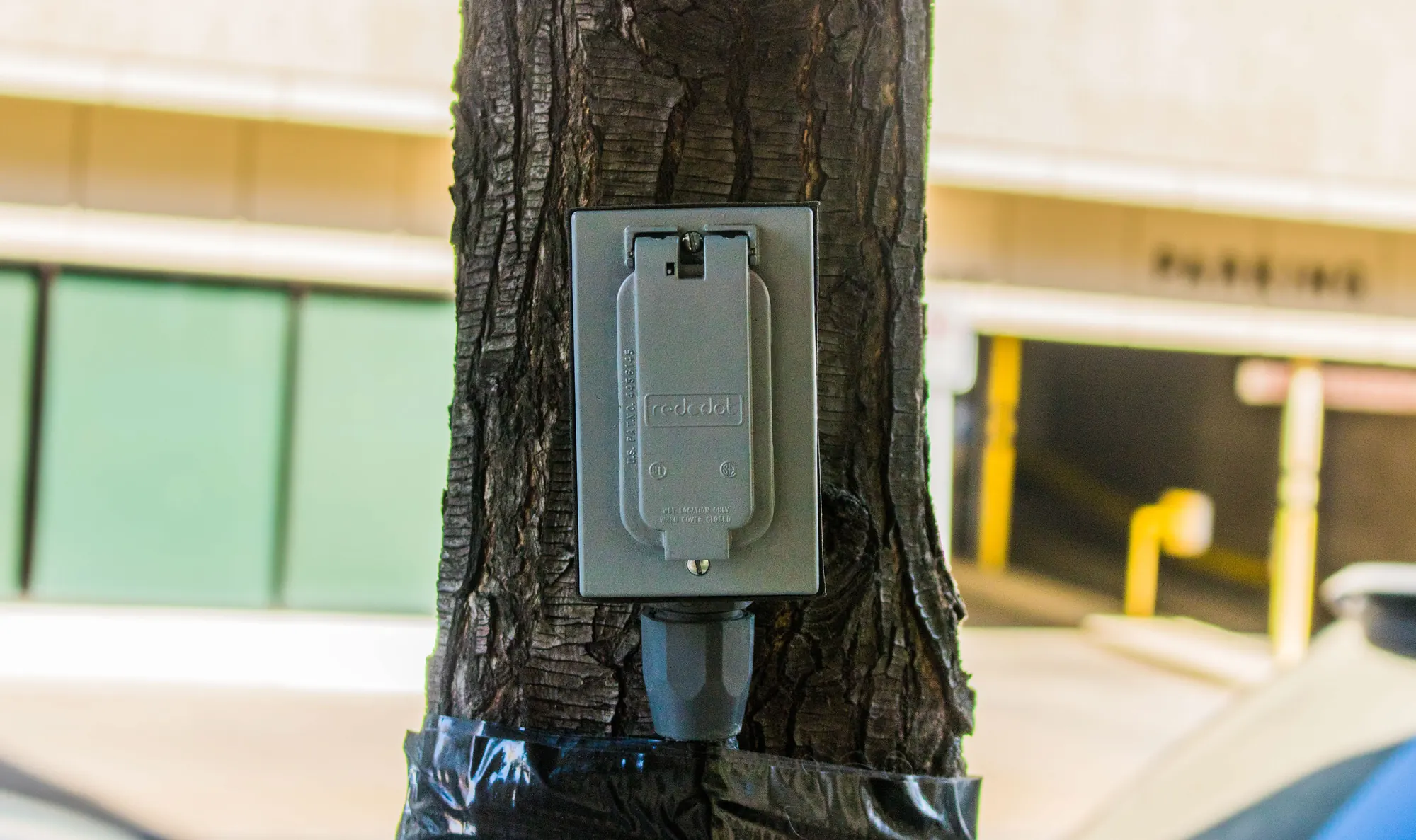
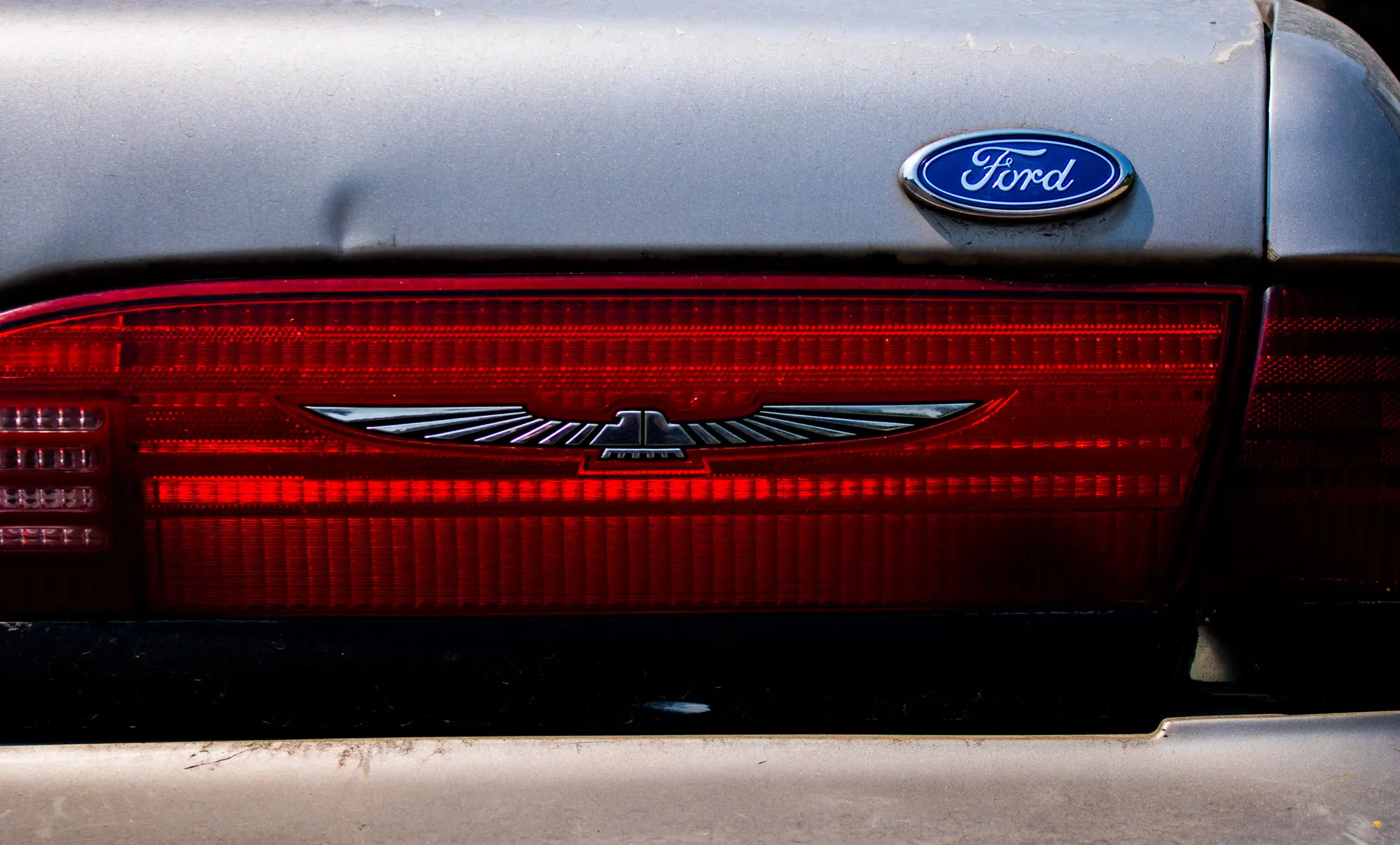
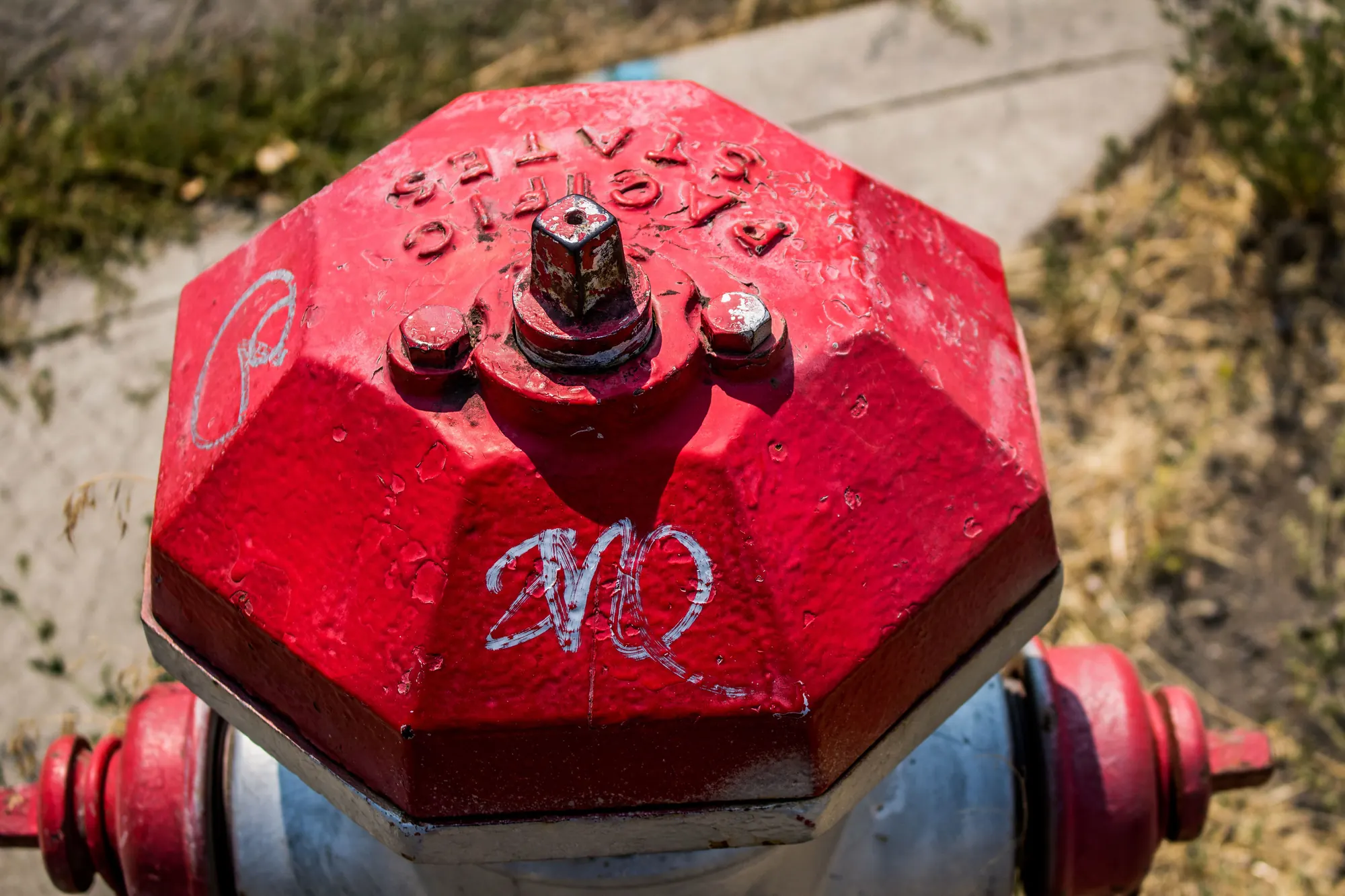
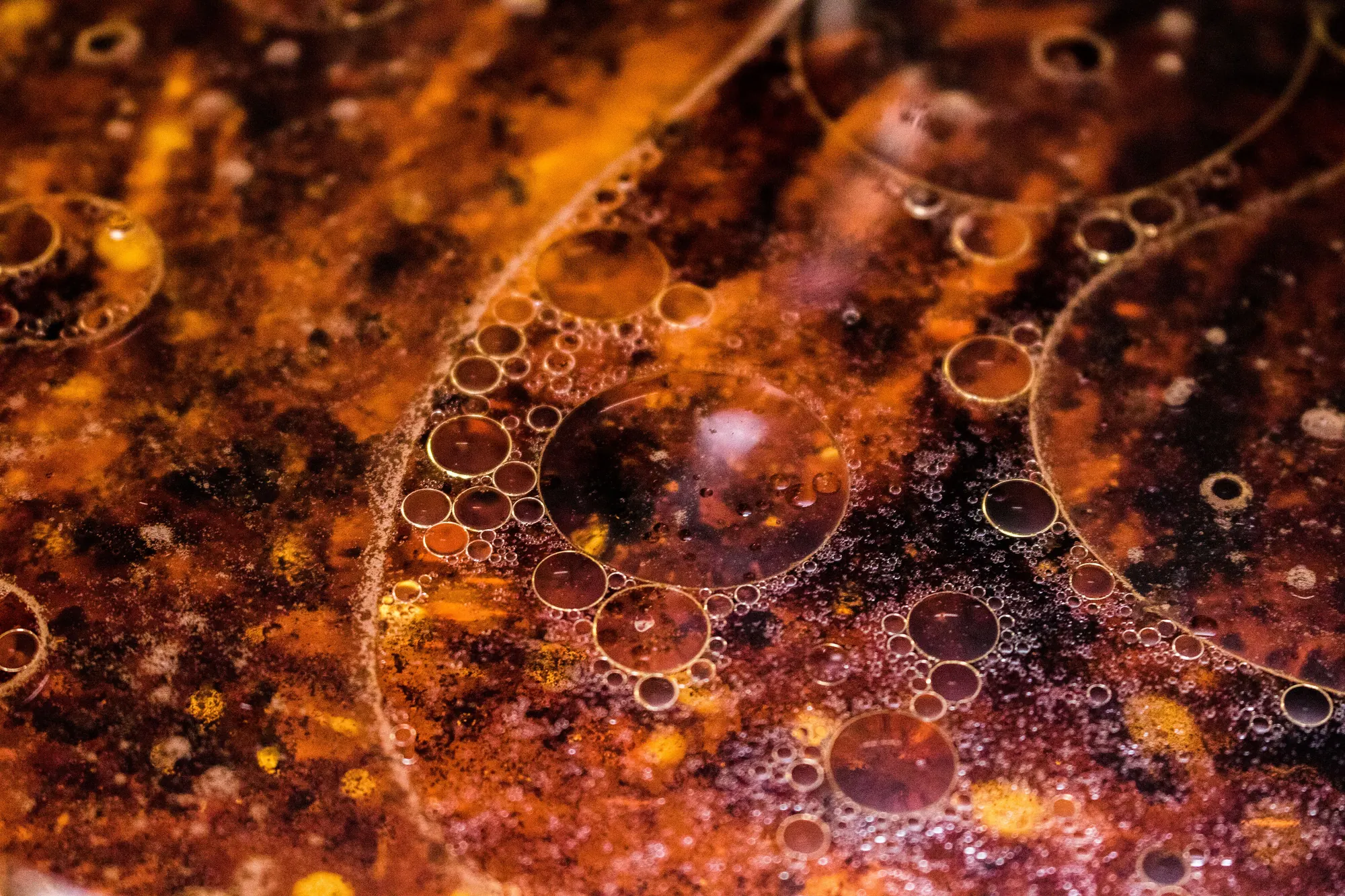
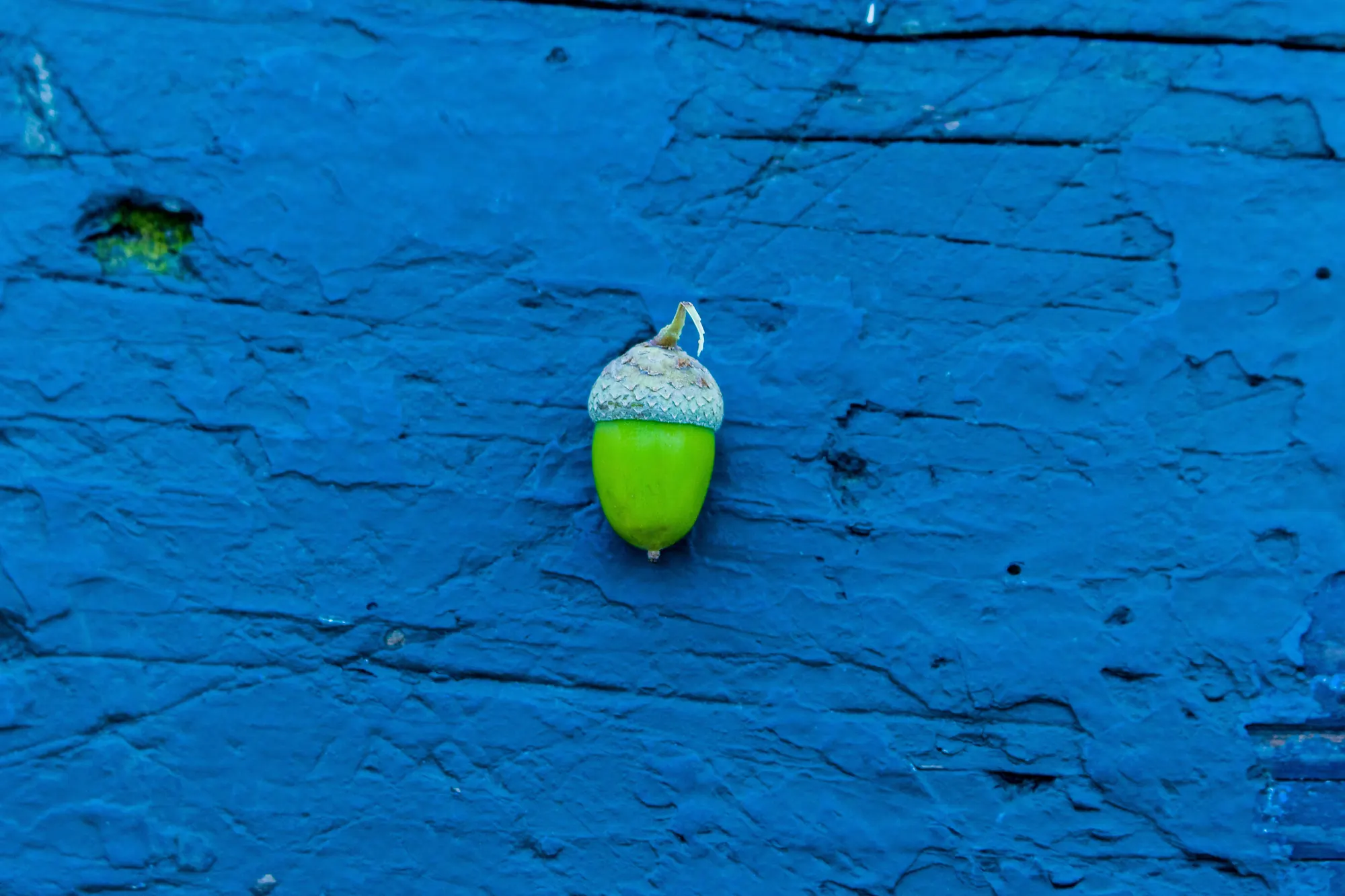
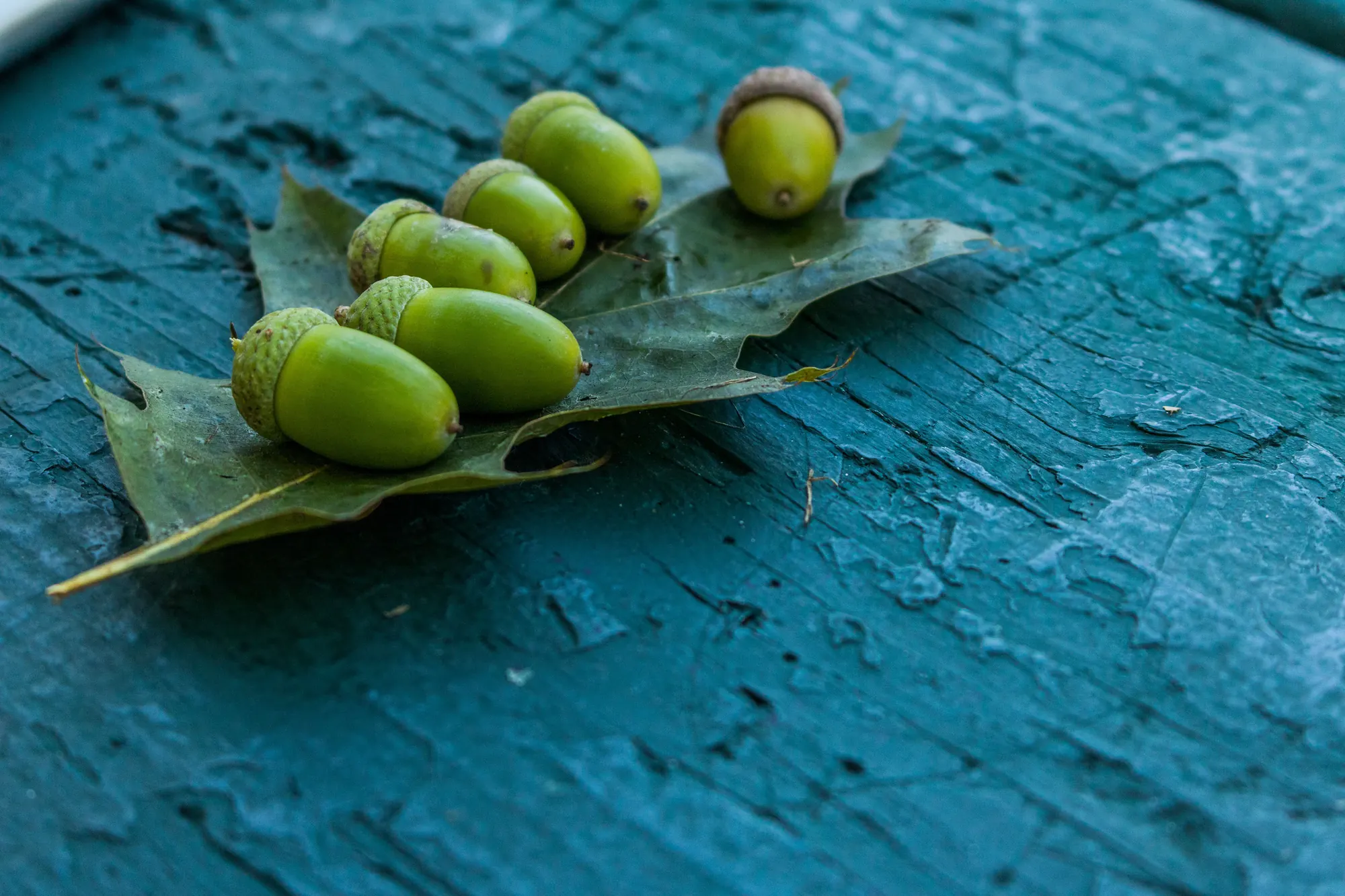
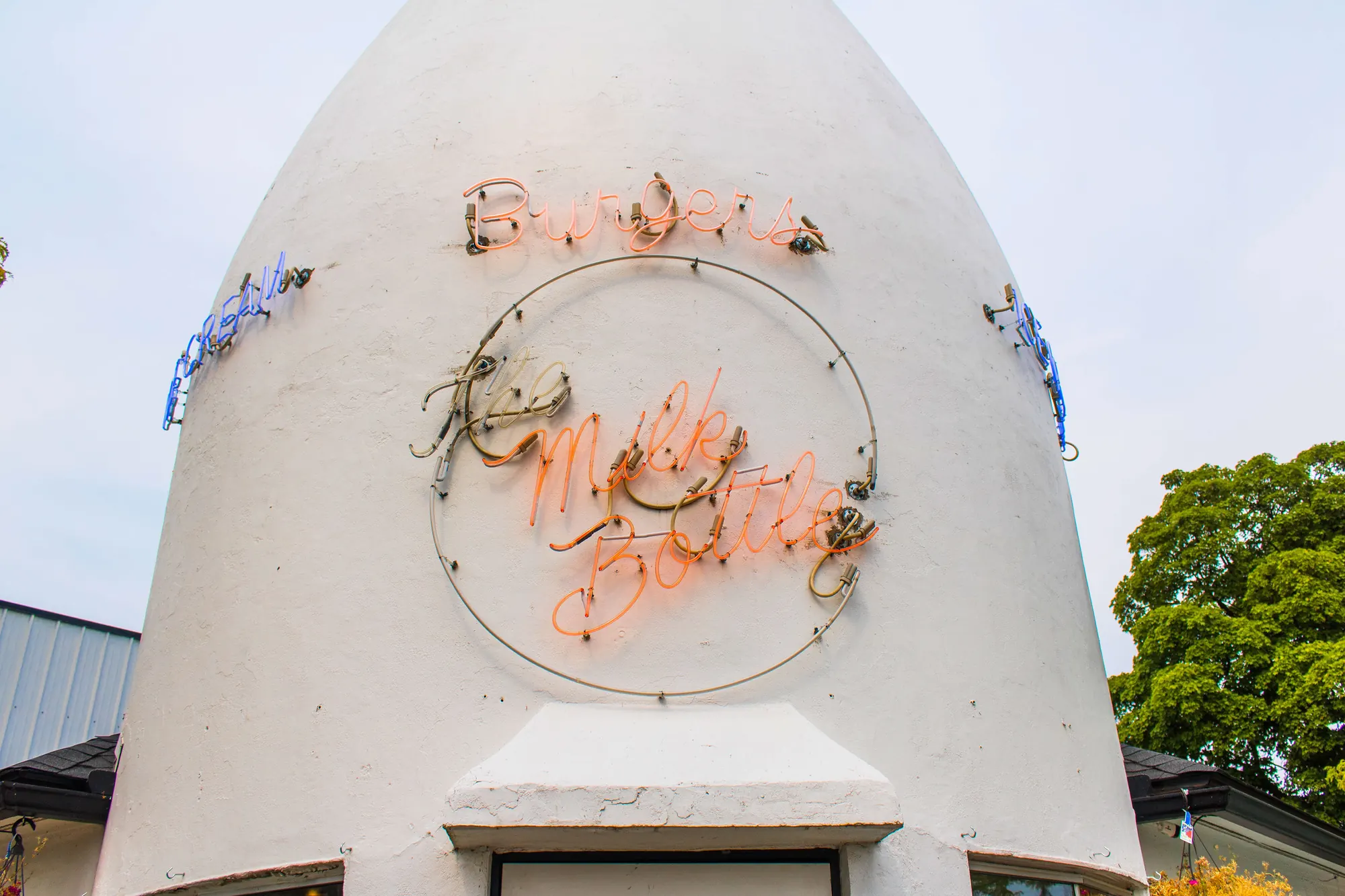
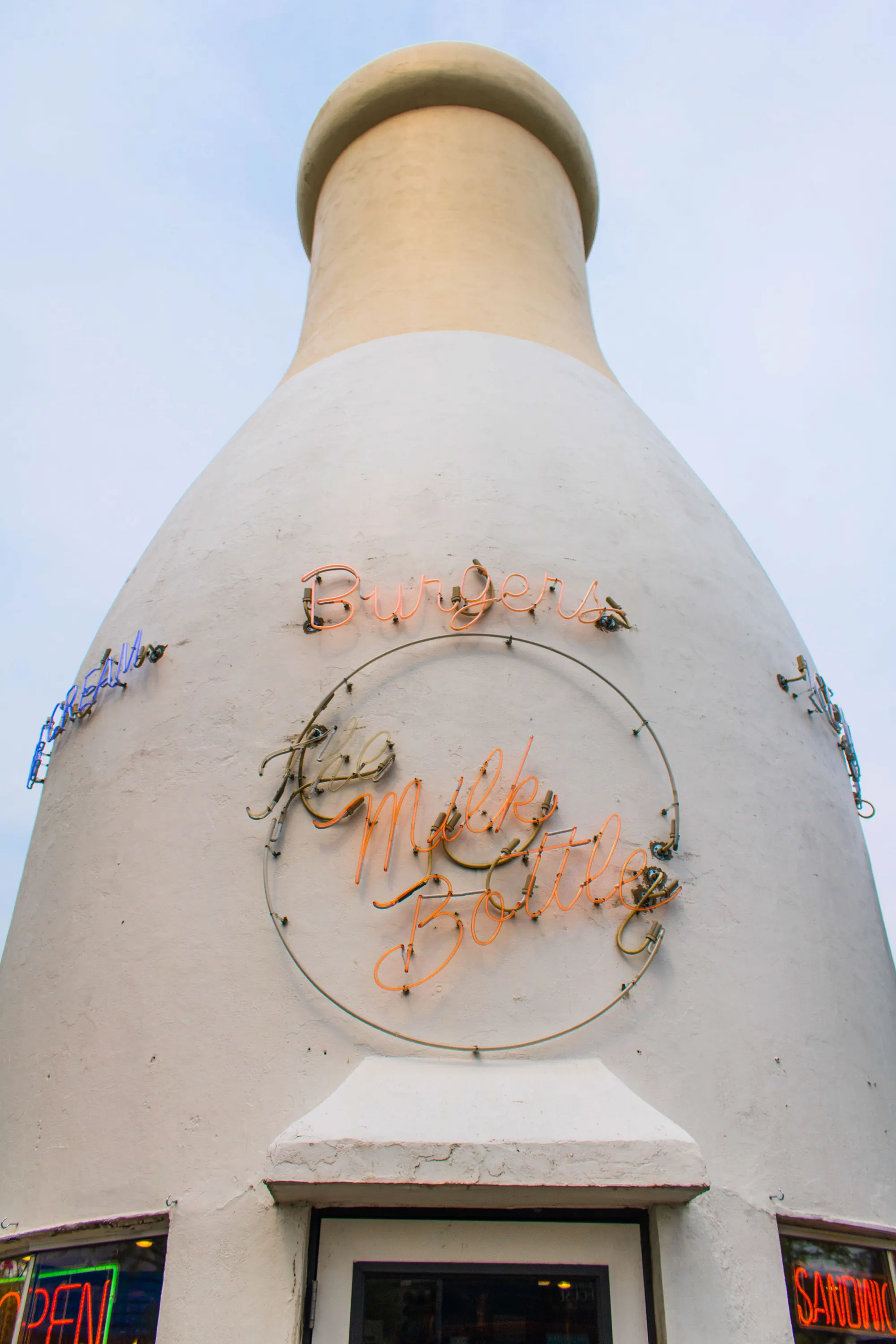
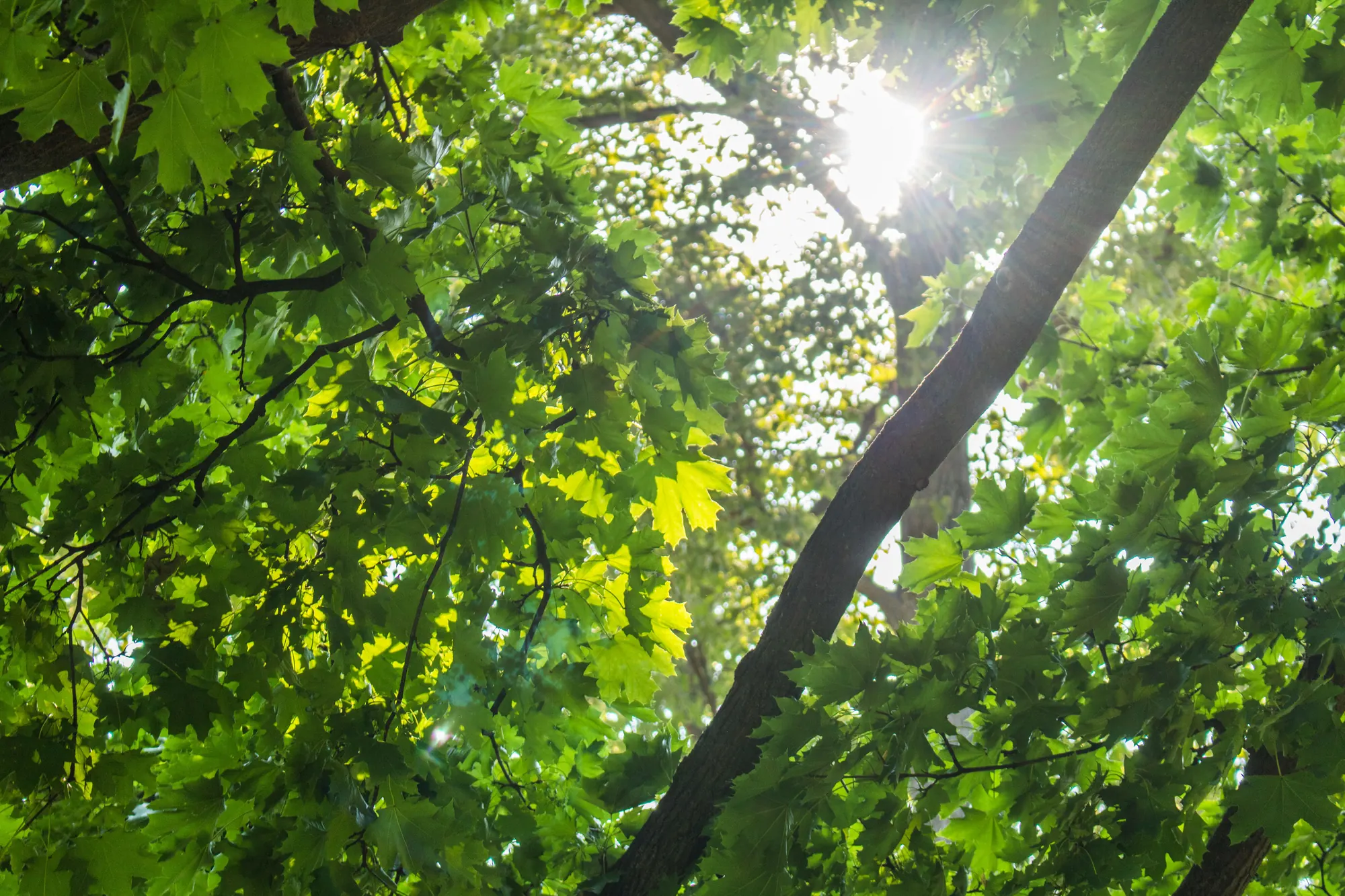
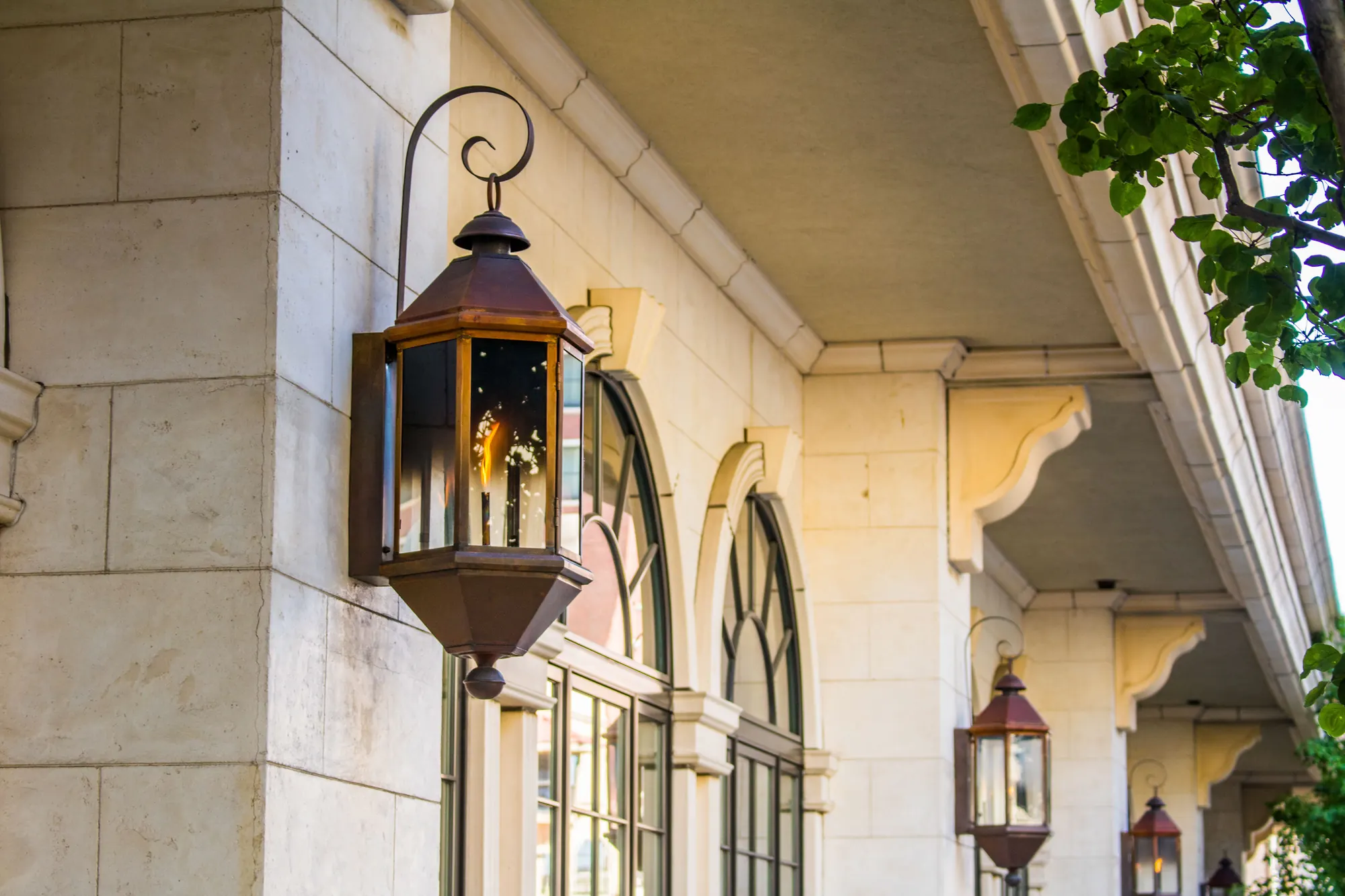
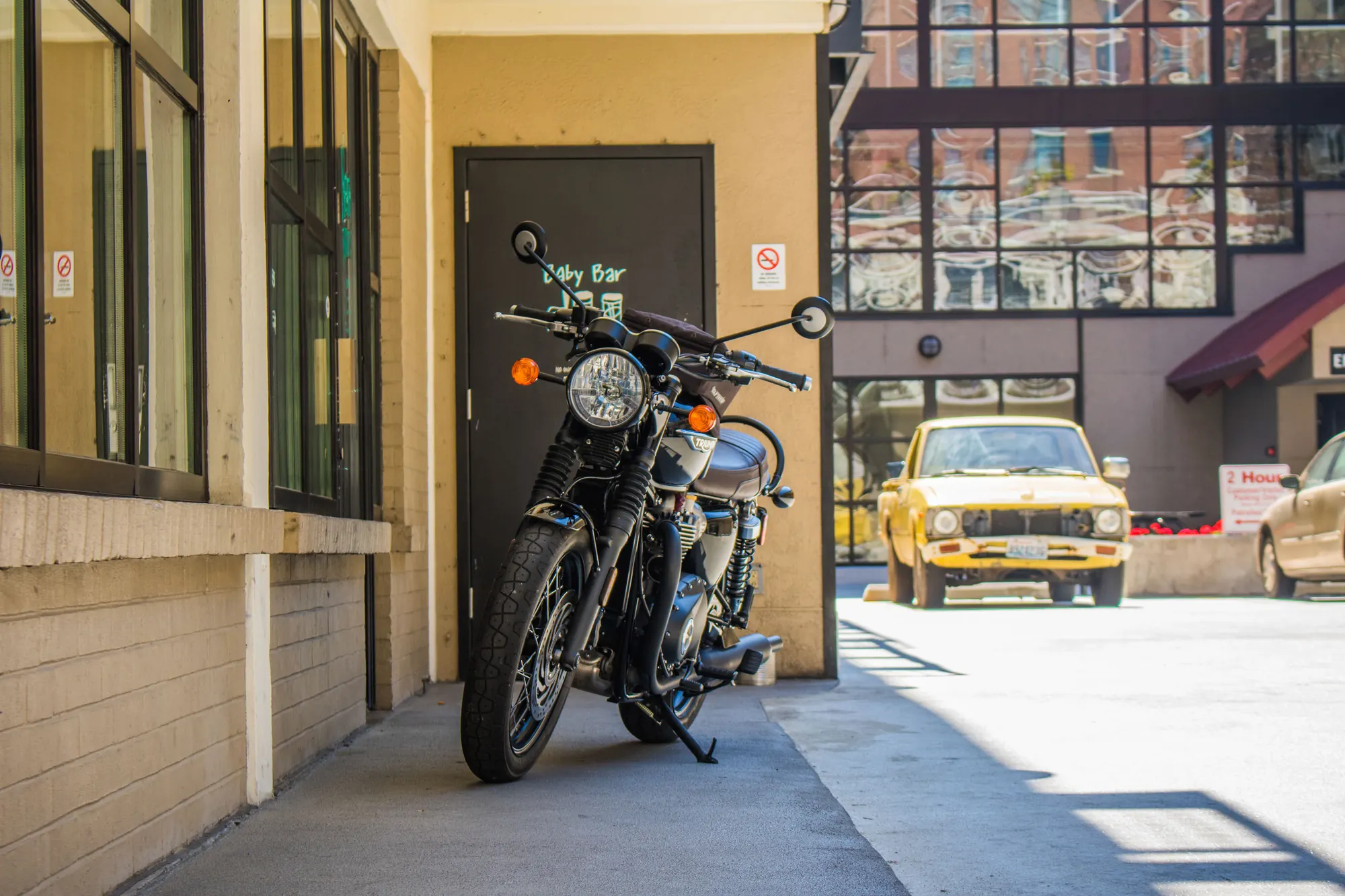
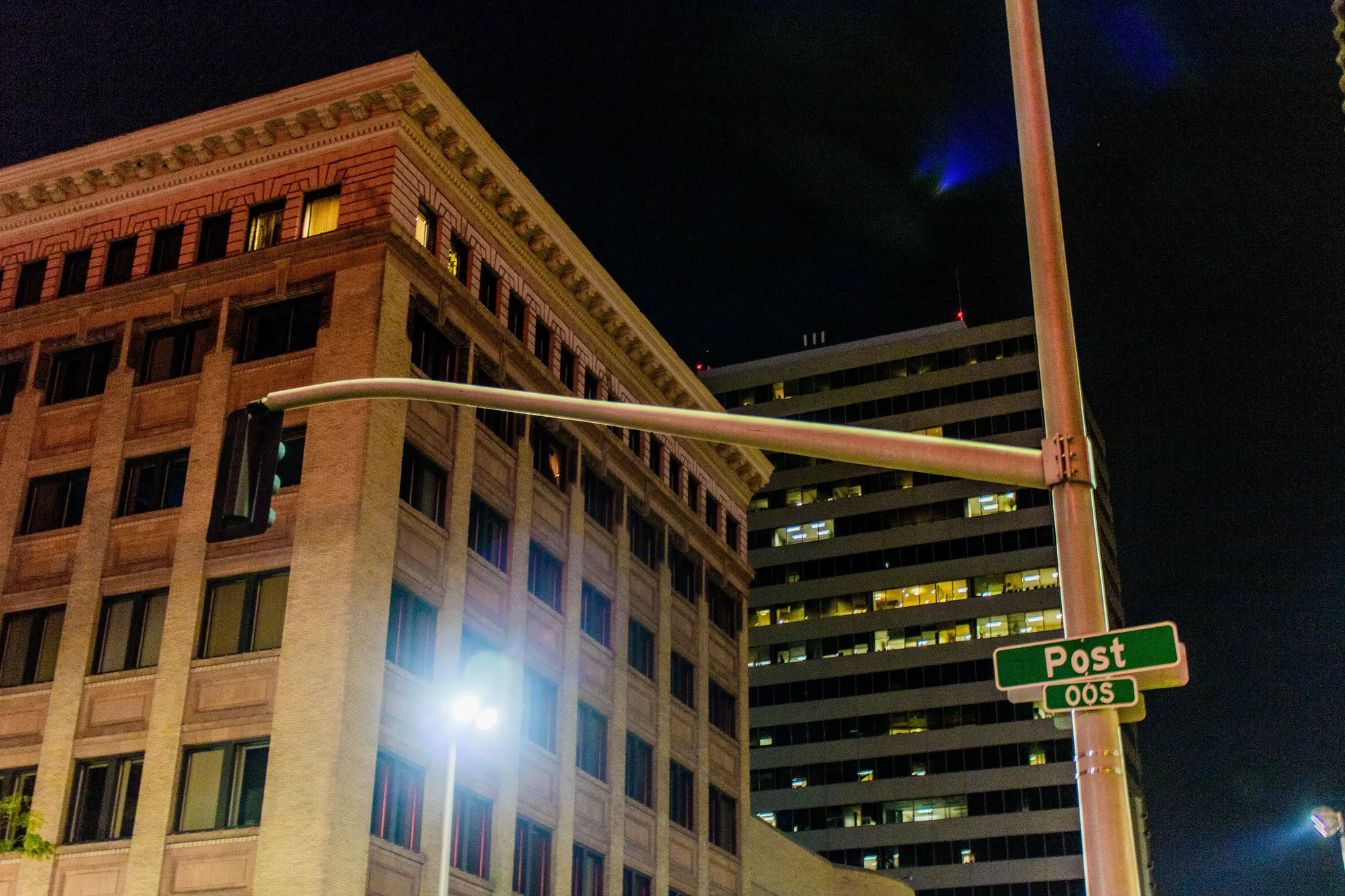
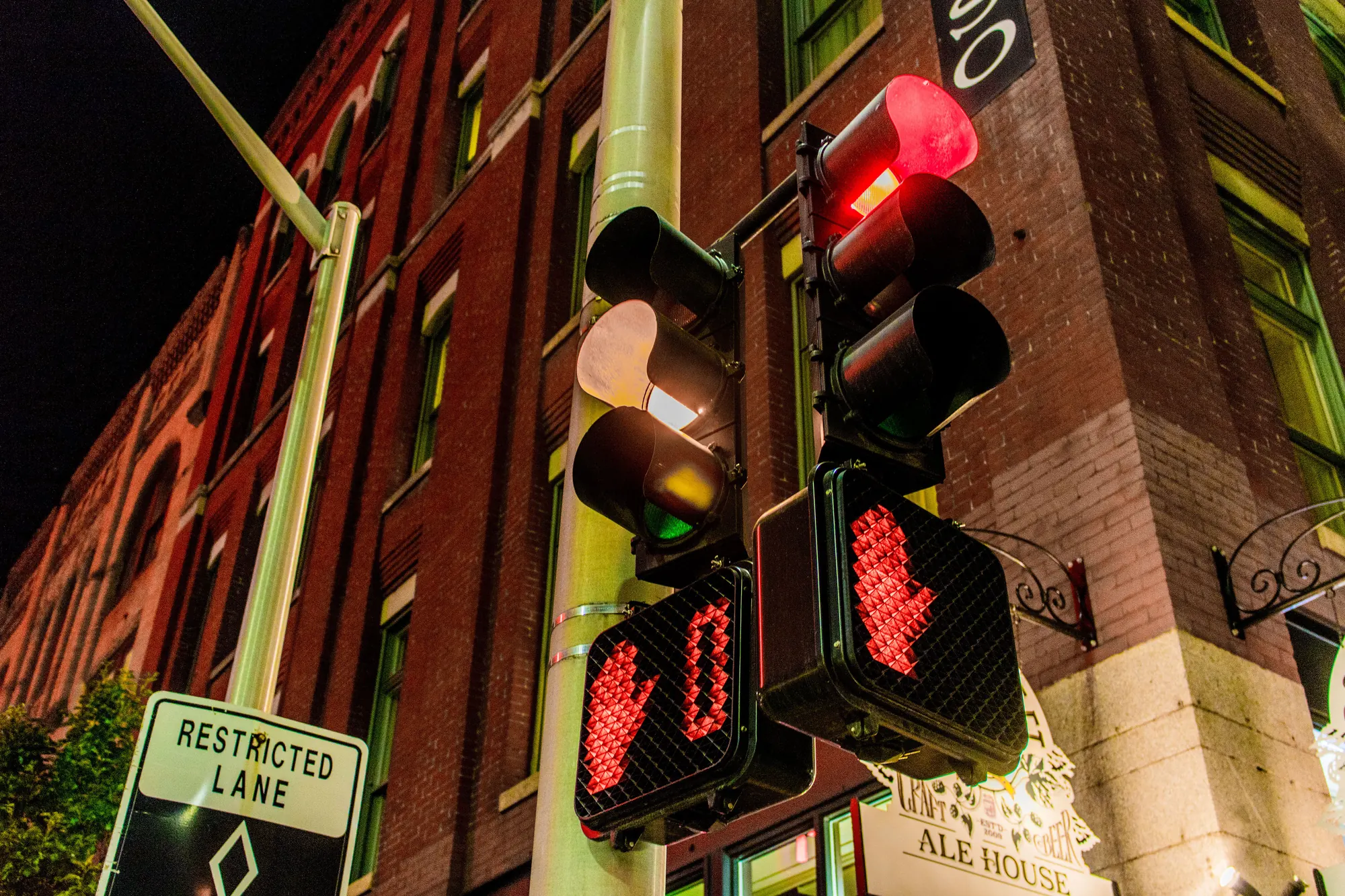
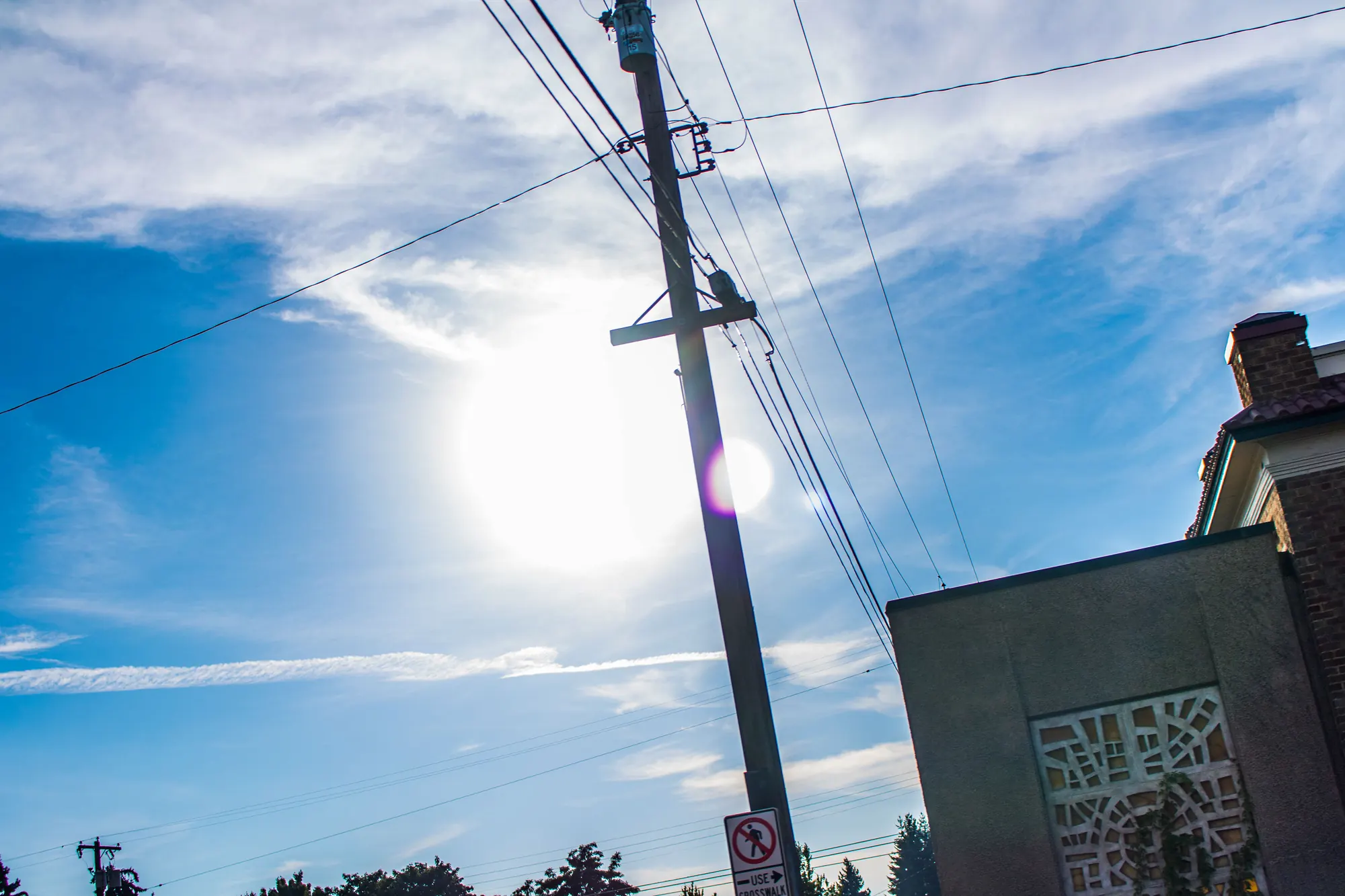
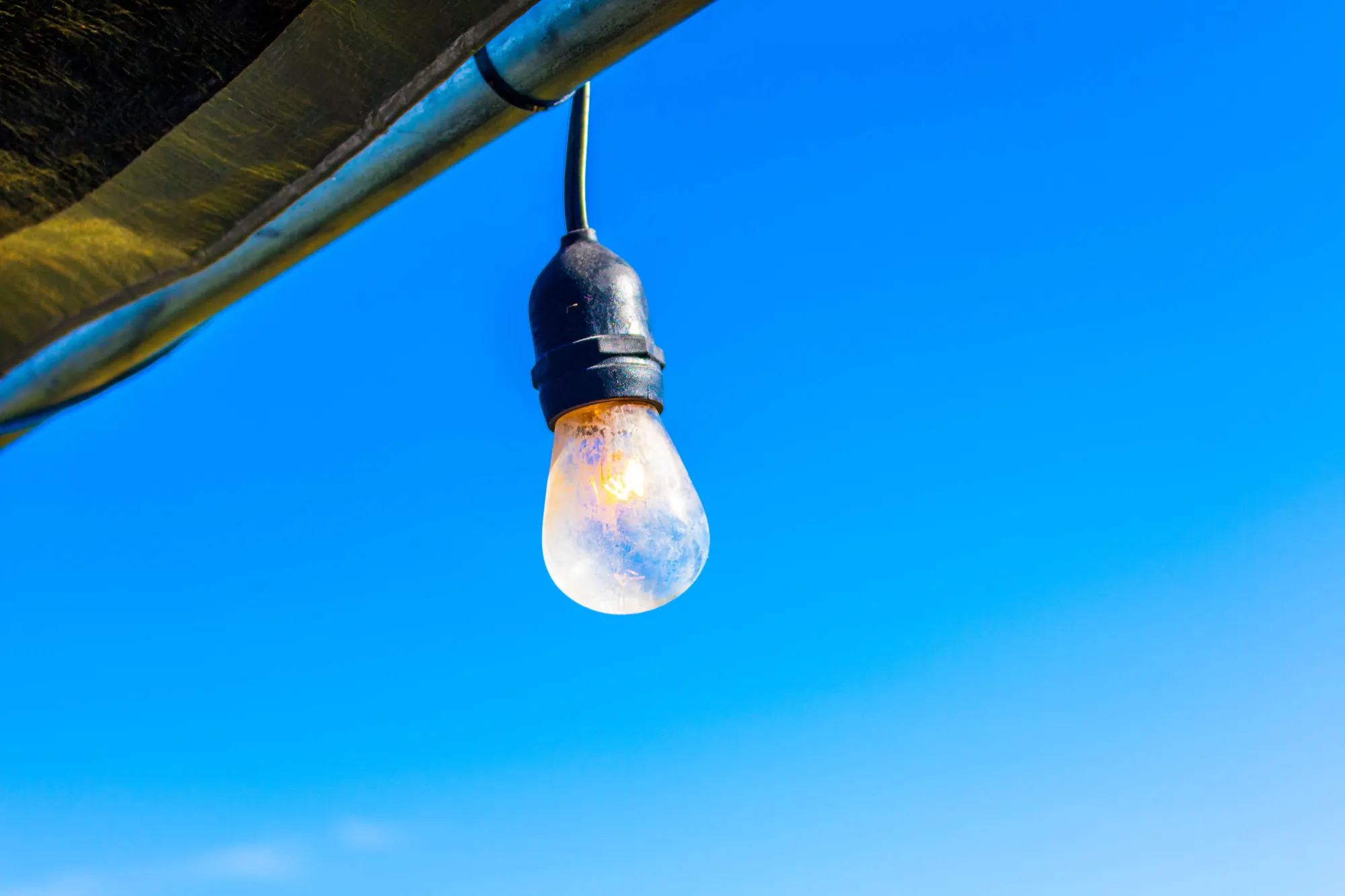
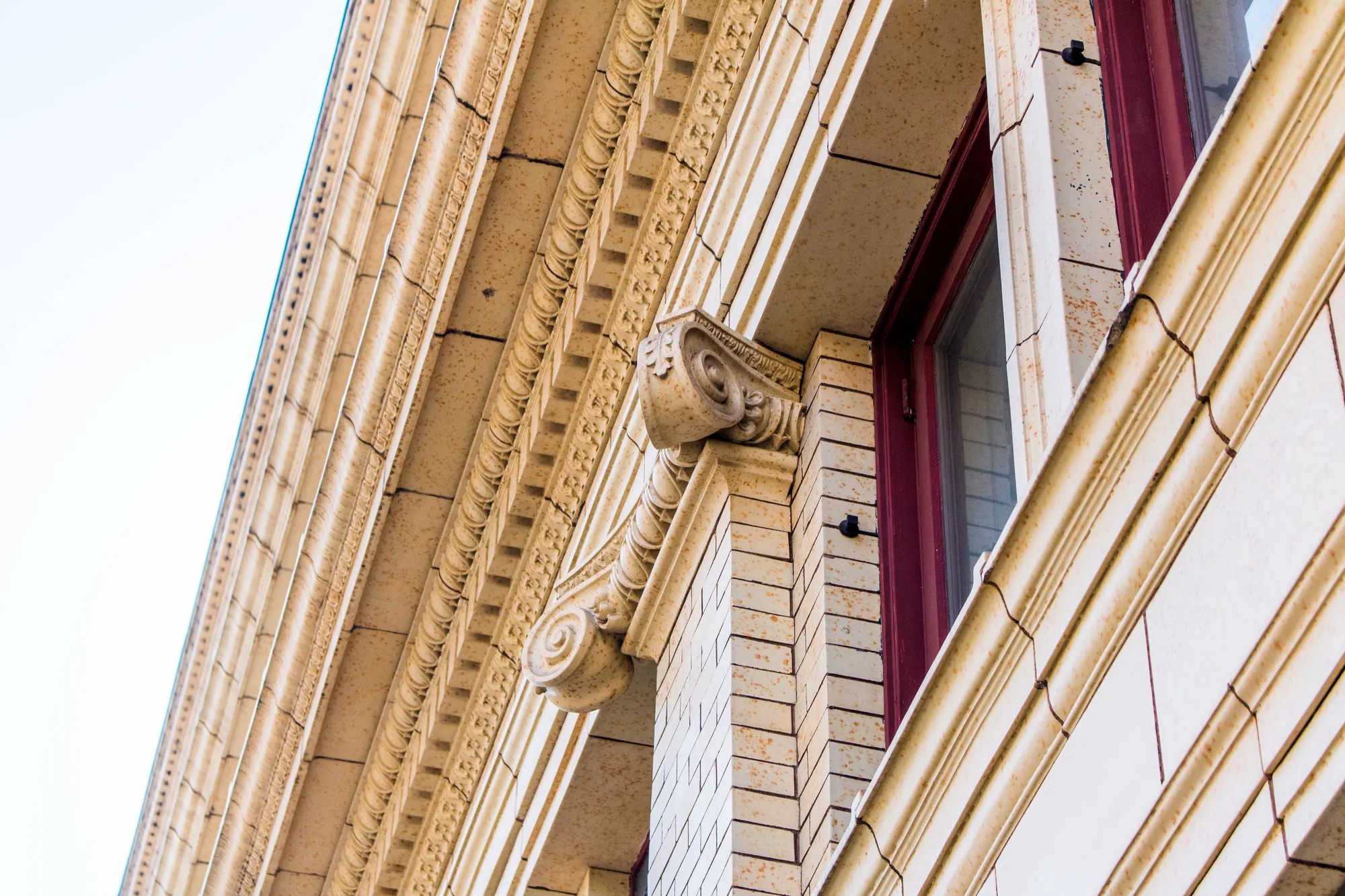
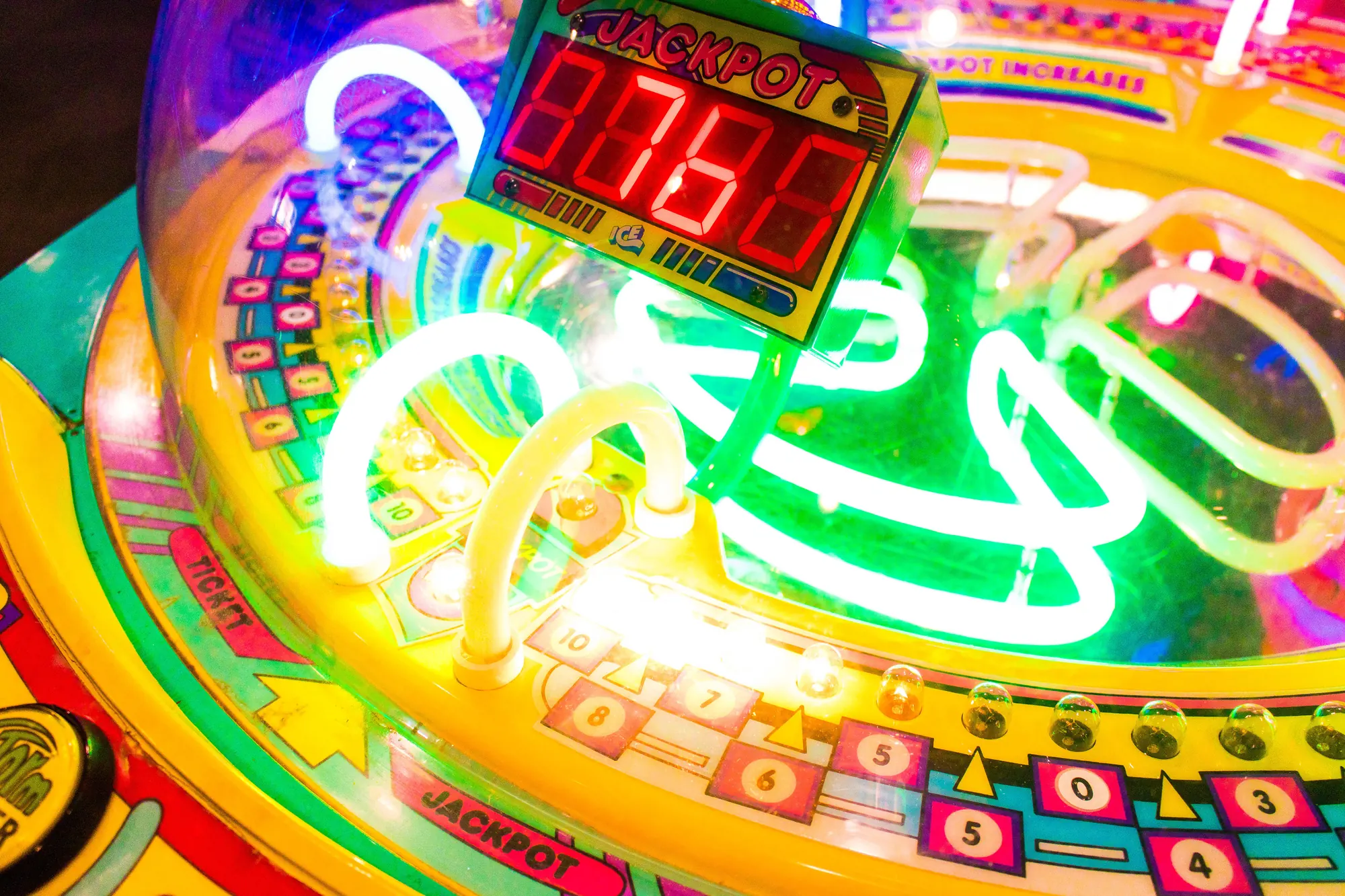
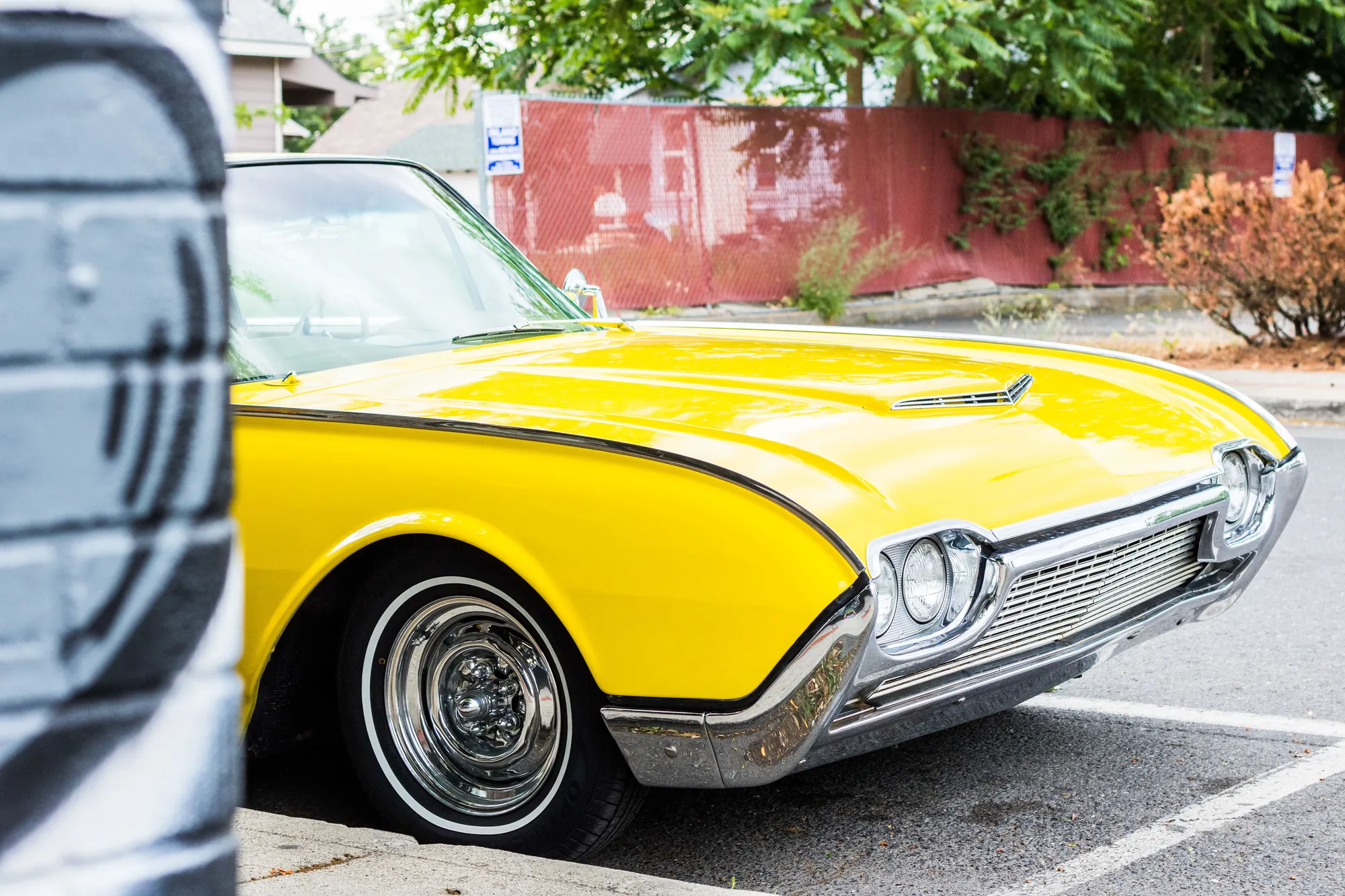
I went out without a fixed subject. That was deliberate. Arriving somewhere with a narrow plan tends to produce exactly what the plan predicted, and I was more interested in what I had not anticipated. So I followed light and movement and whatever pulled my attention, and I made decisions in the moment about distance, angle, and timing rather than setting them in advance.
I rejected the idea of a theme before I started. Retrospective themes are easy to impose on any set of photos; I did not want to edit toward a tidy story that was not actually there. The selection I kept is the selection that held up when I looked at it honestly, not the one that fit a caption.
Some photos I expected to work did not. Some I took almost without thinking turned out to be the ones I was most interested in afterward. That gap between intention and outcome is worth paying attention to. It told me something about where my instincts are ahead of my planning and where my planning is ahead of my instincts.
What I did not do is treat the work as preparatory, as a warm-up for a real job. These photos were the job. Treating personal work as practice-for-something-else is a way of not quite committing to it, and the results tend to show that half-commitment.
What Happened
The photos exist. That sounds like a small thing, but work that does not get made does not exist to be looked at, returned to, or learned from. These do.
Looking back at them, I can see decisions I would make differently and decisions I would make the same way again. That is the most honest account of what happened: not a dramatic shift in how I work, but a set of pictures that tell me something true about where I was with my eye in June 2019 and what I was drawn to look at. That is worth more than a vague intention to practice that never became actual photos.
What I Took From It
Personal work without a brief is not easier than commissioned work. It is harder in a specific way: all the structure has to come from you. I took from this that I need to go out without an agenda more often, because the photos I did not plan for were the ones I was most glad to have. I also took a reminder that editing your own work honestly, cutting the photos you like for the wrong reasons, is a skill that commissions do not always develop, because clients sometimes want the safe version.
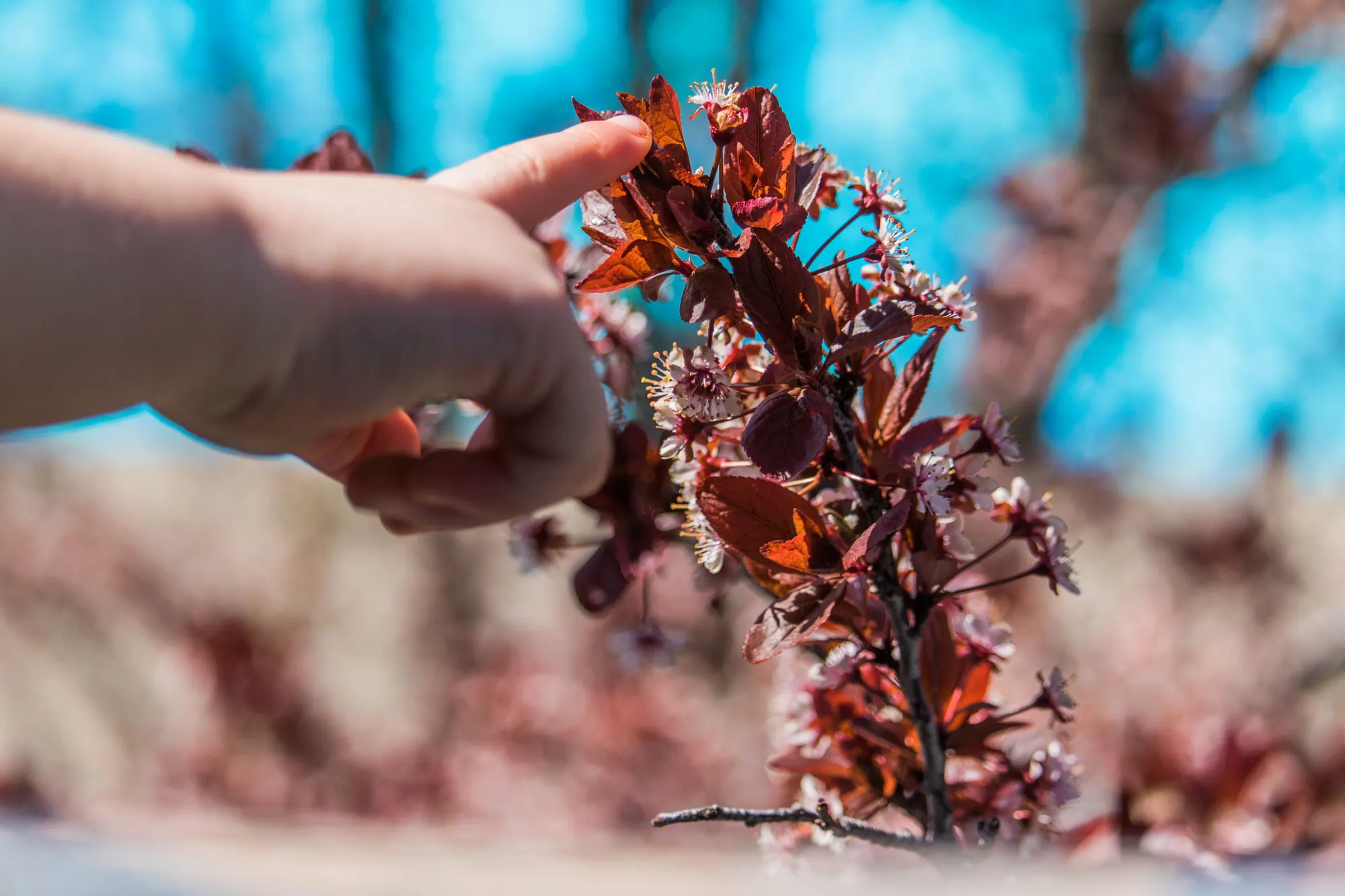
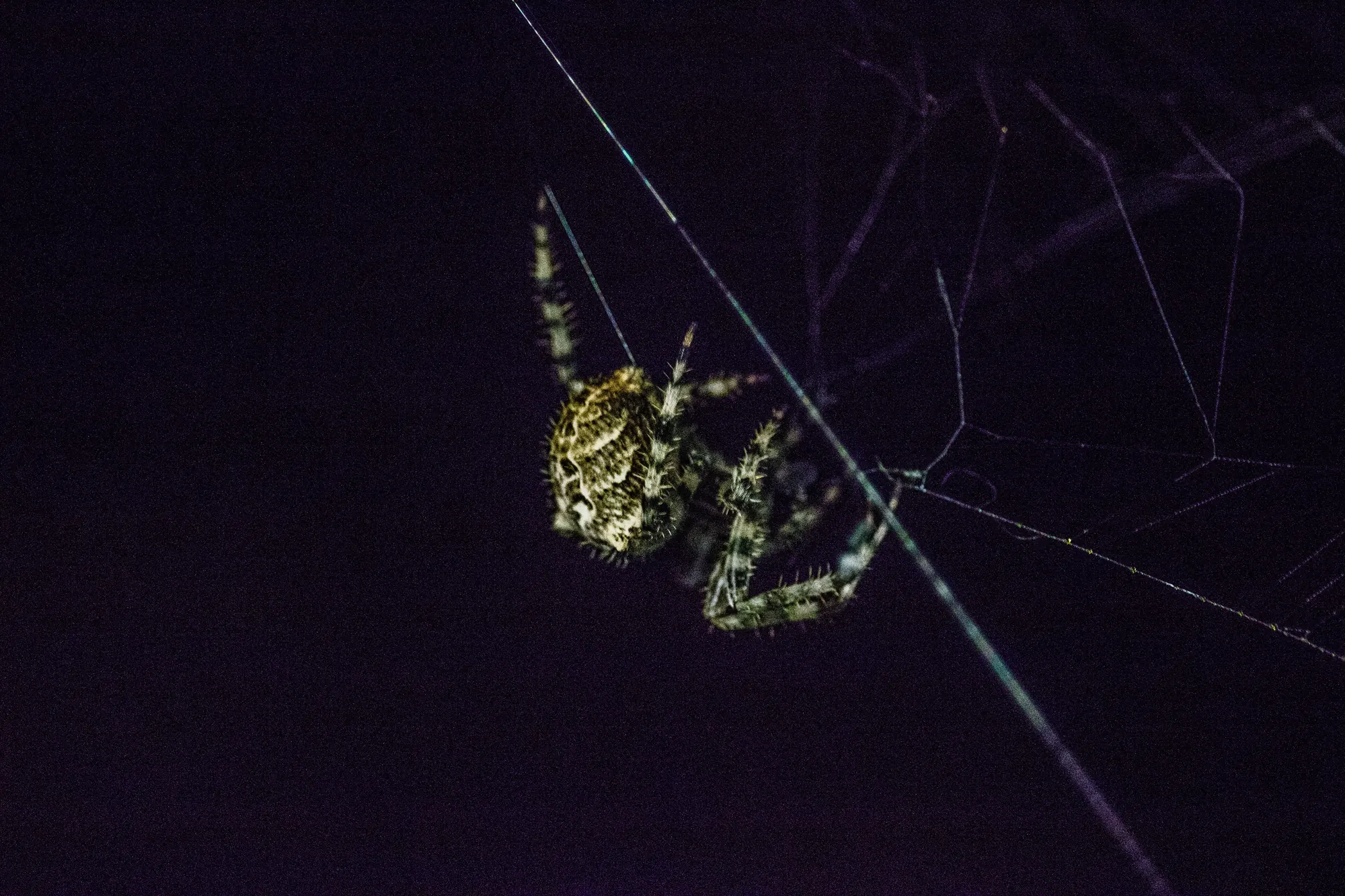
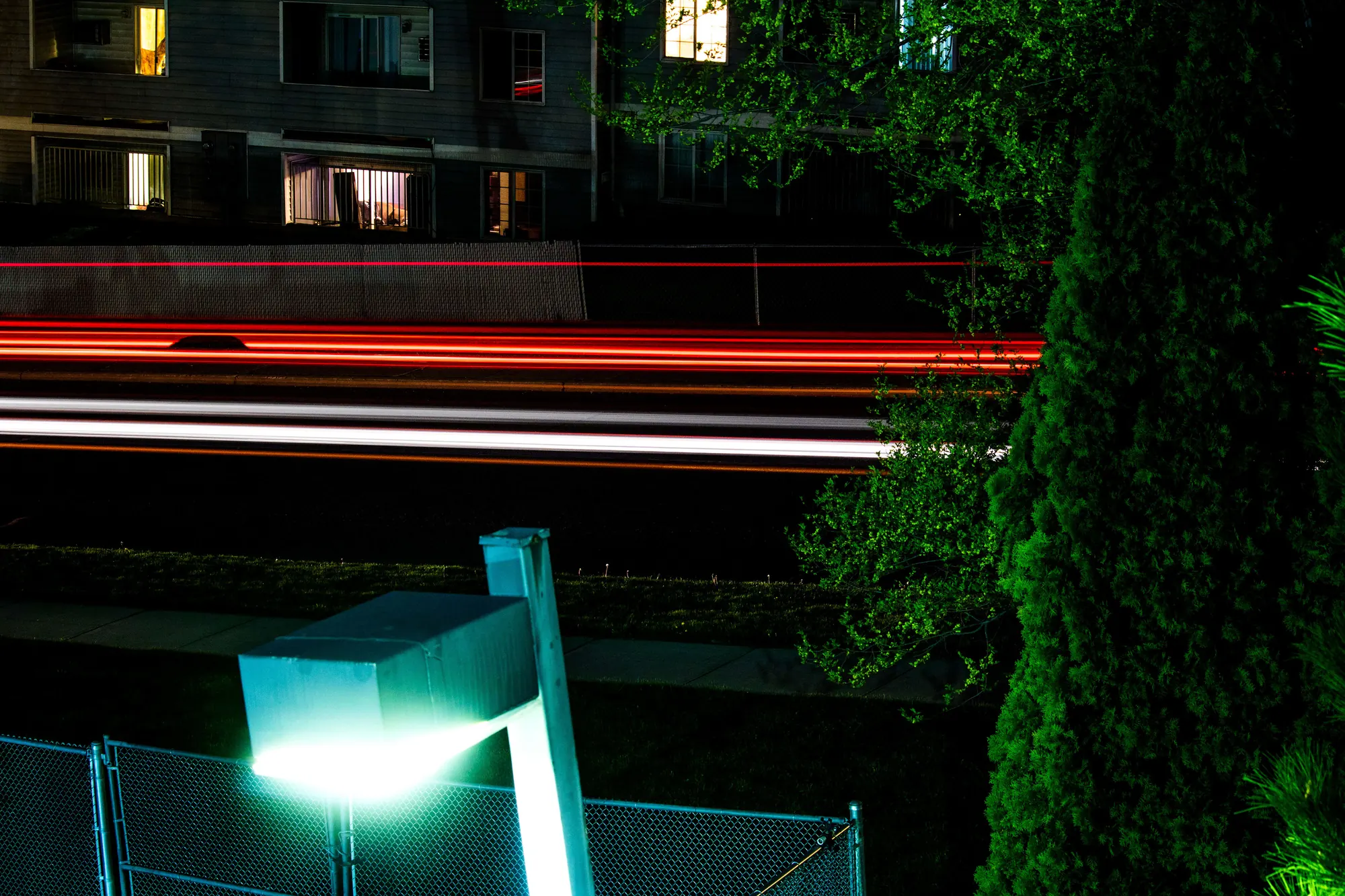
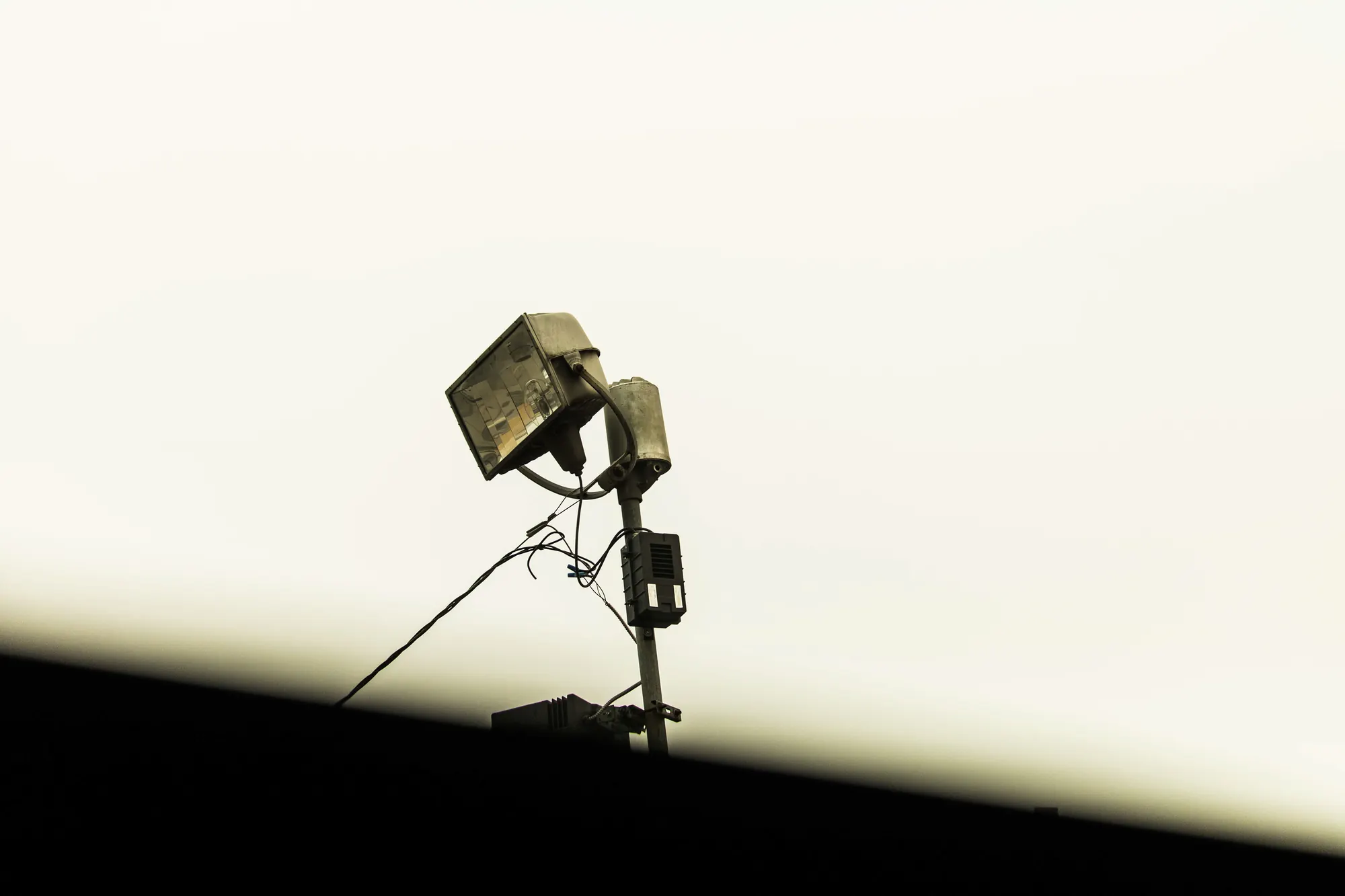
The photos I did not plan for were the ones I was most glad to have.
/More images 45 from this project

In their words
"
/Behind the scenes
/Index
- 2019
- Photography
- Photographer
- Photography, Personal Work, Practice, Visual Instinct, Editing