Jakaria
EA free shoot that showed what was possible and exactly where the business thinking broke down.
Two hundred photos delivered, then silence where a career could have been
- Categories
- Photography
- Role
- Photographer
- Software
- Adobe Lightroom
- Language
- Framework
- Script
- Hardware
- Canon Rebel t6i
- Service
/Live References
The story
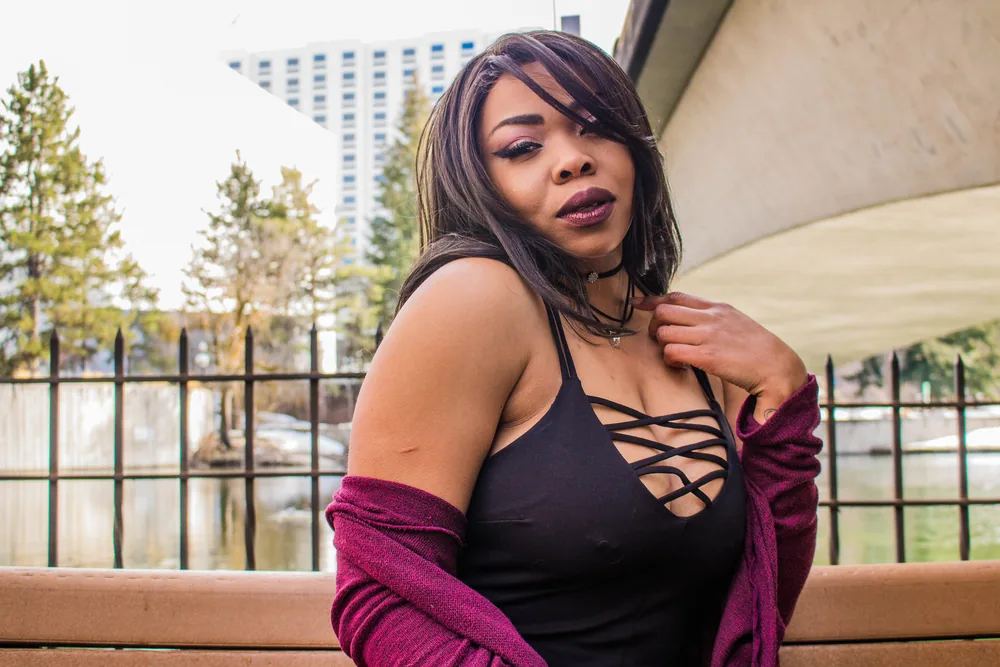
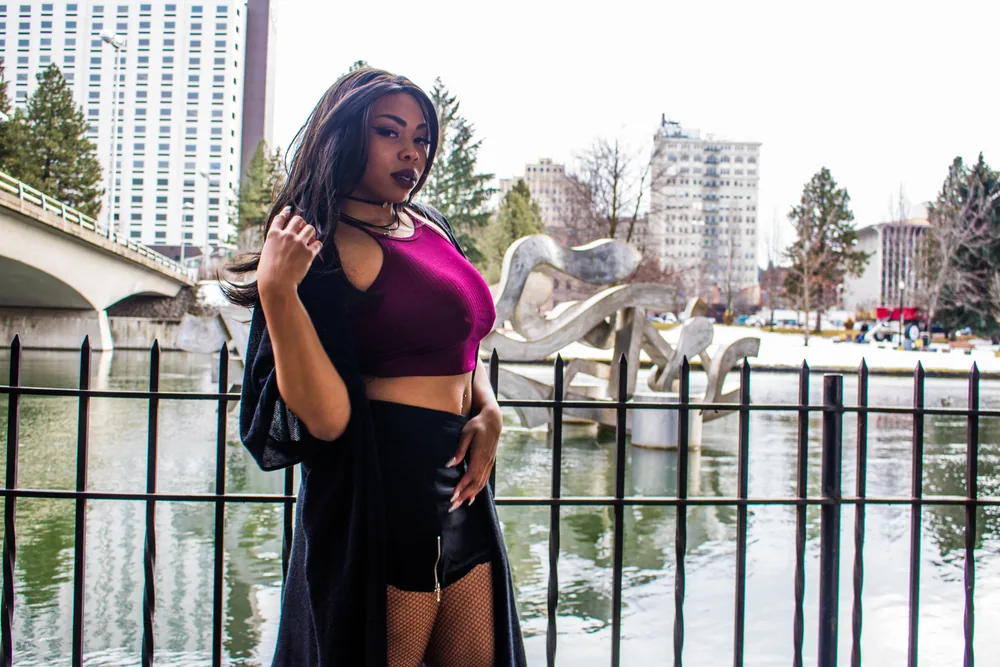
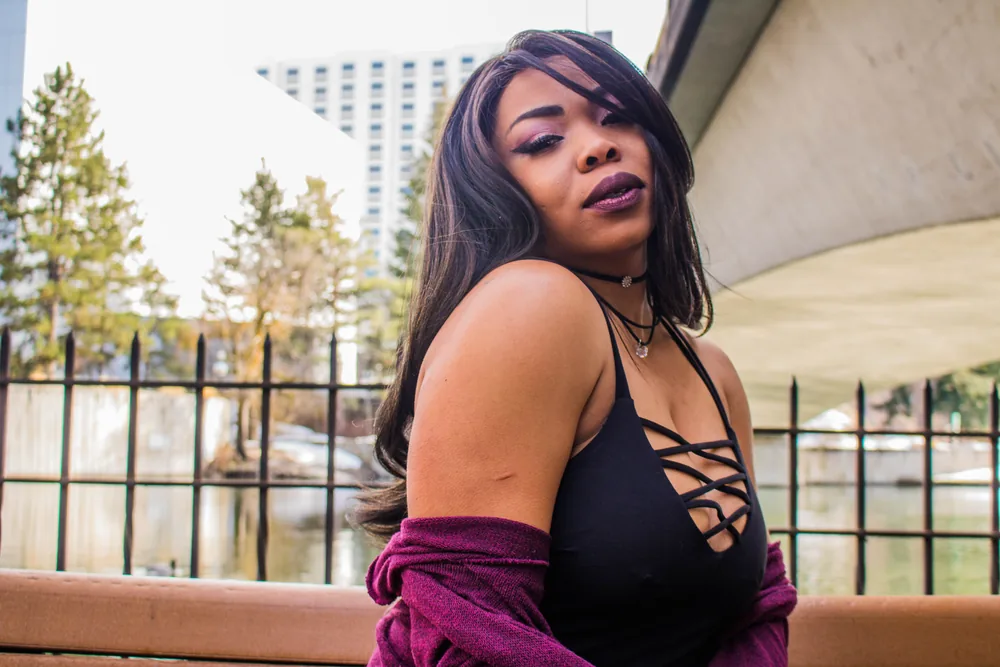
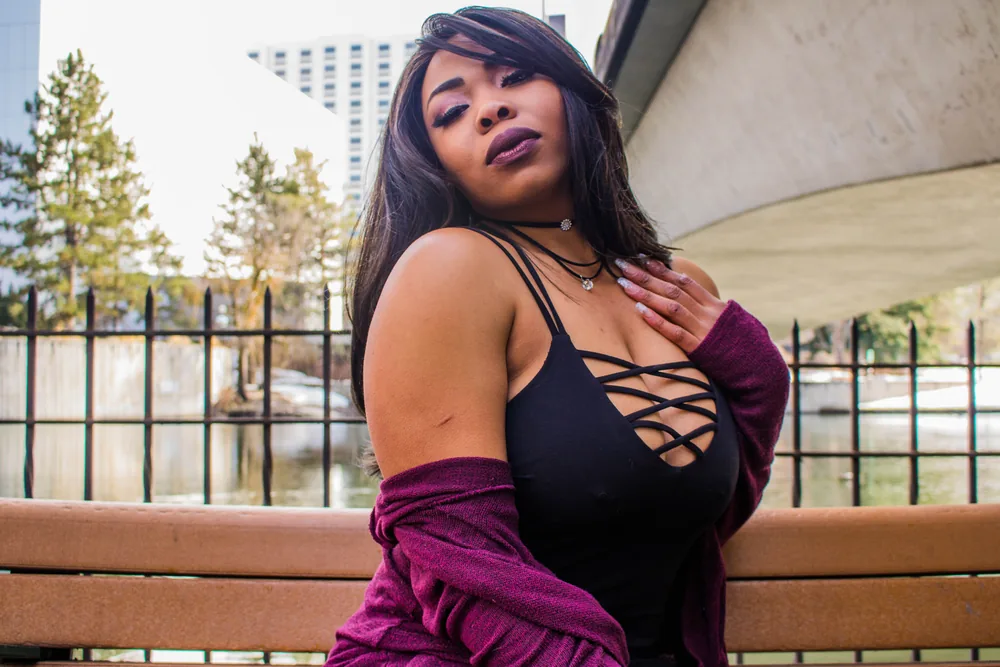
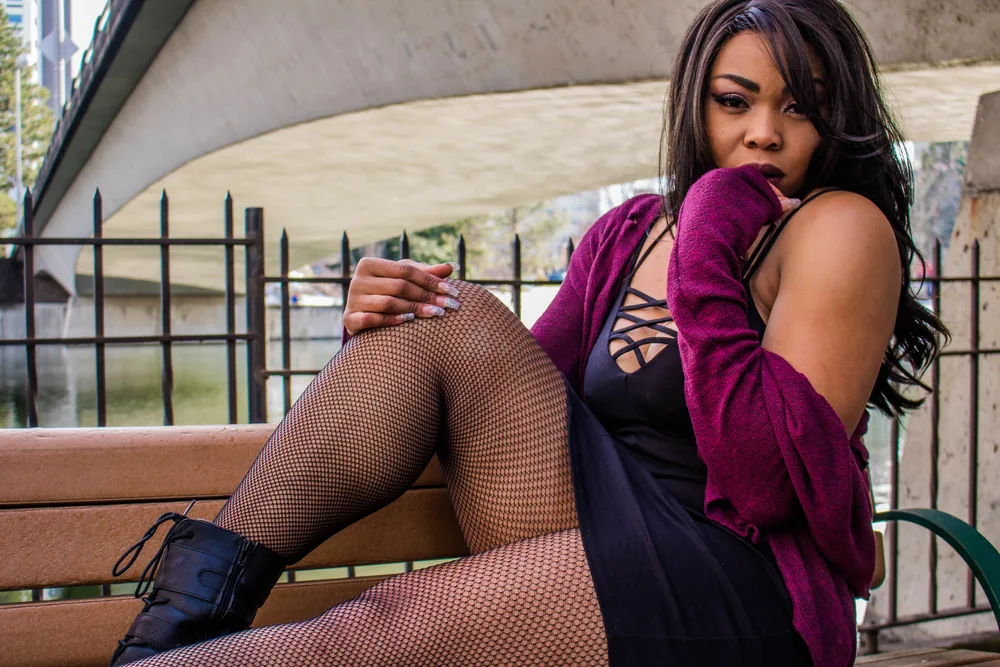
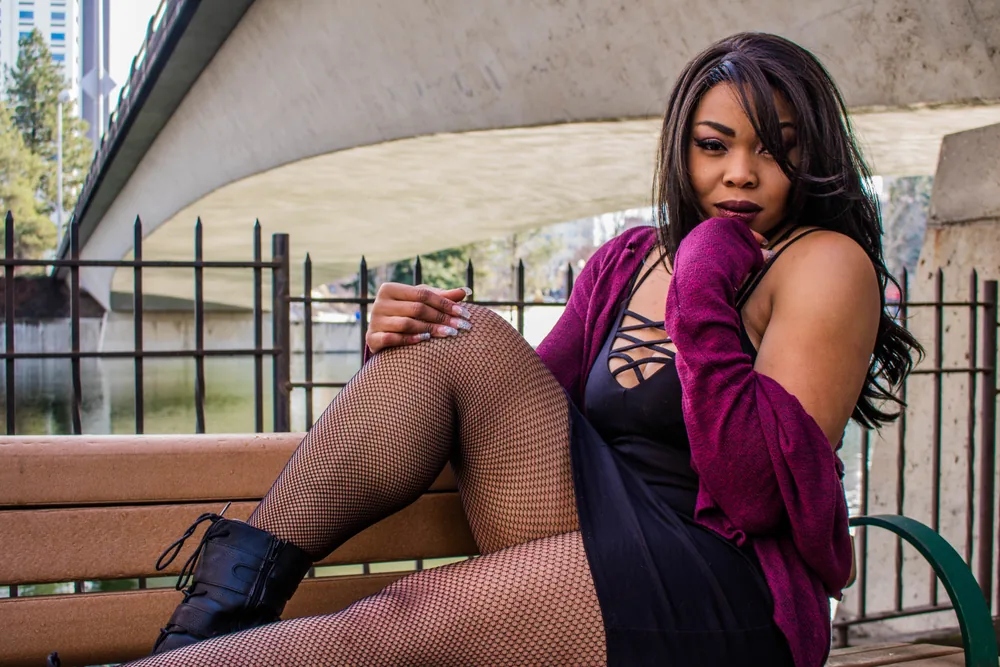
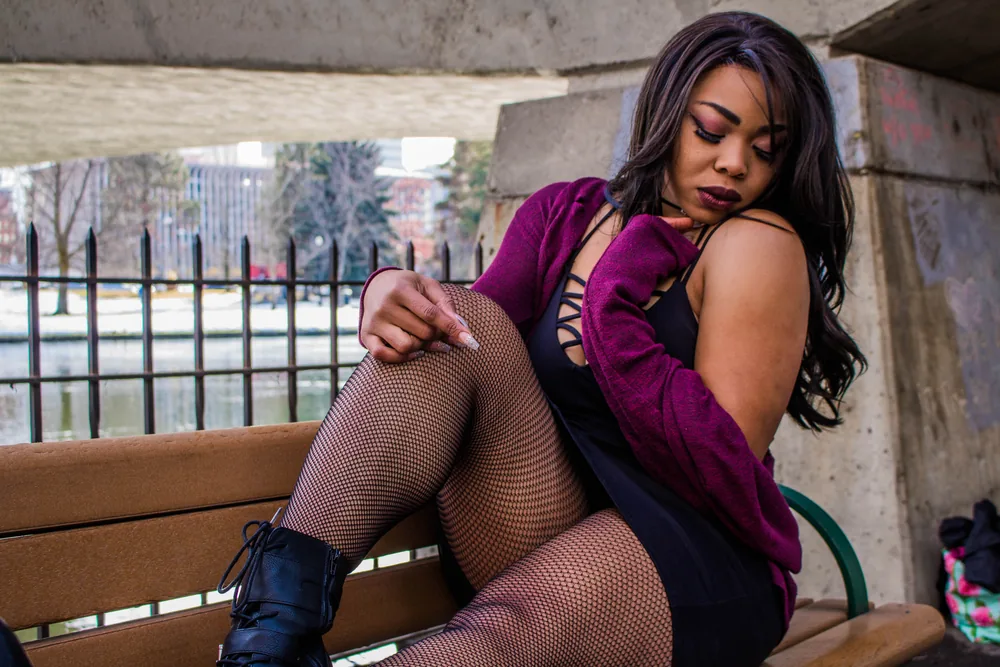
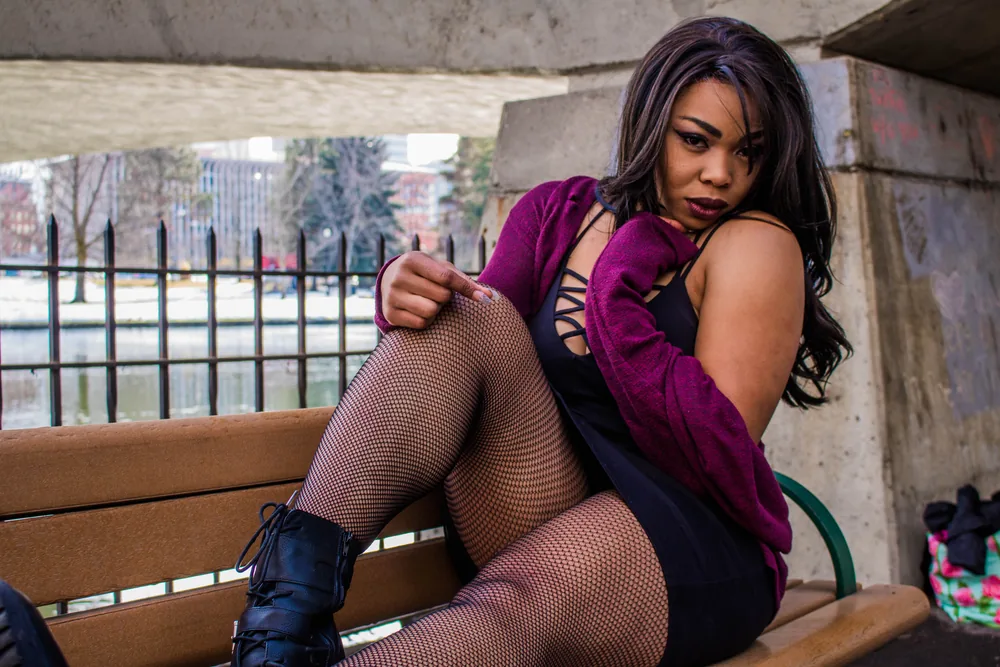
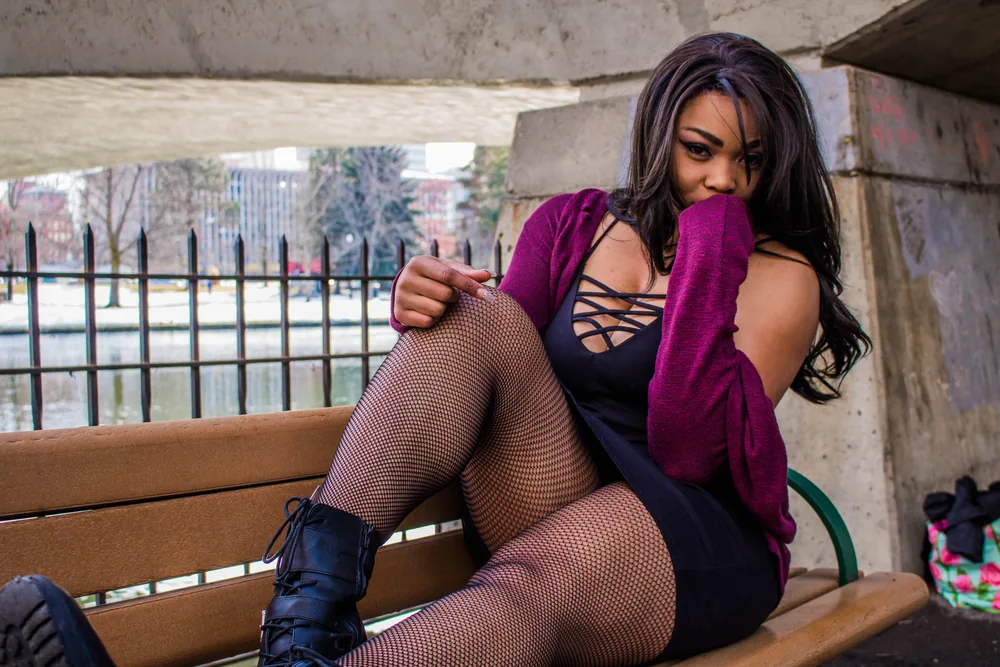
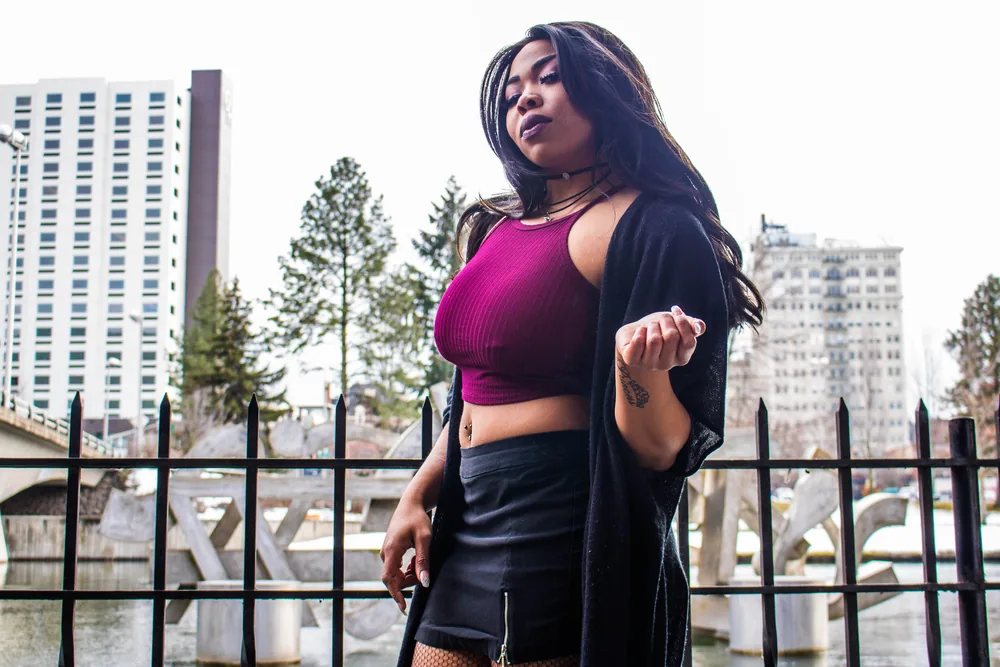
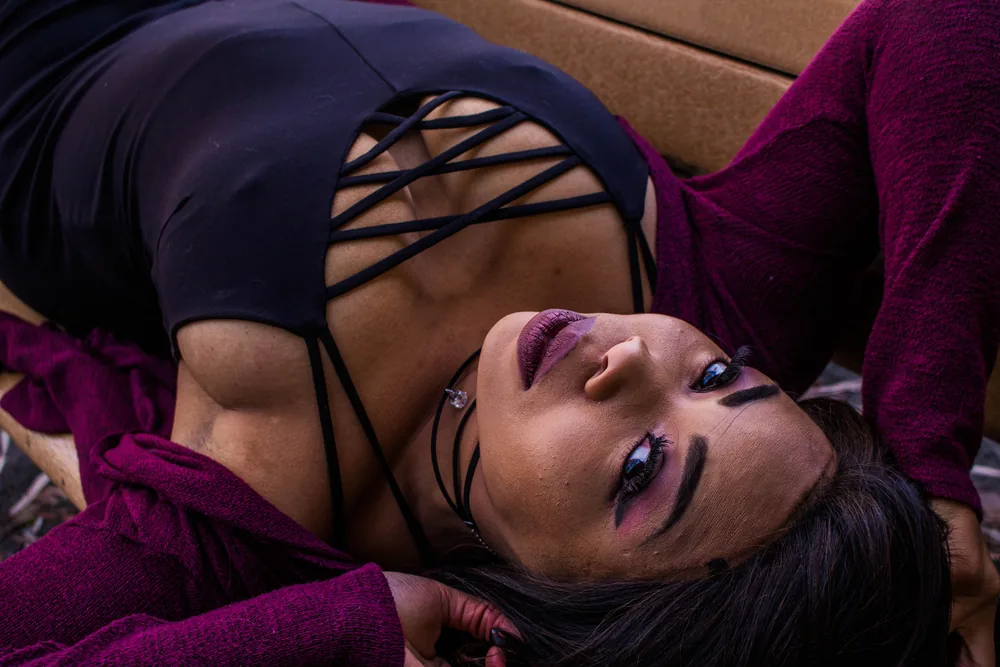
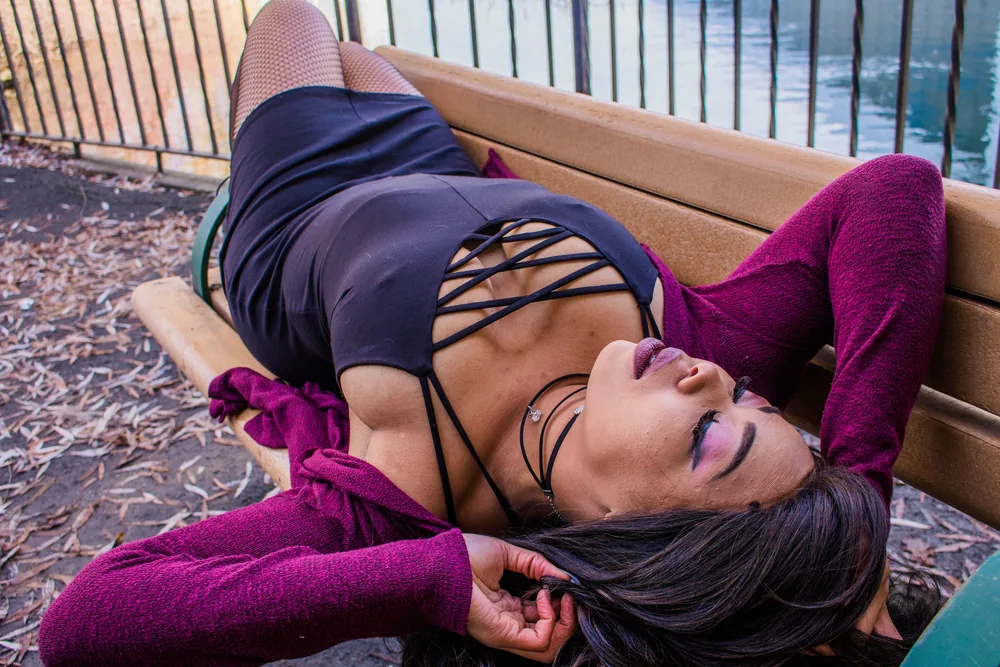
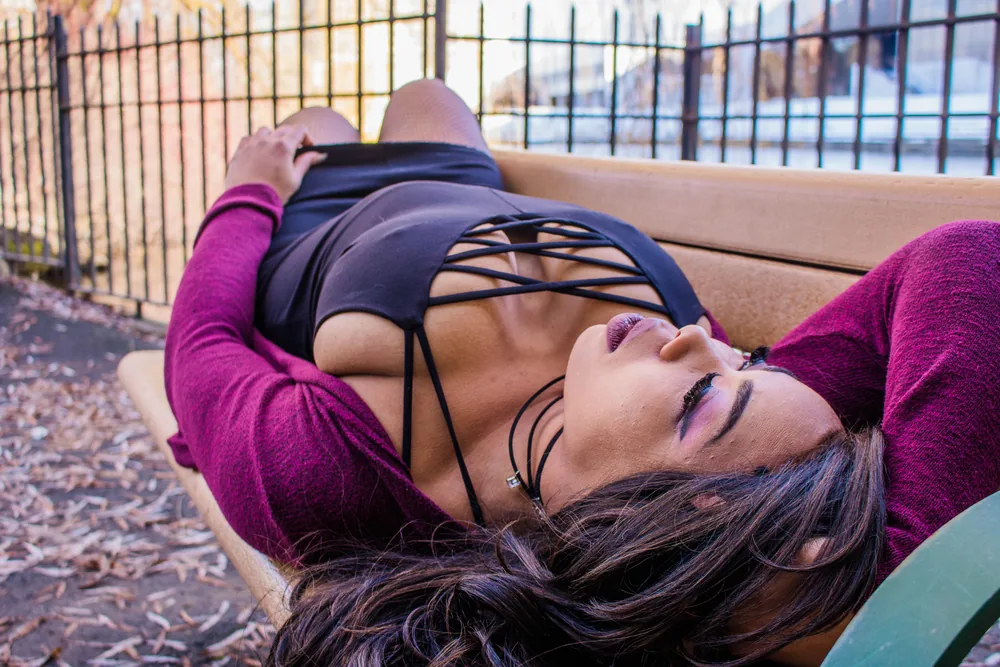
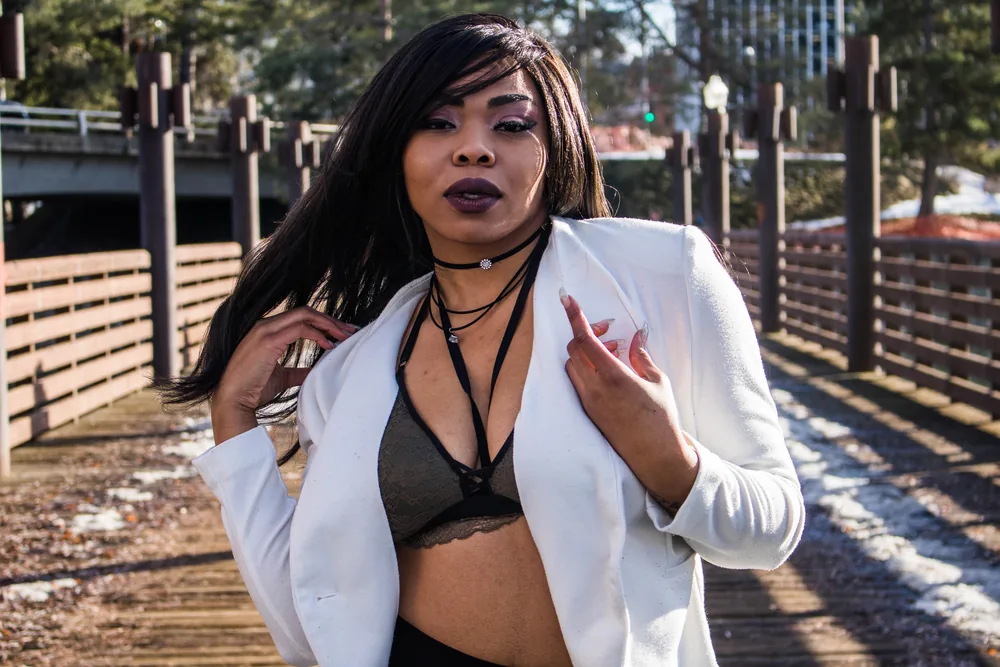
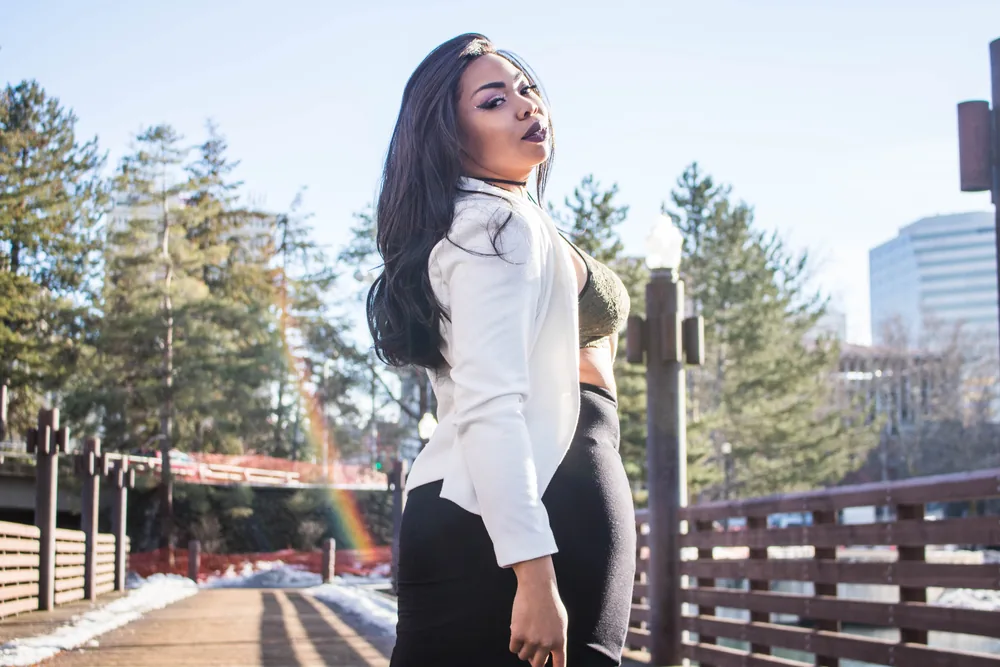
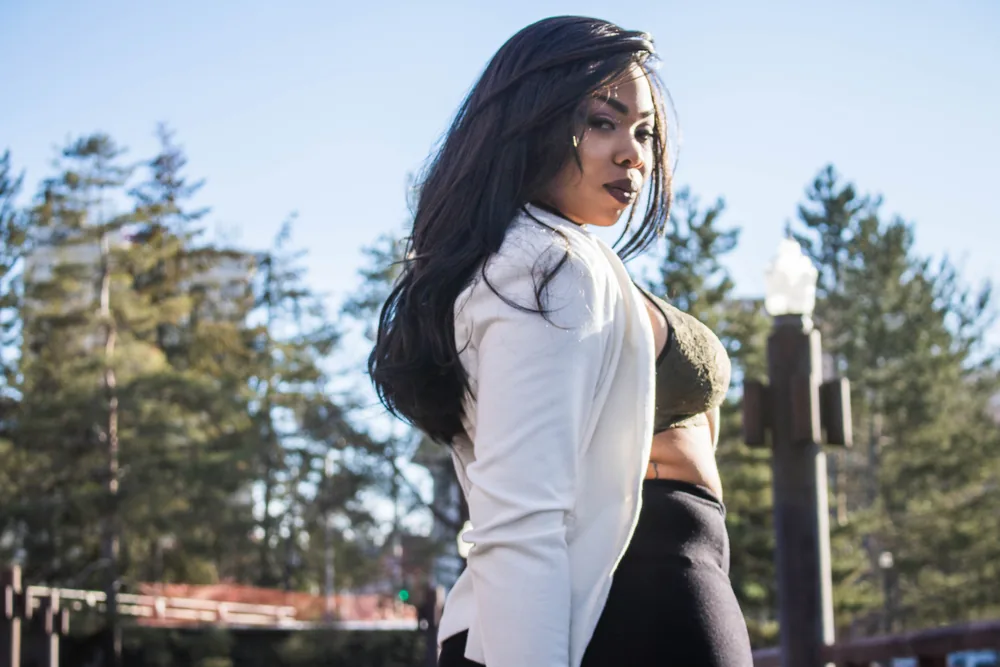
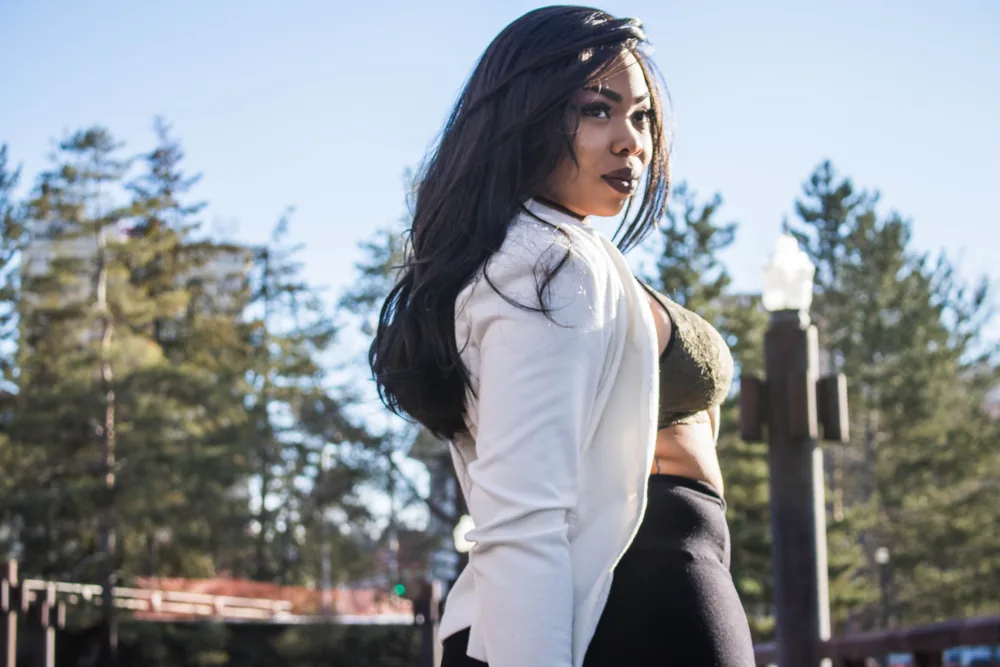
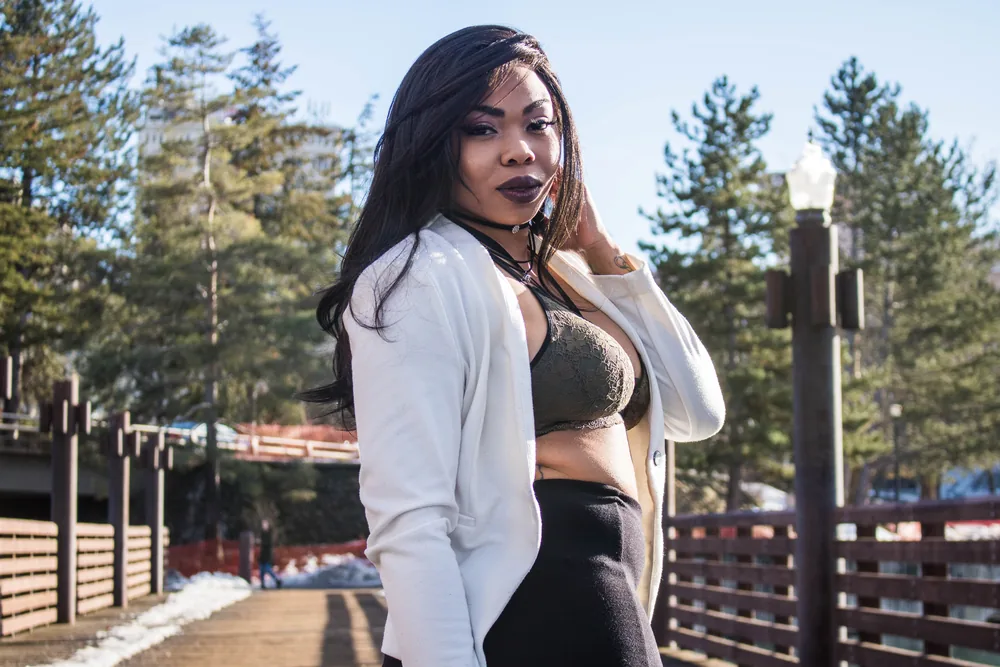
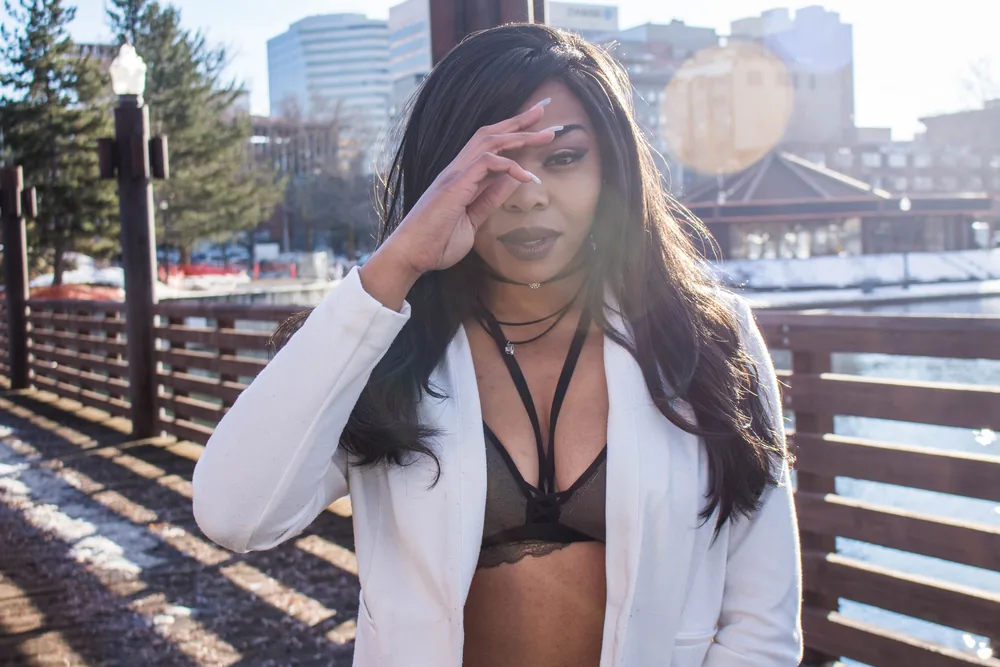
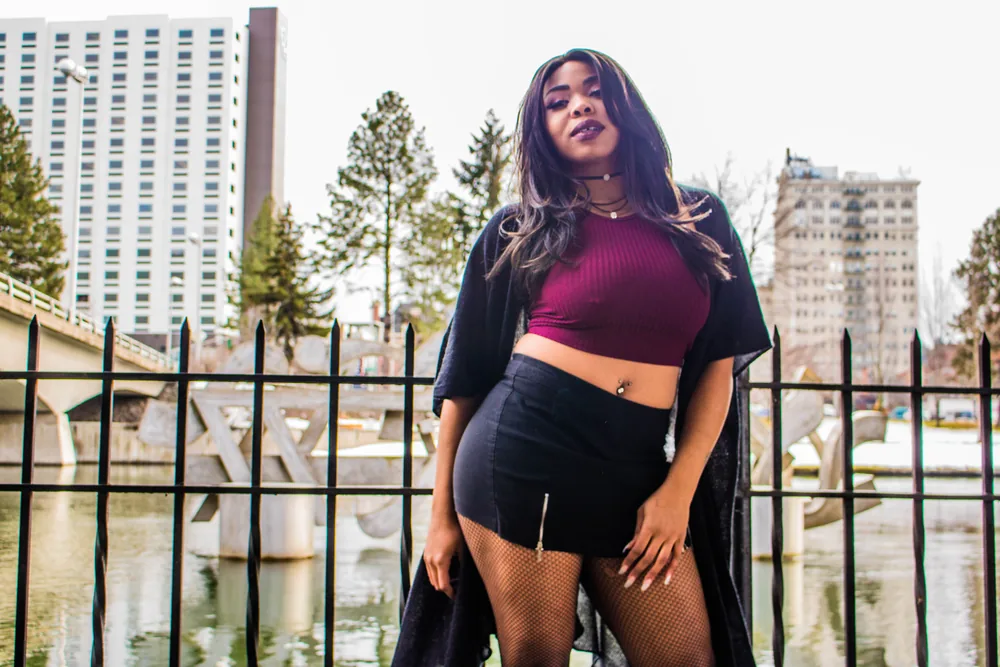
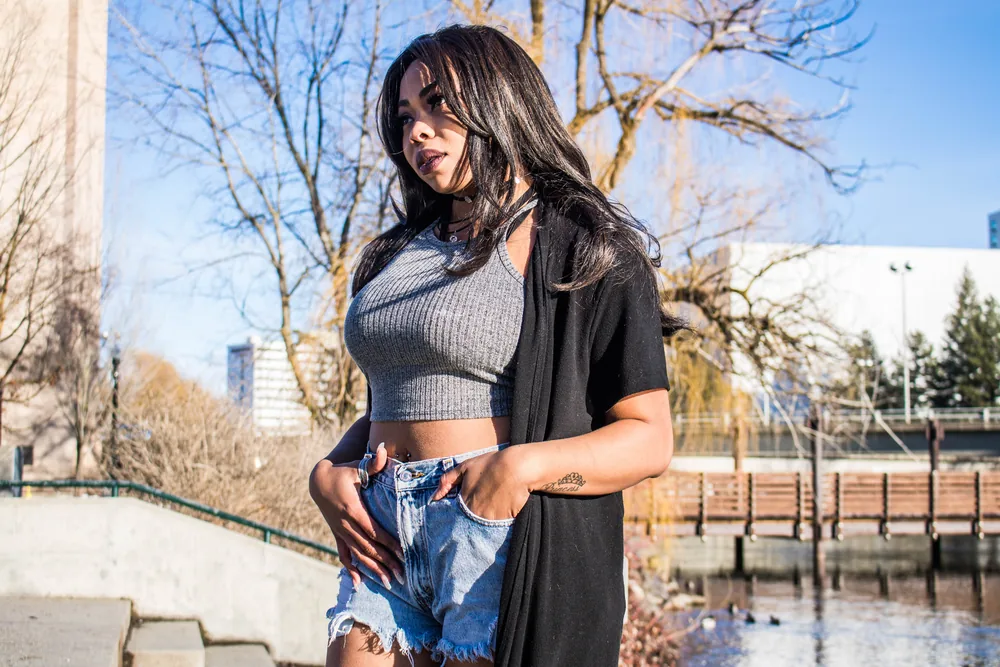
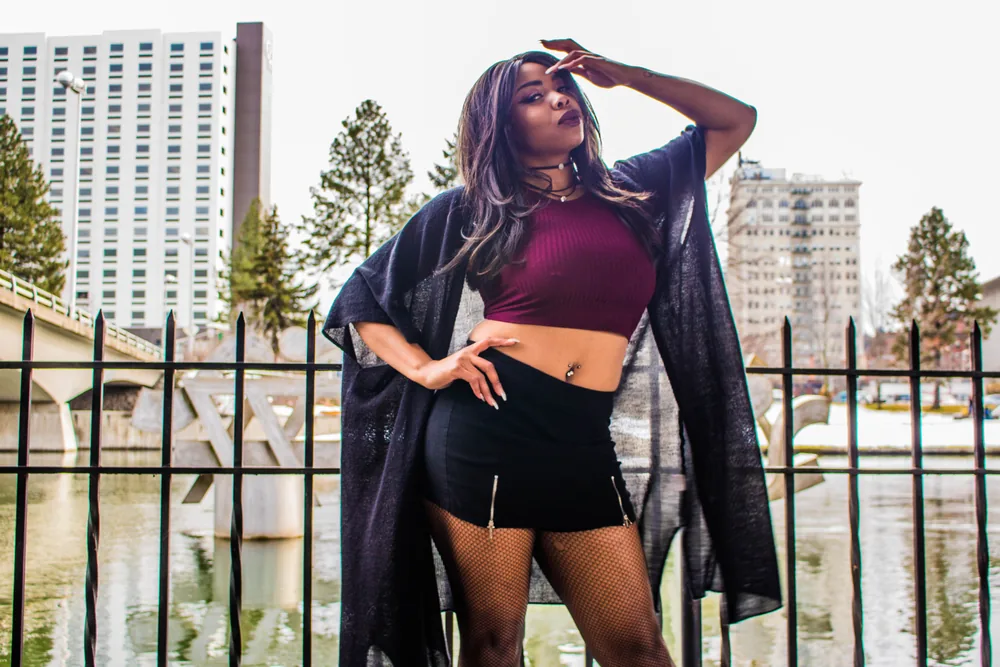
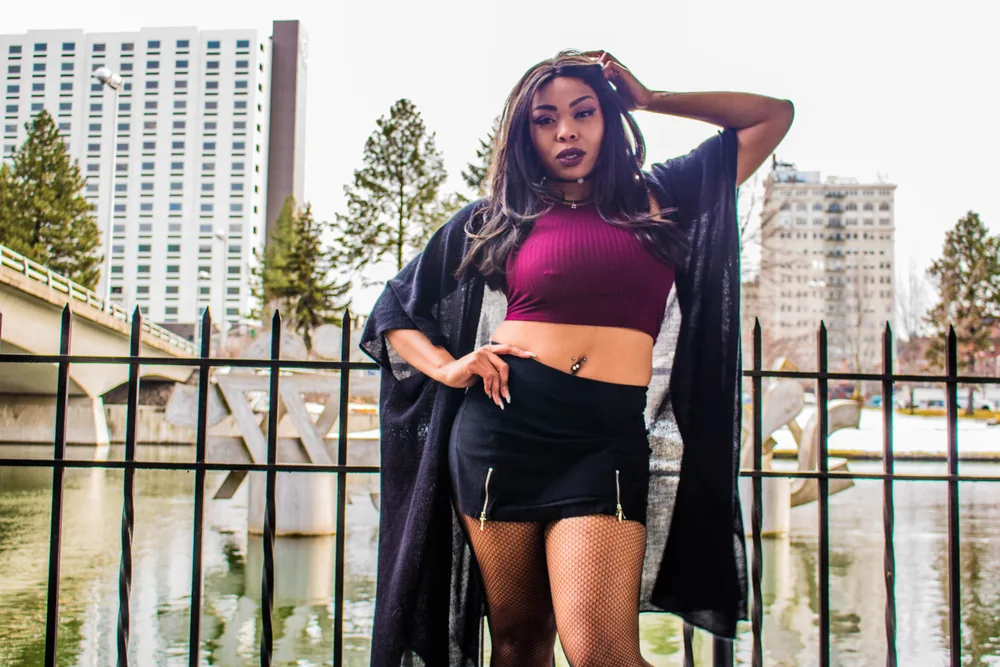
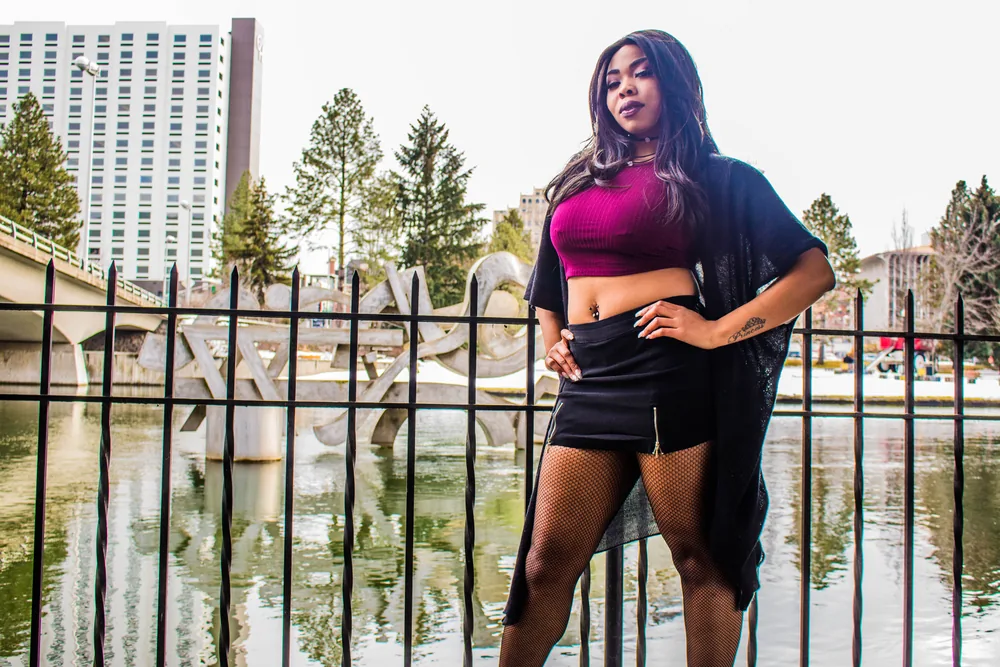
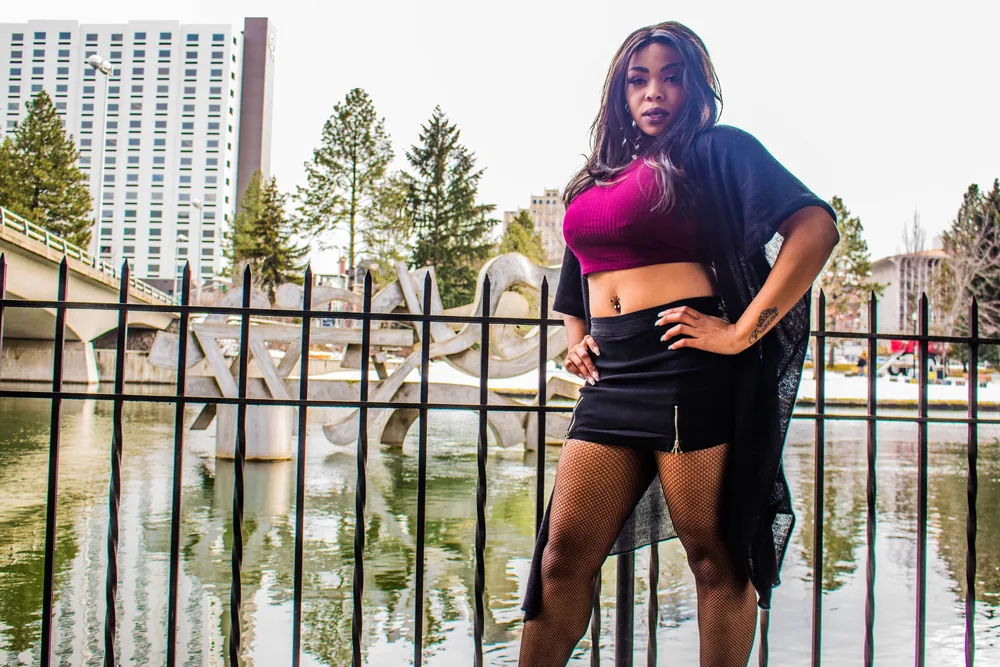
The photos landed well. Jakaria had the reaction any aspiring model wants when she first sees her work. Over 200 photos from a shoot done at no charge, enough to build a portfolio and take the next step. What followed was silence. Not because the work was wrong, but because the conversation about money came after the camera was already packed away, and by then there was nothing left to negotiate with.
The Situation
Jakaria came to me in 2017 wanting to start a modeling career. She had a clear sense of her own aesthetic, the drive to make something of it, and very little money to spend on the work that would make it real. The shoot was always going to be the beginning of something larger. She wanted the full experience, the portraits, the variety, the foundation of a proper portfolio. I went in knowing that, and I went in for free.
What Was in the Way
The core problem was structural, and I did not see it clearly enough until after the shoot was done. Jakaria was working a regular job at the time. Modeling was the ambition, not yet the income. From what I could tell, the people around her were not convinced it would go anywhere, which likely made it difficult to justify spending real money on photos. I think that same skepticism is part of why I was the only photographer willing to shoot without a guaranteed fee.
None of that is unusual. What made it costly was the sequence of events I allowed. I shot over 200 photos, delivered them, received a warm response, and then introduced my pricing for continued work. That ordering meant I had already given away my clearest demonstration of value before any commercial conversation had started. There was nothing left for her to decide to invest in. The quote for more work was not a natural next step in a relationship; it was a cold ask after the obvious ask had already been met for free.
The locations were a constraint too. We were working without a budget, which limited where we could shoot and compressed the timeline to just a few weeks. The images we made were usable, but they were not everything the project could have been with even modest resources behind it. That gap between what was delivered and what was possible sat with me afterward.
The deeper cost was not the unpaid time. It was that I had the skill to genuinely help her build something, and the way I handled the money side made sure that did not happen.
What I Did
I made the call to do the shoot for free because I believed in what she was trying to do. Her attitude and her aesthetic were clear, and I found the work genuinely interesting. That decision was not purely altruistic; I was also at a stage where I was still working out how to price myself, and saying yes was easier than holding a line.
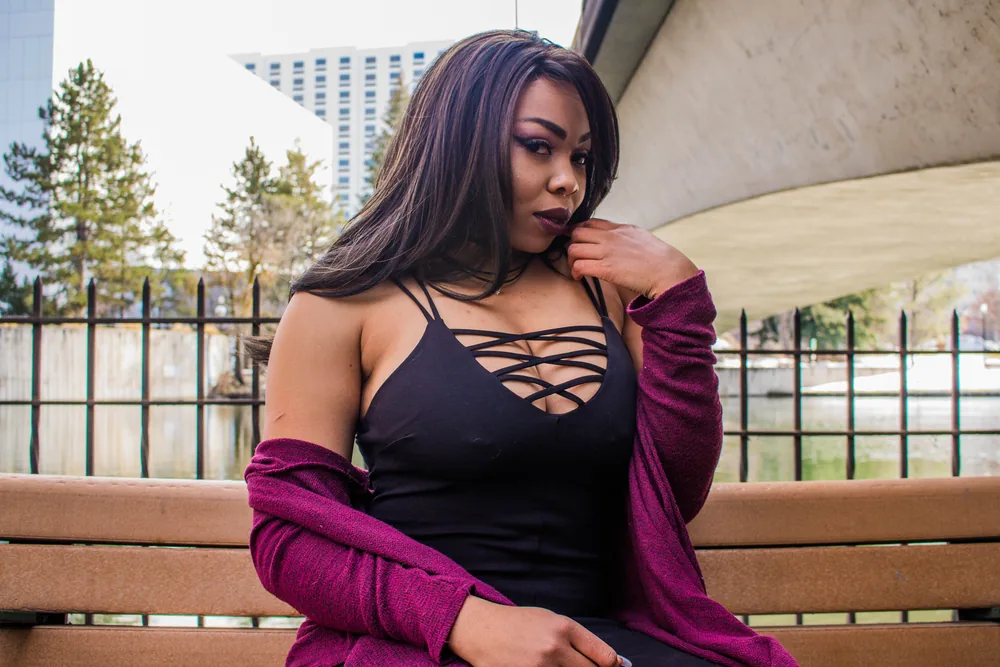
I shot on a Canon Rebel t6i and worked through more than 200 exposures across the session. The selection and delivery took the timeline out to just over a few weeks. I tried to give her something comprehensive enough that she would have real options when she went to use the images.
What I did not do was build the financial conversation into the process from the start. I introduced pricing after the work was complete, which meant the quote for continued work arrived with no context, no relationship around money, and no momentum. She could not meet my rates at the time. I held to the pricing because I had already felt the pattern of undercharging too often and spending time I was not being paid for. Both things were true at once: she genuinely could not afford it, and I genuinely needed to stop absorbing costs for clients who had no path to paying. There was no version of that conversation that was going to end well, and it did not.
What Happened
The photos were well received. Jakaria liked them. That part worked. What did not work was what came after. When I quoted for continued work, the conversation stopped. She could not pay my rates, I was not in a position to keep working for free, and that was the end of it.
The photos themselves, to my knowledge, were not used in any sustained way. That is a pattern I have seen more than once: someone wants photos, the shoot happens, and then the images sit without a plan behind them. In this case there was also no audience infrastructure to put the photos in front of, no clear next step beyond having them. The shoot gave her something to use, but the conditions for using it well were never really in place.
The relationship ended not because the work was bad, but because the financial conversation happened in the wrong order and neither of us had what the other needed once it came up.
What I Took From It
The lesson I took from this is one I have tried to carry forward: the budget conversation has to happen around the client’s actual situation, not as a surprise after the work is done. Going in free and then quoting full rates is not a sales strategy; it is a setup for the exact outcome this became.
I also recognised that wanting to help someone is not the same as having the conditions to help them. Jakaria had real potential and a genuine vision. But good intentions and a camera do not substitute for a financial structure that makes the work sustainable on both sides. I would not shoot first and price later again.
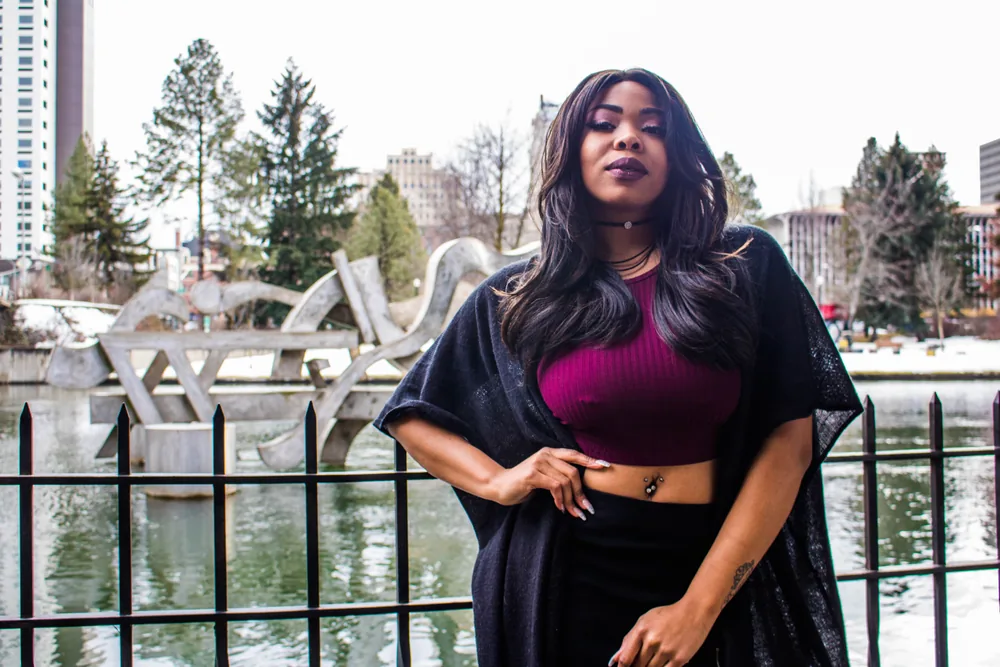
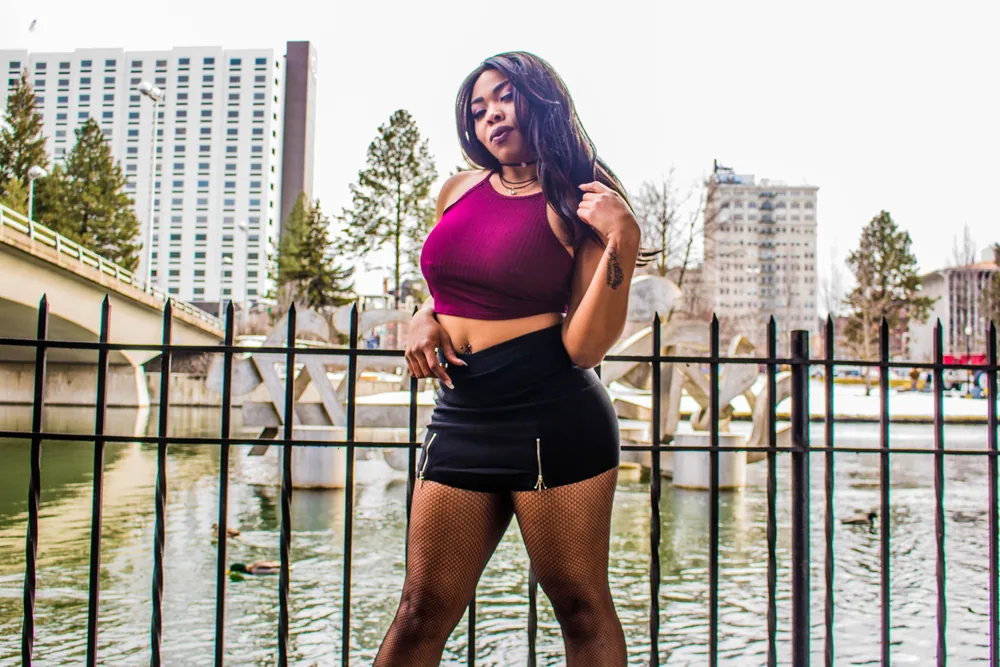
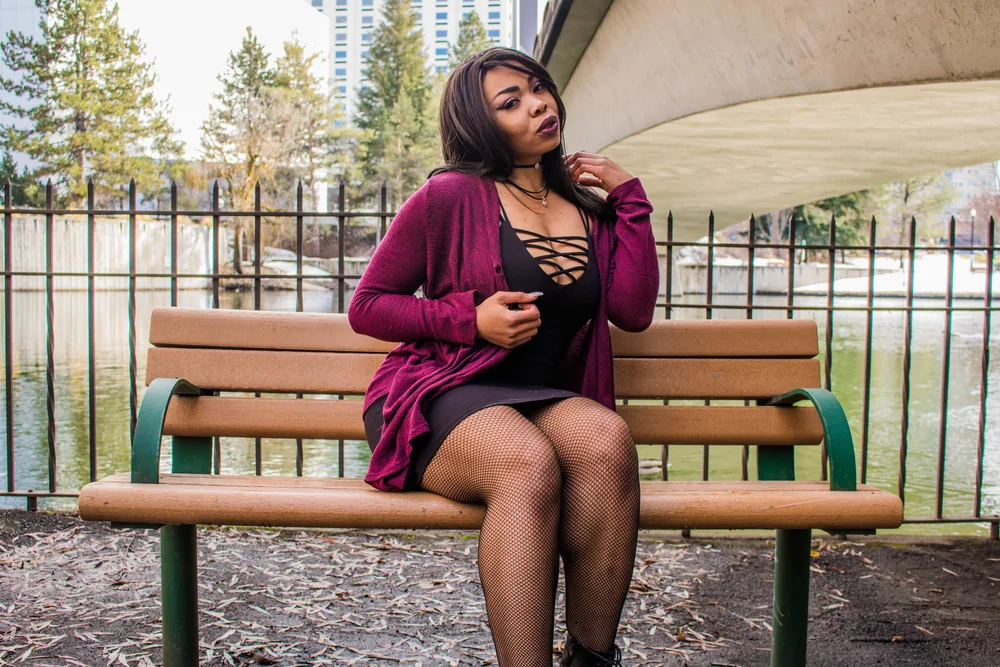
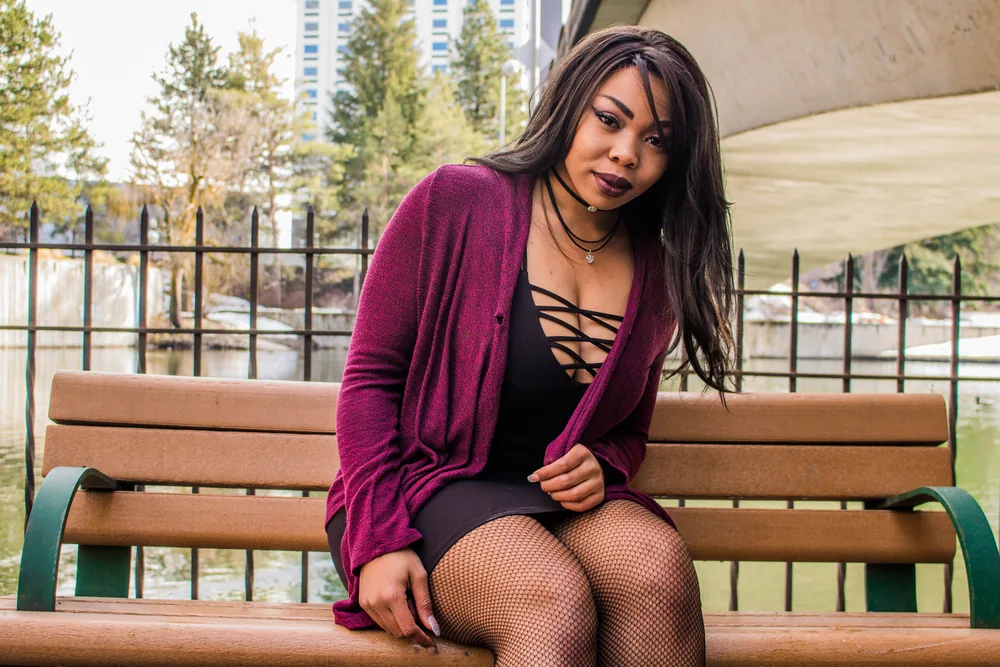
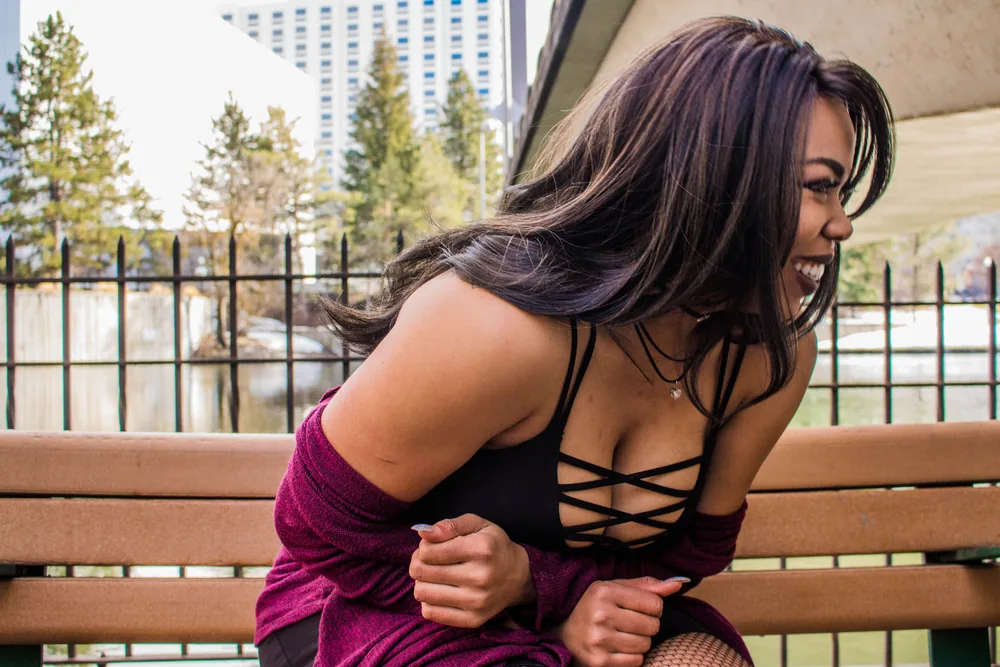
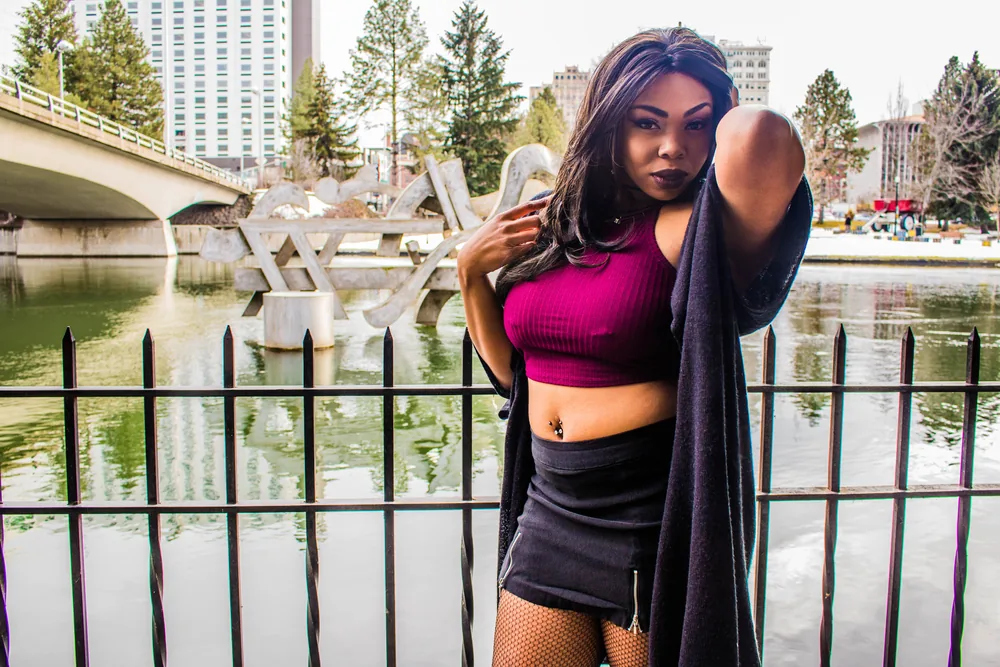
The photos landed well. The silence came after, when the pricing conversation arrived in the wrong order.
/More images 33 from this project
Creator favorite Creator favorite 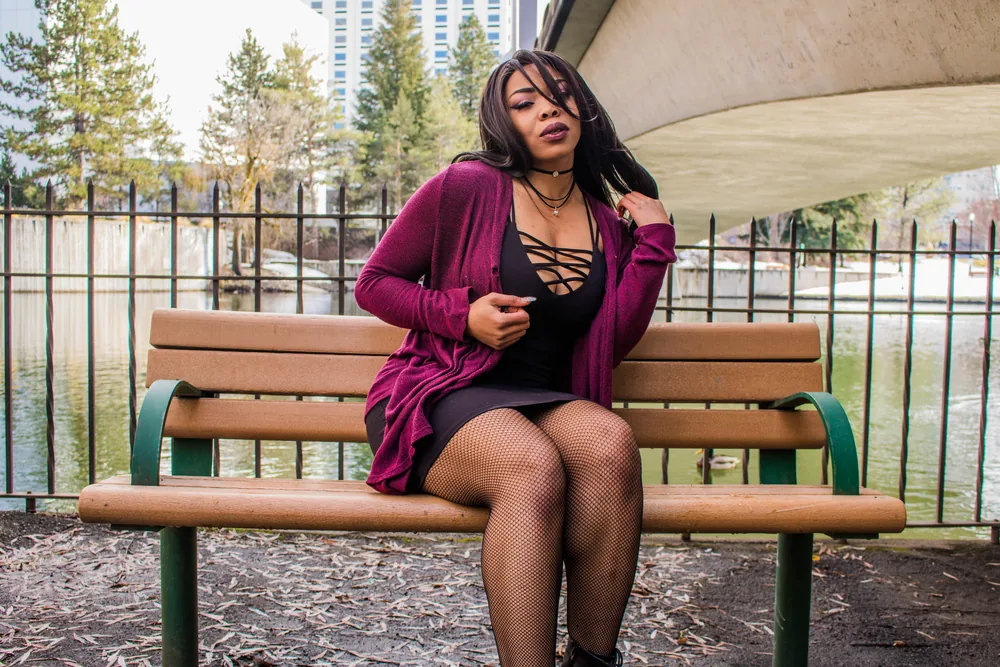
 Creator favorite Creator favorite
 Creator favorite
 Creator favorite
 Creator favorite
Adult content This image contains explicit material. I am 18 or older, show it You will be asked to confirm your age once.
Adult content This image contains explicit material. I am 18 or older, show it You will be asked to confirm your age once.
Adult content This image contains explicit material. I am 18 or older, show it You will be asked to confirm your age once.
 Creator favorite
 Creator favorite
 Creator favorite
In their words
"
/Behind the scenes
She's a beautiful model and I would genuinely love to work with her again, under different circumstances and with a clearer understanding between us from the start.
/Index
- 2017
- Photography
- Photographer
- Over 200 photos.
- Adobe Lightroom
- Canon Rebel t6i
- Photography, Portrait, Modeling, 2017, Solo shoot, Pricing